
 EN
EN
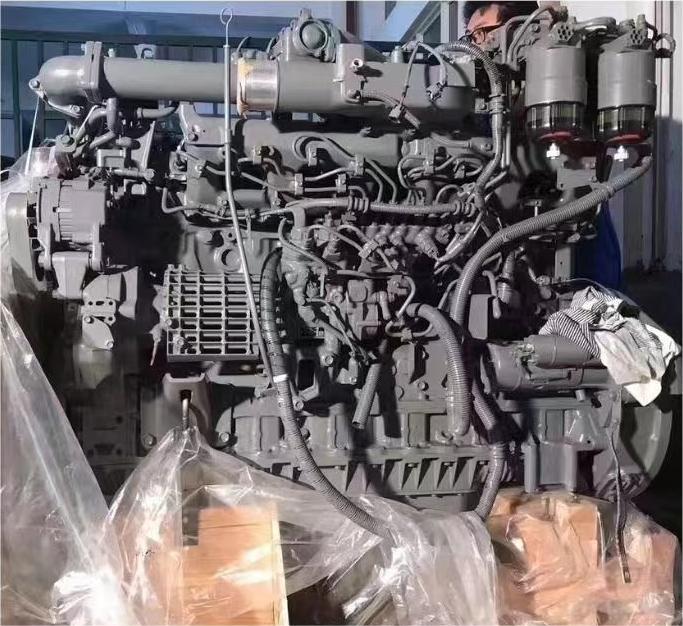
Marine diesel engines are the backbone of maritime operations, powering everything from commercial fishing vessels to luxury yachts across the world's oceans. These robust powerplants demand meticulous attention and systematic maintenance to ensure reliable performance in harsh marine environments. Proper pre-start checks serve as the first line of defense against costly breakdowns, catastrophic failures, and potential safety hazards that could leave vessels stranded at sea. Understanding and implementing comprehensive inspection protocols not only extends engine life but also protects crew safety and operational investments.
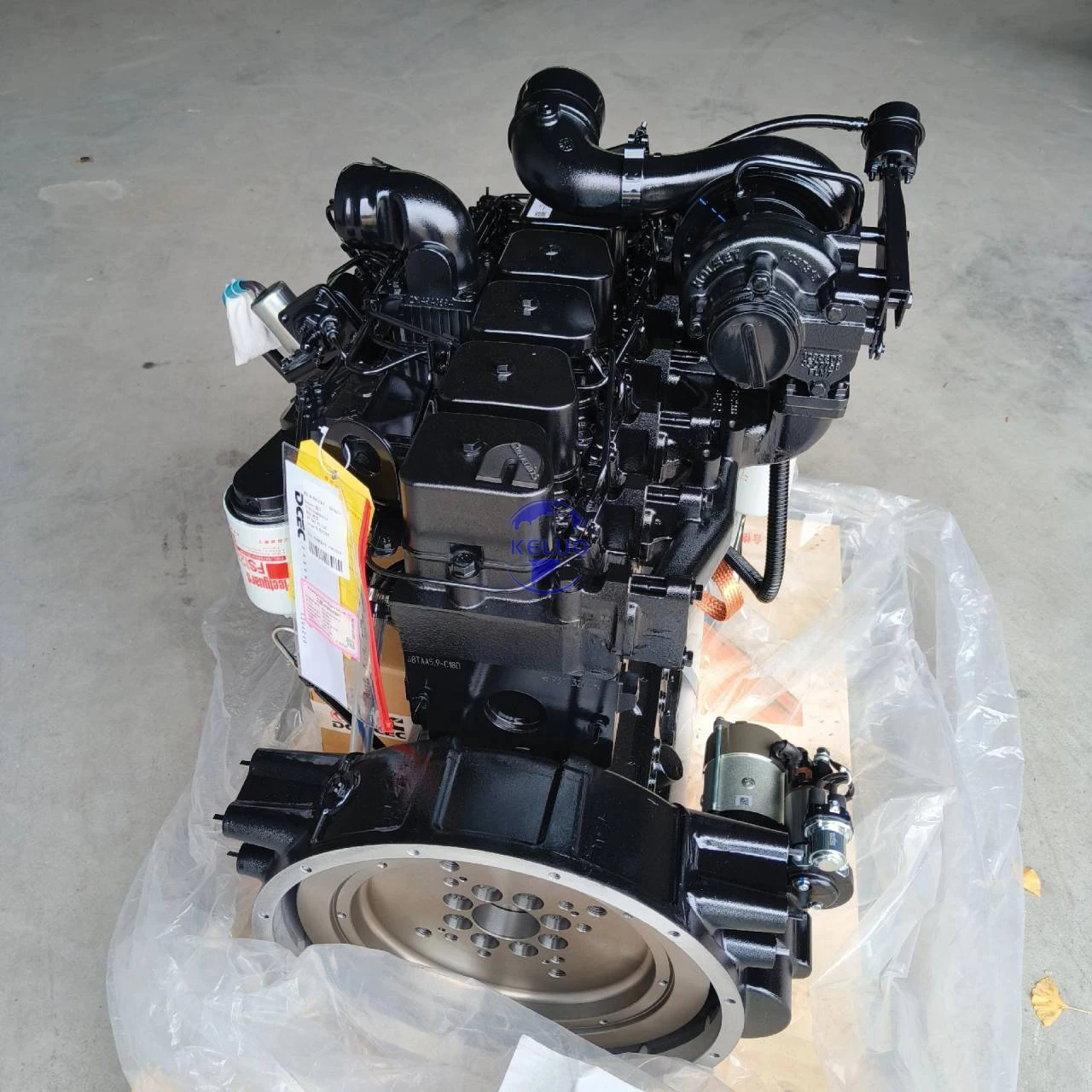
The complexity of modern marine diesel engines requires a systematic approach to pre-operational inspections. These sophisticated machines operate under extreme conditions, facing saltwater corrosion, temperature fluctuations, and constant vibration that can compromise critical components. Regular pre-start checks help identify potential issues before they escalate into major problems, saving vessel operators thousands of dollars in repair costs and preventing dangerous situations that could endanger lives and cargo.
Essential Fluid Level Inspections
Engine Oil Assessment and Quality Control
Engine oil serves as the lifeblood of any marine diesel engine, providing crucial lubrication, cooling, and cleaning functions. Before starting your marine diesel engine, always check the oil level using the dipstick, ensuring it falls between the minimum and maximum marks. Low oil levels can cause severe bearing damage, while overfilling may lead to foaming and reduced lubrication effectiveness. Examine the oil's color and consistency, looking for signs of contamination, water intrusion, or excessive metal particles that indicate internal wear.
Quality assessment involves checking for proper viscosity and detecting any unusual odors that might suggest fuel dilution or coolant leakage. Fresh marine diesel engine oil should appear amber or dark brown, while contaminated oil may look milky, indicating water contamination, or excessively black, suggesting overdue replacement. Regular oil analysis can reveal early warning signs of component wear, allowing for proactive maintenance scheduling that prevents catastrophic failures.
Cooling System Fluid Verification
The cooling system maintains optimal operating temperatures for your marine diesel engine, preventing overheating that could cause serious damage. Check coolant levels in both the expansion tank and radiator when the engine is cold, as hot coolant can cause severe burns. Inspect the coolant's condition, looking for proper color, clarity, and the absence of oil contamination or rust particles that could indicate internal problems.
Proper coolant mixture ratios are critical for marine applications, where saltwater exposure increases corrosion risks. Verify that the antifreeze concentration provides adequate protection against freezing and corrosion, typically requiring a 50-50 mixture of coolant and distilled water. Check for leaks around hoses, clamps, and connections, as even small coolant losses can lead to overheating and engine damage during extended operations.
Fuel System Inspection Protocols
Fuel Quality and Contamination Detection
Marine diesel fuel quality directly impacts engine performance, reliability, and longevity. Inspect fuel tanks for adequate levels, ensuring sufficient supply for planned operations plus reserve capacity for emergencies. Water contamination poses a significant threat to marine diesel engines, causing corrosion, microbial growth, and injection system damage. Use water detection paste or electronic sensors to check for water accumulation in tank bottoms, where it naturally settles due to density differences.
Examine fuel clarity and color, looking for signs of contamination or degradation that could affect combustion quality. Fresh marine diesel should appear clear and light-colored, while aged or contaminated fuel may appear cloudy or dark. Check fuel filters for excessive debris accumulation and replace them according to manufacturer specifications. Poor fuel quality can cause injector clogging, reduced power output, and increased emissions that may violate environmental regulations.
Fuel System Component Verification
Systematic inspection of fuel system components ensures reliable fuel delivery to your marine diesel engine. Check all fuel lines, connections, and fittings for leaks, corrosion, or damage that could compromise system integrity. Examine fuel pumps for proper operation, unusual noises, or visible wear that might indicate impending failure. Verify that fuel shut-off valves operate smoothly and seal completely when closed.
Inspect the fuel return system, ensuring proper routing and connection of return lines to prevent air entrainment or pressure loss. Check fuel heaters if equipped, verifying proper operation to prevent wax crystallization in cold weather conditions. Test fuel system pressure using appropriate gauges, confirming that pressure levels meet manufacturer specifications for optimal injection timing and fuel atomization.
Air Intake and Exhaust System Evaluation
Air Filter Condition Assessment
Clean air supply is essential for efficient combustion in marine diesel engines, making air filter inspection a critical pre-start check. Remove and visually inspect air filters for dirt accumulation, damage, or saturation that could restrict airflow. Clogged filters reduce engine power, increase fuel consumption, and may allow contaminants to enter the combustion chamber, causing accelerated wear and potential damage.
Marine environments expose air intake systems to salt spray, moisture, and various airborne contaminants that can quickly degrade filter performance. Check filter housing seals and gaskets for proper fit and condition, ensuring no unfiltered air bypasses the filtration system. Replace filters according to manufacturer recommendations or when visual inspection reveals excessive contamination, regardless of service intervals.
Exhaust System Integrity Check
The exhaust system safely removes combustion gases from your marine diesel engine while minimizing back pressure that could reduce performance. Inspect exhaust pipes, manifolds, and connections for cracks, corrosion, or loose fasteners that could cause dangerous gas leaks or performance issues. Check exhaust system mounting brackets and supports, ensuring secure attachment to prevent vibration-induced failures.
Examine the turbocharger if equipped, looking for oil leaks, unusual noises, or excessive shaft play that indicates bearing wear. Verify that waste gates and boost control systems operate properly, maintaining optimal air-fuel ratios across different operating conditions. Poor exhaust system condition can lead to reduced power output, increased emissions, and potential carbon monoxide hazards in enclosed spaces.
Electrical System and Battery Verification
Battery Condition and Charging System
Reliable electrical power is crucial for starting and operating modern marine diesel engines equipped with electronic controls and monitoring systems. Check battery voltage using a digital multimeter, ensuring levels meet manufacturer specifications for proper starting capacity. Inspect battery terminals for corrosion, loose connections, or damage that could cause starting failures or electrical system problems.
Verify battery electrolyte levels in serviceable batteries, adding distilled water as needed to maintain proper levels. Test the charging system output while the engine runs, confirming that alternator voltage remains within acceptable ranges under various load conditions. Poor battery condition or charging system problems can strand vessels and create dangerous situations where emergency systems fail to operate when needed.
Control System and Instrumentation Check
Modern marine diesel engines rely on sophisticated electronic control systems that monitor and manage engine operation. Verify that all instrumentation displays proper readings when the system powers up, including oil pressure, coolant temperature, and fuel pressure gauges. Check warning lights and alarms for proper operation, ensuring they activate during system tests and deactivate when conditions return to normal.
Test engine control systems including throttle response, shutdown systems, and safety interlocks that protect the marine diesel engine from damage. Inspect wiring harnesses for signs of chafing, corrosion, or rodent damage that could cause intermittent failures or complete system shutdown. Proper electrical system maintenance prevents costly repairs and ensures reliable operation in challenging marine environments.
Mechanical Component Inspection
Belt and Pulley System Evaluation
Drive belts transfer power from the marine diesel engine to critical accessories including alternators, water pumps, and air conditioning compressors. Inspect all belts for proper tension, looking for signs of cracking, fraying, or glazing that indicates wear or misalignment. Use a belt tension gauge or follow manufacturer specifications for proper adjustment, as loose belts can slip under load while overtightened belts may cause bearing damage.
Examine pulleys for wear, damage, or misalignment that could cause premature belt failure or vibration problems. Check pulley grooves for wear patterns, scoring, or debris accumulation that might affect belt tracking. Replace worn belts proactively rather than waiting for failure, as belt breakage during operation can disable critical systems and potentially cause engine damage or safety hazards.
Hose and Connection Integrity
Rubber hoses and flexible connections face constant stress from pressure, temperature changes, and engine vibration in marine applications. Systematically inspect all hoses including fuel lines, coolant hoses, air intake ducts, and hydraulic lines for signs of cracking, swelling, or deterioration. Check hose clamps for proper tightness and corrosion resistance, ensuring secure connections that won't fail under pressure or vibration.
Pay special attention to hoses near heat sources or sharp edges where accelerated wear might occur. Replace any questionable hoses before they fail, as hose ruptures can cause rapid fluid loss, engine damage, or fire hazards. Marine environments accelerate hose degradation due to salt exposure, UV radiation, and temperature extremes that break down rubber compounds over time.
Safety Systems and Emergency Procedures
Fire Suppression System Readiness
Marine diesel engine compartments present significant fire risks due to fuel vapors, hot surfaces, and electrical systems. Verify that fire suppression systems are charged and ready for immediate activation, checking pressure gauges on fixed suppression systems and ensuring portable extinguishers meet inspection requirements. Test fire detection systems including smoke detectors, heat sensors, and manual alarm stations for proper operation.
Inspect fire suppression system discharge nozzles and piping for obstructions or corrosion that could prevent proper agent distribution. Ensure that engine shutdown procedures can be executed quickly in emergency situations, including fuel shutoffs, electrical disconnects, and ventilation system controls. Regular fire system maintenance protects lives, vessels, and cargo from devastating fires that can spread rapidly in marine environments.
Emergency Shutdown Systems
Reliable emergency shutdown capability protects marine diesel engines from catastrophic damage during abnormal operating conditions. Test all shutdown systems including overspeed protection, low oil pressure switches, and high coolant temperature alarms to ensure proper operation. Verify that manual shutdown controls are easily accessible and clearly marked for crew members who may need to stop the engine quickly during emergencies.
Check backup shutdown methods including manual fuel shutoffs and air intake shutters that can stop runaway engines even if primary controls fail. Ensure that shutdown systems reset properly after activation and don't prevent normal engine restart once problems are resolved. Effective emergency systems prevent minor problems from becoming major disasters that could sink vessels or endanger lives.
Environmental and Compliance Considerations
Emission Control System Verification
Modern marine diesel engines must comply with increasingly strict emission regulations that limit pollution from commercial and recreational vessels. Check emission control systems including diesel particulate filters, selective catalytic reduction systems, and exhaust gas recirculation valves for proper operation. Verify that diesel exhaust fluid levels are adequate for SCR-equipped engines, as low fluid levels can trigger engine derating or shutdown.
Monitor emission control system warning lights and diagnostic codes that indicate system malfunctions requiring attention. Clean or replace particulate filters according to manufacturer schedules, as clogged filters can cause back pressure that reduces power and increases fuel consumption. Proper emission system maintenance ensures regulatory compliance and avoids costly fines or vessel detention by authorities.
Waste Management System Operations
Marine vessels must properly manage waste products including used oil, coolant, and fuel to prevent environmental contamination. Verify that waste storage containers are properly labeled, secured, and within capacity limits for safe handling and disposal. Check bilge water systems for proper operation, ensuring that oil-water separators function correctly to prevent illegal discharge of contaminated water.
Inspect waste transfer systems including pumps, hoses, and connections used for shore-based disposal or treatment. Maintain accurate records of waste generation and disposal activities as required by environmental regulations. Proper waste management protects marine ecosystems and avoids severe penalties for illegal discharge that can result in fines, vessel seizure, and criminal prosecution.
FAQ
How often should pre-start checks be performed on marine diesel engines
Pre-start checks should be performed before every engine startup, regardless of how recently the previous inspection was completed. Daily inspections are essential for commercial vessels operating continuously, while recreational boats should undergo thorough checks before each voyage. Critical systems like oil levels, coolant levels, and fuel quality require verification every time to prevent catastrophic failures that could endanger the vessel and crew.
What are the most common causes of marine diesel engine failures that pre-start checks can prevent
The most preventable failures include bearing damage from low oil levels, overheating from coolant system problems, fuel system contamination from water or debris, and electrical failures from corroded connections. These issues often develop gradually and can be detected during systematic pre-start inspections, allowing for corrective action before expensive repairs become necessary. Regular checks also identify worn components that should be replaced during scheduled maintenance rather than emergency repairs.
Can abbreviated pre-start checks be used for short trips or frequent engine starts
While abbreviated checks may seem practical for short trips, marine environments present unique hazards that make comprehensive inspections essential every time. Engine problems can develop rapidly at sea where assistance may be unavailable for hours or days. A complete pre-start check typically requires only 15-30 minutes but can prevent situations that strand vessels far from help. Critical items like oil level, coolant level, and fuel quality should never be skipped regardless of trip duration.
What tools and equipment are necessary for performing proper pre-start checks
Essential tools include digital multimeters for electrical testing, belt tension gauges for drive belt adjustment, water detection paste for fuel tank inspection, and basic hand tools for tightening connections. Quality flashlights or headlamps are crucial for inspecting dark engine compartments, while clean rags and disposable gloves protect hands and prevent contamination. Many checks require only visual inspection, but having proper tools ensures accurate assessment of critical systems that protect expensive marine diesel engine investments.
Table of Contents
- Essential Fluid Level Inspections
- Fuel System Inspection Protocols
- Air Intake and Exhaust System Evaluation
- Electrical System and Battery Verification
- Mechanical Component Inspection
- Safety Systems and Emergency Procedures
- Environmental and Compliance Considerations
-
FAQ
- How often should pre-start checks be performed on marine diesel engines
- What are the most common causes of marine diesel engine failures that pre-start checks can prevent
- Can abbreviated pre-start checks be used for short trips or frequent engine starts
- What tools and equipment are necessary for performing proper pre-start checks