
 EN
EN
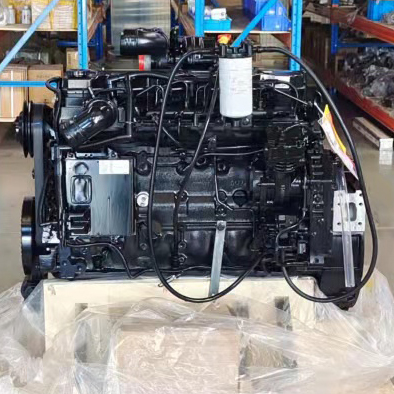
Marine propulsion systems represent one of the most critical aspects of vessel performance, directly influencing fuel consumption, operational efficiency, and engine longevity. Among the various factors affecting marine engine optimization, propeller matching stands out as a fundamental consideration that can make or break a vessel's operational success. Understanding the intricate relationship between engine characteristics and propeller specifications enables marine engineers and vessel operators to achieve optimal performance while safeguarding expensive engine investments.
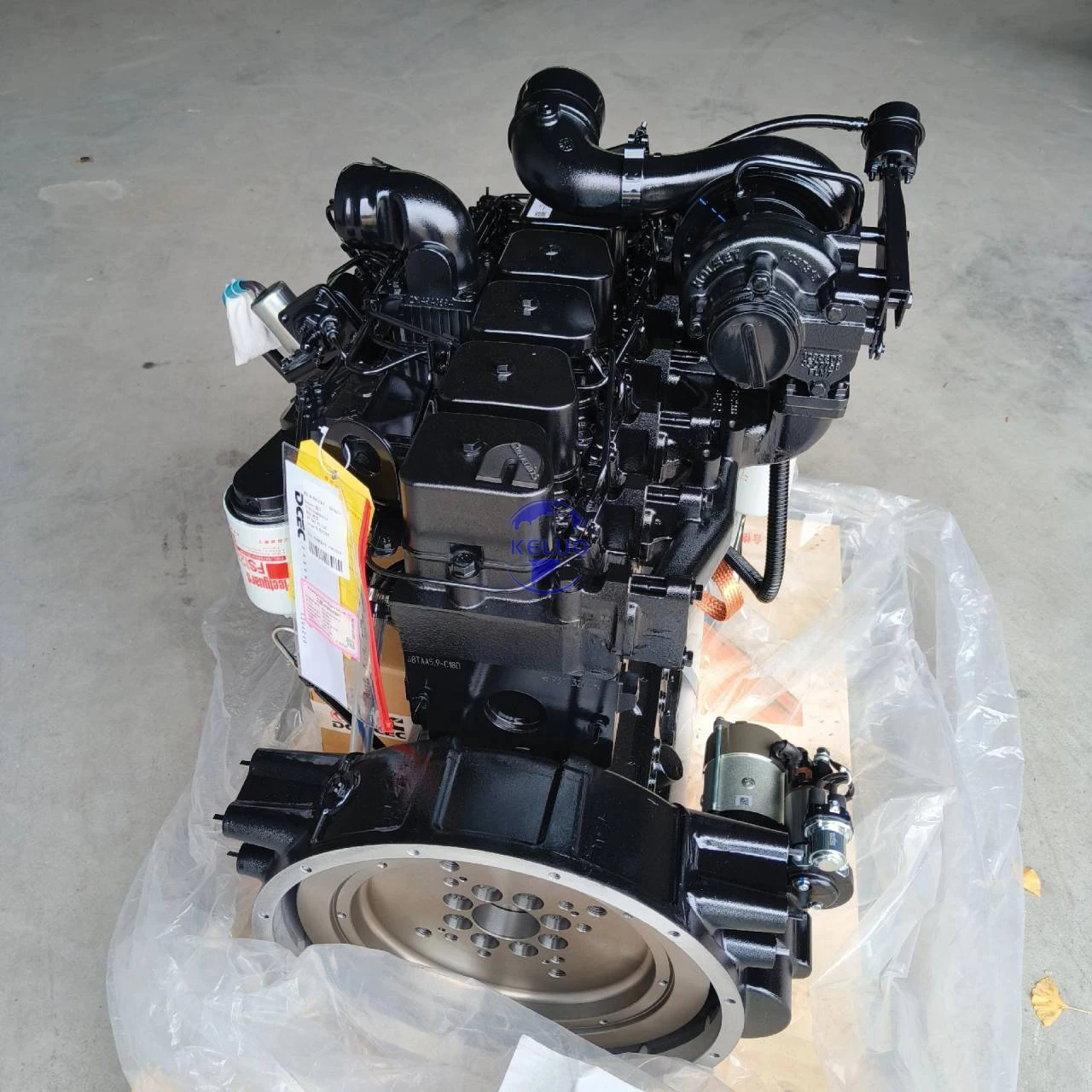
The complexity of marine propulsion systems requires careful consideration of multiple variables that interact dynamically during vessel operation. Effective propeller matching involves analyzing engine power curves, torque characteristics, and operational parameters to select the most suitable propeller design and specifications. This process ensures that the engine operates within its optimal performance envelope while delivering maximum thrust efficiency across various operating conditions.
Modern marine engines, particularly diesel powerplants used in commercial and recreational applications, demand precise propeller matching to achieve their designed performance parameters. When propeller specifications align correctly with engine characteristics, vessels experience improved fuel economy, reduced maintenance requirements, and enhanced operational reliability. Conversely, improper propeller matching can lead to engine overloading, excessive vibration, and premature component wear that significantly increases operational costs.
Understanding Marine Engine Power Characteristics
Engine Power Curves and Operating Ranges
Marine engines exhibit specific power and torque characteristics that vary significantly across their operating range. These power curves define the relationship between engine speed, torque output, and fuel consumption under different loading conditions. Understanding these characteristics is essential for effective propeller matching, as the propeller must be sized to allow the engine to operate within its optimal power band during normal cruise conditions.
The engine's maximum continuous rating represents the highest power level at which it can operate continuously without exceeding design limits. However, optimal efficiency typically occurs at lower power settings, usually between 75-85% of maximum rated power. Proper propeller matching ensures that the engine reaches this efficiency sweet spot during normal cruising operations, maximizing fuel economy while maintaining adequate performance reserves for challenging conditions.
Engine manufacturers provide detailed performance data including power curves, fuel consumption maps, and operating envelope specifications. This information serves as the foundation for propeller selection calculations, enabling engineers to match propeller load characteristics with engine capabilities. Advanced propeller matching techniques consider not only maximum power but also torque rise characteristics, which affect engine response and acceleration performance.
Torque Characteristics and Load Matching
Torque delivery patterns significantly influence propeller matching decisions, as different engine types exhibit varying torque characteristics across their operating ranges. Diesel engines typically provide high torque at low speeds, making them well-suited for propeller-driven applications where consistent thrust is required across varying conditions. Understanding these torque patterns enables optimal propeller pitch and diameter selection that complements the engine's natural characteristics.
Load matching involves ensuring that the propeller's absorption characteristics align with the engine's torque delivery capabilities. A properly matched propeller will absorb engine power smoothly across the operating range without causing excessive loading at low speeds or insufficient loading at high speeds. This balance is crucial for maintaining engine health and achieving optimal fuel efficiency throughout the vessel's operational profile.
Modern marine engines often incorporate electronic controls that can adapt to varying load conditions, but proper propeller matching remains essential for maximizing these systems' effectiveness. The interaction between engine management systems and propeller characteristics determines overall system efficiency, emphasizing the importance of considering both components as an integrated propulsion unit rather than separate elements.
Propeller Design Fundamentals and Selection Criteria
Diameter and Pitch Relationships
Propeller diameter and pitch represent the two most critical dimensional parameters affecting propulsion performance and engine loading. Diameter primarily influences the propeller's ability to generate thrust at lower speeds, while pitch determines the theoretical advance per revolution and affects engine loading characteristics. The relationship between these parameters must be carefully balanced to achieve optimal propeller matching for specific engine and vessel combinations.
Larger diameter propellers generally provide better efficiency at lower speeds but may cause excessive engine loading if not properly matched to available power. The diameter selection process must consider installation constraints, clearance requirements, and the vessel's operational speed range. Additionally, propeller diameter affects the tip speed, which influences cavitation onset and noise characteristics that can impact overall system performance.
Pitch selection directly influences engine loading and determines the propeller's theoretical speed capability. Higher pitch propellers allow higher theoretical speeds but require more torque to accelerate the vessel and may overload the engine at lower speeds. Proper pitch selection ensures that the engine can reach its rated speed under normal loading conditions while providing adequate thrust for acceleration and maneuvering requirements.
Blade Design and Efficiency Considerations
Blade number, shape, and area distribution significantly impact propeller performance and engine matching requirements. Three-blade propellers typically offer a good balance of efficiency and vibration characteristics for most applications, while four or five-blade designs may be necessary for higher-loaded applications or when noise reduction is critical. The blade design affects both thrust generation and torque absorption patterns that must be considered during the propeller matching process.
Blade area ratio determines the propeller's ability to handle high thrust loads without cavitation while influencing efficiency characteristics. Higher blade area ratios provide better cavitation resistance but may reduce peak efficiency in non-cavitating conditions. The optimal blade area selection depends on the vessel's loading conditions, operating speeds, and the specific requirements of the propeller matching application.
Advanced blade designs incorporate sophisticated geometries that optimize performance across multiple operating conditions. These designs may include progressive pitch distributions, specialized tip geometries, or surface treatments that enhance efficiency while maintaining compatibility with engine characteristics. Modern computational design tools enable optimization of blade geometry for specific propeller matching requirements, resulting in improved overall system performance.
Performance Optimization Through Proper Matching
Fuel Efficiency and Economic Benefits
Proper propeller matching delivers substantial fuel efficiency improvements that translate directly into reduced operational costs and environmental benefits. When the propeller load characteristics align optimally with engine efficiency curves, vessels can achieve fuel consumption reductions of 10-15% compared to poorly matched systems. These savings compound over the vessel's operational life, making proper propeller matching a critical economic consideration for commercial operators.
The relationship between propeller matching and fuel efficiency extends beyond simple load matching to include optimization of operating profiles and duty cycles. Vessels that operate across varying conditions benefit from propeller designs that maintain reasonable efficiency across the entire operational envelope. This comprehensive approach to propeller matching ensures optimal fuel consumption regardless of loading conditions, weather, or operational requirements.
Economic analysis of propeller matching investments typically shows favorable returns within the first operational year for commercial vessels. The combination of reduced fuel consumption, decreased maintenance requirements, and improved engine longevity creates multiple value streams that justify the initial investment in proper propeller selection and optimization. Additionally, properly matched systems often exhibit improved resale values due to documented performance benefits and reduced wear patterns.
Engine Protection and Longevity Enhancement
Engine protection represents one of the most critical benefits of proper propeller matching, as incorrect propeller specifications can cause significant engine damage through overloading, cavitation-induced vibration, or operation outside design parameters. Properly matched propellers ensure that engines operate within their intended load envelopes, minimizing stress on critical components and extending service life substantially.
Overloading conditions caused by excessive propeller pitch or diameter can force engines to operate at maximum torque output continuously, leading to elevated temperatures, increased component stress, and accelerated wear patterns. Conversely, underloading from inadequate propeller specifications may cause engine glazing, carbon buildup, and reduced combustion efficiency. Effective propeller matching prevents both extremes while optimizing engine health across all operating conditions.
Vibration control through proper propeller matching significantly impacts engine longevity by reducing fatigue stress on engine mounts, crankshafts, and associated systems. Balanced propeller loading minimizes torsional vibrations that can damage engine components over time. Additionally, proper matching reduces cavitation-induced vibrations that can affect the entire vessel structure and compromise passenger comfort in recreational applications.
Installation and Testing Considerations
Sea Trial Procedures and Performance Validation
Comprehensive sea trials provide the ultimate validation of propeller matching decisions, allowing engineers to verify theoretical calculations against real-world performance data. These trials must encompass the vessel's complete operational envelope, including varying load conditions, sea states, and speed requirements. Proper sea trial procedures include systematic data collection of engine parameters, fuel consumption rates, and performance metrics that confirm optimal propeller matching.
Performance validation during sea trials involves monitoring engine speed, torque loading, exhaust temperatures, and fuel consumption across multiple operating points. These measurements verify that the engine operates within manufacturer specifications while achieving target performance levels. Any deviations from expected parameters may indicate the need for propeller adjustments or modifications to achieve optimal matching.
Modern instrumentation systems enable real-time monitoring of propulsion system parameters during sea trials, providing immediate feedback on propeller matching effectiveness. Advanced data logging capabilities allow detailed analysis of system performance trends and identification of optimization opportunities. This data-driven approach to propeller matching validation ensures that systems meet both performance targets and operational requirements.
Adjustment and Optimization Techniques
Fine-tuning propeller matching often requires iterative adjustments based on sea trial results and operational experience. These adjustments may involve pitch modifications, blade tip alterations, or complete propeller replacement depending on the magnitude of required changes. Modern propeller modification techniques enable precise adjustments that optimize performance without requiring complete system redesign.
Controllable pitch propeller systems offer unique advantages for propeller matching optimization, allowing real-time adjustment of blade pitch to match varying operational requirements. These systems enable optimal engine loading across different operating conditions while maintaining peak efficiency. The flexibility of controllable pitch systems makes them particularly valuable for vessels with highly variable operational profiles or multi-mission requirements.
Advanced propeller matching optimization may involve computational fluid dynamics analysis and performance prediction modeling to evaluate proposed modifications before implementation. These tools enable cost-effective evaluation of multiple propeller configurations and optimization strategies. The combination of theoretical analysis and empirical testing provides the most reliable approach to achieving optimal propeller matching results.
Common Matching Errors and Prevention Strategies
Oversizing and Undersizing Issues
Propeller oversizing represents one of the most common propeller matching errors, typically resulting from conservative design approaches or inadequate understanding of engine capabilities. Oversized propellers cause engine overloading, preventing engines from reaching rated speeds and optimal efficiency points. This condition leads to increased fuel consumption, elevated operating temperatures, and potential engine damage from sustained overloading conditions.
Recognition of oversizing issues requires careful monitoring of engine performance parameters during operation. Symptoms include inability to reach rated engine speed, excessive exhaust temperatures, high fuel consumption rates, and poor acceleration performance. Correction typically involves propeller pitch reduction or diameter modification to reduce loading and allow proper engine operation within design parameters.
Undersized propellers create opposite problems, causing engines to exceed rated speeds and operate inefficiently at high RPM levels. This condition may seem beneficial initially due to higher top speeds, but results in reduced thrust efficiency, increased mechanical stress, and potential engine damage from over-speeding. Proper propeller matching prevents both oversizing and undersizing through careful analysis of engine characteristics and operational requirements.
Environmental Factor Considerations
Environmental conditions significantly impact propeller matching effectiveness, requiring consideration of factors such as water density, temperature variations, and operational altitudes. These variables affect both engine performance and propeller efficiency, potentially altering the optimal matching parameters from design conditions. Comprehensive propeller matching must account for the full range of environmental conditions expected during vessel operation.
Altitude effects become particularly important for vessels operating on high-elevation lakes or rivers, where reduced air density affects engine power output while lower water density impacts propeller performance. Similarly, temperature variations alter both air and water density, influencing the engine-propeller matching relationship. Understanding these environmental impacts enables more accurate propeller selection and prevents performance degradation in varying conditions.
Seasonal variations in water temperature and density can affect propeller matching performance, particularly in applications where vessels operate year-round in varying climatic conditions. Cold water operations may require different propeller matching considerations compared to warm water applications. Comprehensive matching analysis considers these variations to ensure optimal performance across the complete operational envelope.
Advanced Matching Technologies and Future Developments
Computational Analysis and Simulation Tools
Modern computational fluid dynamics and propeller analysis software have revolutionized propeller matching processes, enabling detailed performance prediction and optimization before physical testing. These tools allow engineers to evaluate multiple propeller configurations quickly and cost-effectively, identifying optimal matching solutions through virtual testing and analysis. Advanced simulation capabilities include cavitation prediction, efficiency mapping, and dynamic loading analysis that enhance matching accuracy.
Integration of engine performance models with propeller analysis tools creates comprehensive system simulation capabilities that optimize overall propulsion system performance. These integrated approaches consider the complex interactions between engine characteristics and propeller loading to achieve optimal matching results. The ability to simulate complete operational profiles enables optimization for real-world conditions rather than single operating points.
Machine learning and artificial intelligence applications are beginning to enhance propeller matching processes through pattern recognition and optimization algorithms. These advanced techniques can identify subtle relationships between design parameters and performance outcomes that may not be apparent through traditional analysis methods. Future developments in this area promise even more sophisticated propeller matching capabilities and automated optimization processes.
Adaptive and Smart Propulsion Systems
Emerging adaptive propulsion technologies offer new possibilities for dynamic propeller matching optimization during operation. These systems can adjust propeller characteristics in real-time to maintain optimal matching as operating conditions change. Variable geometry propellers and adaptive blade designs represent the forefront of this technology, promising unprecedented flexibility in propeller matching applications.
Smart propulsion system integration combines advanced sensors, control systems, and adaptive hardware to create self-optimizing propeller matching solutions. These systems continuously monitor performance parameters and automatically adjust propeller characteristics to maintain peak efficiency. The integration of artificial intelligence and machine learning enables these systems to learn from operational experience and improve matching performance over time.
Future propeller matching developments may include metamaterial propellers with adaptive properties, bio-inspired designs that optimize automatically, and hybrid systems that combine multiple propulsion technologies. These advanced concepts promise to eliminate traditional propeller matching constraints and enable unprecedented levels of propulsion system optimization and efficiency.
FAQ
What are the primary indicators that a propeller is incorrectly matched to an engine
The most obvious signs of improper propeller matching include the engine's inability to reach its rated RPM under normal load conditions, which typically indicates an oversized propeller. Conversely, if the engine easily exceeds its maximum rated speed, the propeller is likely undersized. Other indicators include excessive fuel consumption, unusual vibration patterns, poor acceleration performance, and elevated engine operating temperatures. Monitoring these parameters during normal operation provides clear feedback about propeller matching effectiveness and helps identify when adjustments may be necessary.
How does water temperature and density affect propeller matching requirements
Water temperature and density variations can significantly impact propeller matching performance by altering the fluid properties that affect both thrust generation and engine loading. Colder water is denser, which increases propeller loading and may cause the engine to work harder to maintain the same speed. Similarly, saltwater is denser than freshwater, creating higher loading conditions that must be considered during propeller matching. These environmental factors may require seasonal adjustments or compromise propeller selections that perform adequately across varying conditions while maintaining proper engine operation.
Can propeller matching be optimized for vessels with highly variable operational profiles
Vessels with diverse operational requirements present unique challenges for propeller matching, as no single fixed-pitch propeller can provide optimal performance across all conditions. Solutions include controllable pitch propellers that allow real-time optimization for varying conditions, or carefully designed compromise propellers that provide acceptable performance across the operational envelope. Advanced analysis techniques can identify propeller specifications that minimize performance penalties across different operating modes, though some efficiency trade-offs are inevitable when accommodating highly variable operational requirements.
What role do modern engine management systems play in propeller matching optimization
Contemporary engine management systems significantly enhance propeller matching effectiveness through sophisticated control algorithms that optimize engine operation for varying load conditions. These systems can adjust fuel delivery, timing, and other parameters to maintain optimal efficiency even when propeller loading varies due to sea conditions or operational changes. However, proper fundamental propeller matching remains essential, as engine management systems can only compensate for minor variations rather than correct major matching errors. The integration of engine controls with propeller matching creates synergistic benefits that maximize overall system performance and efficiency.
Table of Contents
- Understanding Marine Engine Power Characteristics
- Propeller Design Fundamentals and Selection Criteria
- Performance Optimization Through Proper Matching
- Installation and Testing Considerations
- Common Matching Errors and Prevention Strategies
- Advanced Matching Technologies and Future Developments
-
FAQ
- What are the primary indicators that a propeller is incorrectly matched to an engine
- How does water temperature and density affect propeller matching requirements
- Can propeller matching be optimized for vessels with highly variable operational profiles
- What role do modern engine management systems play in propeller matching optimization