
 EN
EN
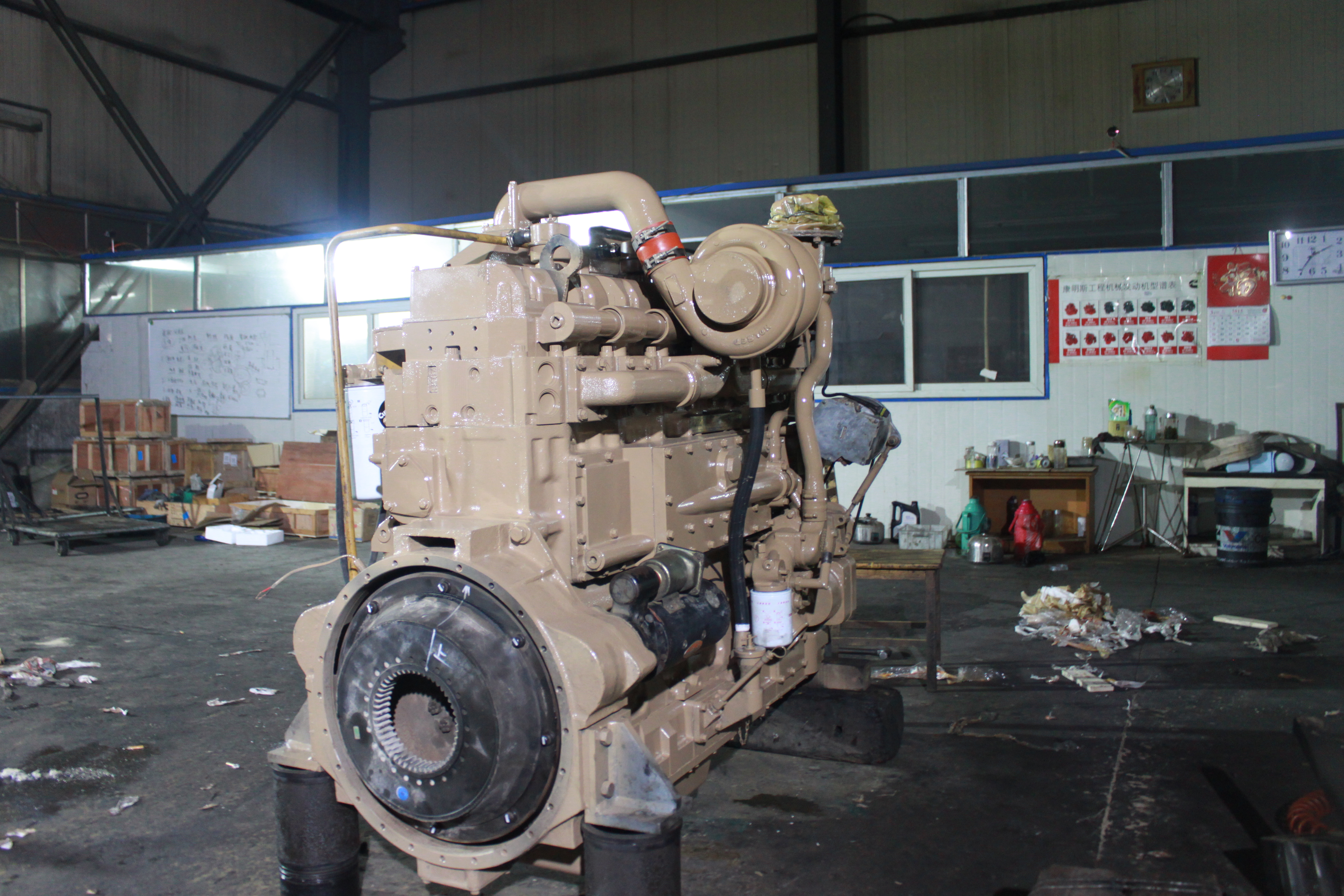
Operating in the world's most demanding environments, marine engines face relentless exposure to saltwater, humidity, and extreme temperature fluctuations that can rapidly degrade conventional machinery. The harsh maritime environment presents unique challenges that require specialized engineering solutions to ensure reliable performance and extended service life. Marine engine manufacturers have developed sophisticated corrosion-resistant technologies specifically designed to withstand these aggressive conditions while maintaining optimal operational efficiency.
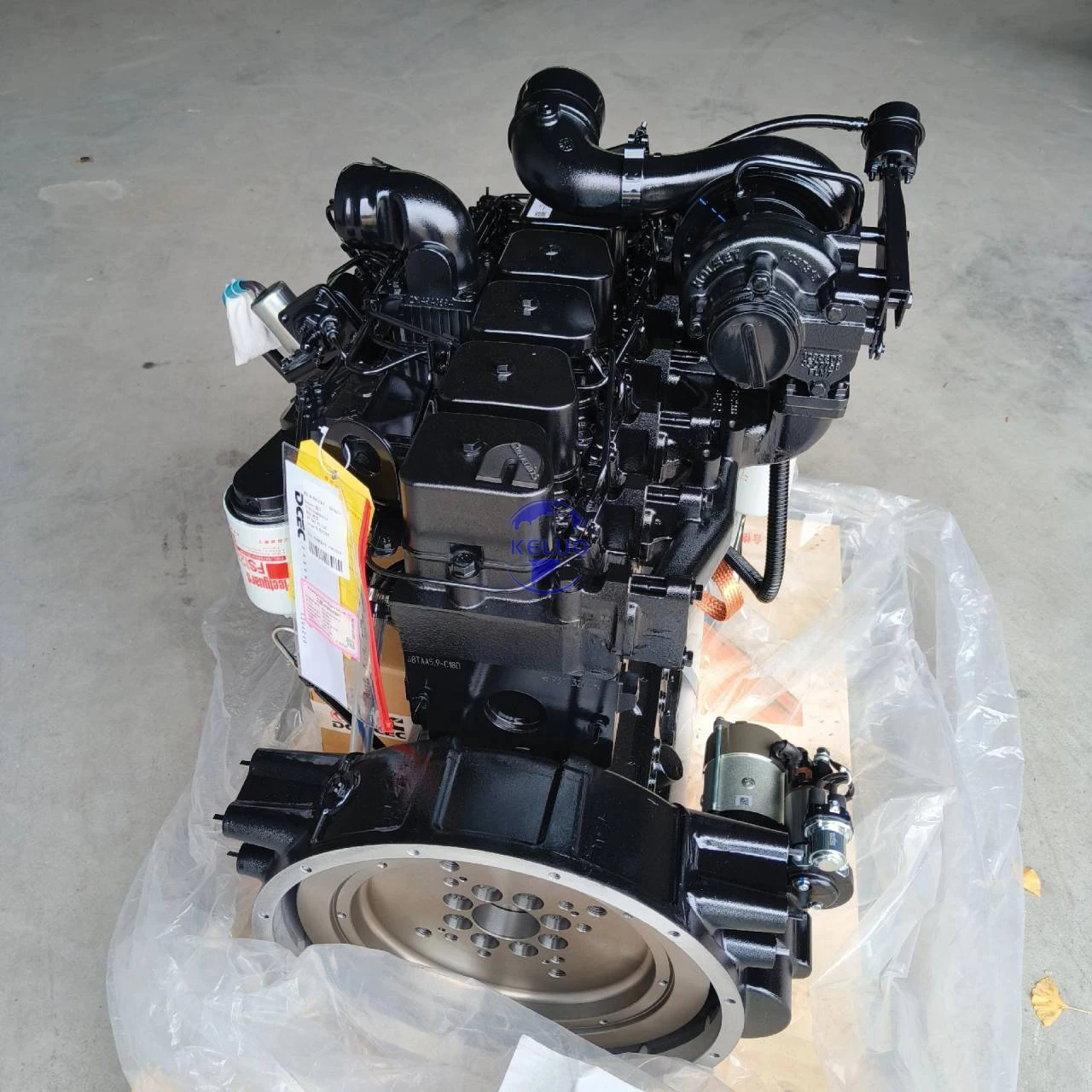
The marine industry relies heavily on robust propulsion systems that can deliver consistent performance despite constant exposure to corrosive elements. Modern marine engine design incorporates advanced materials and protective coatings that form the foundation of long-term reliability in oceanic applications. Understanding how these corrosion-resistant components function provides valuable insight into the engineering excellence required for successful maritime operations.
Understanding Marine Engine Corrosion Challenges
Saltwater Exposure Effects
Saltwater presents one of the most aggressive corrosive environments that any marine engine must endure throughout its operational lifespan. The high concentration of chloride ions in seawater accelerates electrochemical reactions that can rapidly deteriorate metal components. Marine engine designers must carefully consider material selection and protective measures to combat this persistent threat to mechanical integrity.
The continuous presence of moisture and salt creates an ideal environment for galvanic corrosion, where dissimilar metals in contact experience accelerated degradation. This phenomenon requires specialized engineering approaches to ensure that critical marine engine components maintain their structural integrity over extended periods of operation in harsh maritime conditions.
Temperature and Humidity Variables
Marine engines operate within environments characterized by significant temperature fluctuations and consistently high humidity levels that compound corrosion challenges. These variable conditions create thermal stress cycles that can compromise protective coatings and accelerate material degradation processes. Engineers must design marine engine systems that accommodate these environmental extremes while maintaining reliable performance standards.
The combination of elevated temperatures and moisture creates an aggressive environment that promotes oxidation and chemical breakdown of metal surfaces. Effective marine engine design addresses these challenges through strategic material selection and innovative protective technologies that resist environmental degradation while ensuring optimal operational efficiency.
Advanced Materials in Marine Engine Construction
Stainless Steel Applications
Stainless steel alloys represent a cornerstone of modern marine engine construction due to their exceptional resistance to corrosion and mechanical durability. These specialized materials contain chromium and other alloying elements that form protective oxide layers, preventing moisture and salt penetration. Marine engine manufacturers utilize various stainless steel grades strategically positioned throughout critical engine components to maximize longevity and performance reliability.
The selection of appropriate stainless steel grades for specific marine engine applications requires careful consideration of operating conditions, mechanical stress requirements, and chemical compatibility. High-performance marine engines often incorporate duplex stainless steels that provide superior strength-to-weight ratios while maintaining excellent corrosion resistance in harsh saltwater environments.
Aluminum Alloy Integration
Marine engine designers increasingly incorporate specialized aluminum alloys that offer exceptional corrosion resistance while reducing overall system weight. These advanced materials undergo specific treatment processes that enhance their natural protective properties and extend service life in demanding maritime applications. The lightweight characteristics of aluminum alloys contribute to improved fuel efficiency and enhanced vessel performance without compromising durability.
Modern aluminum alloys used in marine engine construction feature advanced metallurgical compositions that resist galvanic corrosion and maintain structural integrity under cyclic loading conditions. These materials enable engineers to design more efficient propulsion systems that deliver reliable performance throughout extended operational periods.
Protective Coating Technologies
Epoxy-Based Coating Systems
Advanced epoxy coating systems provide essential barrier protection for marine engine components exposed to corrosive environments. These sophisticated coatings create impermeable layers that prevent moisture and chemical penetration while maintaining flexibility under thermal stress conditions. Marine engine manufacturers apply these protective systems using precise application techniques that ensure uniform coverage and optimal adhesion to substrate materials.
The development of high-performance epoxy coatings specifically formulated for marine engine applications represents a significant advancement in corrosion protection technology. These coatings incorporate specialized additives that enhance their resistance to chemical attack while providing excellent mechanical properties that withstand operational stresses encountered in maritime service.
Ceramic Coating Applications
Ceramic coatings offer exceptional protection for marine engine components subjected to extreme operating conditions and corrosive environments. These advanced materials provide superior hardness, chemical resistance, and thermal barrier properties that extend component service life significantly. The application of ceramic coatings requires specialized processes that ensure proper adhesion and uniform thickness distribution across complex marine engine geometries.
Modern ceramic coating technologies enable marine engine designers to achieve unprecedented levels of corrosion protection while maintaining optimal heat transfer characteristics. These coatings resist chemical attack from saltwater and combustion byproducts while providing enhanced wear resistance that reduces maintenance requirements and operational costs.
Design Strategies for Corrosion Prevention
Drainage and Ventilation Systems
Effective drainage and ventilation design plays a crucial role in marine engine longevity by preventing moisture accumulation and promoting air circulation. Strategic placement of drain ports and ventilation passages ensures that corrosive fluids cannot collect in critical areas where they might cause accelerated degradation. Marine engine designers incorporate these features seamlessly into the overall system architecture to maintain aesthetic appeal while maximizing protective benefits.
Proper ventilation systems in marine engine compartments help regulate humidity levels and prevent the formation of corrosive condensation that can damage sensitive components. These design elements work in conjunction with other protective measures to create an integrated approach to corrosion prevention that extends overall system service life.
Component Isolation Techniques
Marine engine designers employ sophisticated component isolation techniques to prevent galvanic corrosion between dissimilar metals. These methods include the use of non-conductive barriers, sacrificial anodes, and specialized fasteners that eliminate electrical paths between incompatible materials. Proper implementation of isolation techniques requires careful consideration of mechanical requirements and environmental conditions specific to marine engine applications.
The strategic placement of isolating materials and protective barriers helps maintain the integrity of marine engine components while preserving optimal mechanical performance. These design approaches enable the use of diverse materials within a single marine engine system without compromising long-term reliability or operational efficiency.
Maintenance Protocols for Extended Service Life
Regular Inspection Procedures
Comprehensive inspection protocols form the foundation of effective marine engine maintenance programs designed to maximize service life and prevent costly failures. These procedures include systematic examination of corrosion-resistant components, protective coatings, and drainage systems to identify potential issues before they compromise operational reliability. Trained technicians follow detailed checklists that ensure thorough evaluation of all critical marine engine systems.
Advanced inspection techniques utilizing specialized equipment enable early detection of corrosion initiation and coating degradation that might not be visible through conventional examination methods. Regular implementation of these procedures helps maintain marine engine performance while minimizing unexpected downtime and repair costs.
Preventive Maintenance Scheduling
Effective preventive maintenance scheduling ensures that marine engine systems receive appropriate care at optimal intervals to maximize component longevity. These programs incorporate manufacturer recommendations, operating condition assessments, and historical performance data to develop customized maintenance protocols. Proper scheduling prevents minor issues from developing into major problems that could compromise marine engine reliability.
Modern maintenance management systems utilize advanced analytics to optimize service intervals and predict component replacement requirements based on actual operating conditions. This approach helps vessel operators minimize maintenance costs while ensuring that their marine engine systems continue to deliver reliable performance throughout their intended service life.
Performance Benefits of Corrosion-Resistant Design
Operational Efficiency Improvements
Marine engines incorporating advanced corrosion-resistant technologies demonstrate measurable improvements in operational efficiency compared to conventional designs. These enhancements result from reduced friction losses, maintained clearances, and preserved heat transfer characteristics that optimize combustion processes. The integration of protective technologies enables marine engine systems to maintain peak performance levels throughout extended operational periods.
Corrosion-resistant marine engine components maintain their original specifications longer, resulting in more consistent fuel consumption and reduced emissions over the system's service life. These performance benefits translate into significant operational cost savings and enhanced environmental compliance for vessel operators.
Reliability and Uptime Advantages
The implementation of comprehensive corrosion protection strategies in marine engine design significantly improves system reliability and reduces unscheduled downtime. Protected components maintain their mechanical properties and dimensional stability, preventing failures that could strand vessels or interrupt critical operations. This enhanced reliability provides vessel operators with confidence in their propulsion systems' ability to perform reliably in demanding maritime environments.
Advanced corrosion-resistant marine engine designs enable extended service intervals and reduced maintenance requirements, maximizing vessel availability for revenue-generating operations. The improved reliability characteristics of these systems provide substantial economic benefits that justify the initial investment in advanced protective technologies.
FAQ
What are the most common causes of marine engine corrosion?
The primary causes of marine engine corrosion include saltwater exposure, high humidity environments, galvanic corrosion between dissimilar metals, and inadequate protective coatings. Temperature fluctuations and poor drainage design can accelerate these corrosive processes, making comprehensive protection strategies essential for reliable marine engine operation.
How often should marine engine protective coatings be inspected?
Marine engine protective coatings should be inspected regularly according to manufacturer recommendations, typically during routine maintenance intervals or at least annually. More frequent inspections may be necessary for engines operating in particularly harsh environments or showing signs of accelerated wear. Early detection of coating degradation allows for timely repairs that prevent extensive corrosion damage.
Can existing marine engines be retrofitted with corrosion-resistant upgrades?
Many existing marine engines can benefit from retrofitted corrosion protection upgrades, including protective coating applications, improved drainage modifications, and component replacement with corrosion-resistant alternatives. The feasibility and cost-effectiveness of retrofits depend on the engine's age, condition, and specific operating requirements. Professional assessment helps determine the most appropriate upgrade strategies for individual applications.
What role do sacrificial anodes play in marine engine protection?
Sacrificial anodes provide essential galvanic protection for marine engine cooling systems by corroding preferentially to protect more valuable engine components. These anodes must be replaced regularly as they become depleted through the protective process. Proper anode selection, placement, and maintenance are crucial for effective corrosion protection in marine engine applications.