
 EN
EN
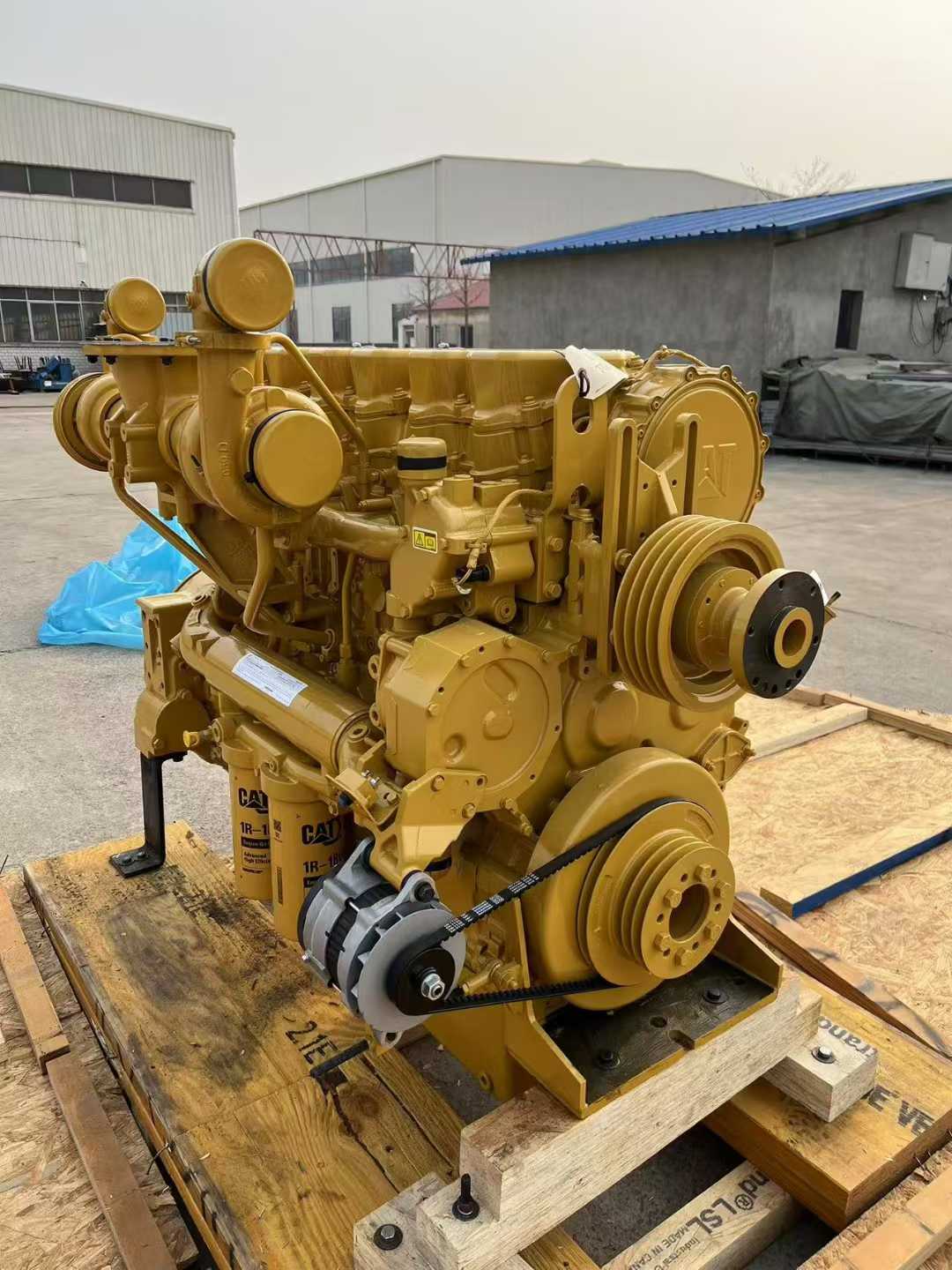
When heavy construction equipment breaks down on a job site, every minute of downtime translates to lost productivity and revenue. Caterpillar engines power millions of excavators, bulldozers, and other heavy machinery worldwide, making reliable troubleshooting knowledge essential for operators and maintenance teams. Understanding common issues and their solutions can significantly reduce repair costs and minimize operational disruptions across construction, mining, and industrial applications.
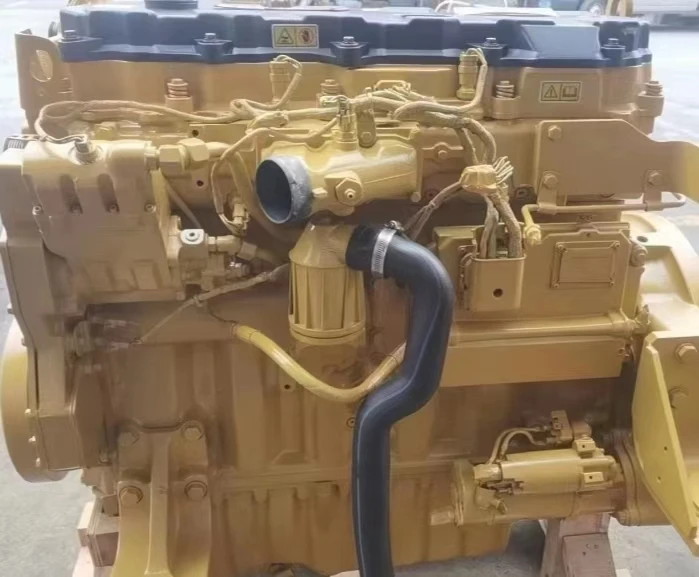
Understanding Caterpillar Engine Systems
Core Engine Components and Functions
The complexity of modern caterpillar engine systems requires a systematic approach to diagnosis and repair. These powerplants integrate sophisticated fuel injection systems, advanced cooling circuits, and computerized control modules that work together to deliver optimal performance. The engine block houses precision-machined cylinders, pistons, and connecting rods designed to withstand extreme operational stresses encountered in construction environments.
Electronic control modules monitor dozens of parameters simultaneously, including fuel pressure, exhaust gas temperatures, and hydraulic system pressures. When troubleshooting issues, technicians must understand how these interconnected systems communicate and influence each other's performance. Modern diagnostic tools can access real-time data streams, helping identify problems before they escalate into costly failures.
Diagnostic Tool Requirements
Professional caterpillar engine diagnostics require specialized equipment beyond basic mechanical tools. Electronic service tools connect directly to the engine's control module, providing access to fault codes, parameter readings, and system calibration data. These diagnostic interfaces enable technicians to perform comprehensive system tests, monitor live data during operation, and clear stored error codes after repairs.
Multimeters, pressure gauges, and temperature measurement devices complement electronic diagnostics by providing physical verification of system conditions. Digital oscilloscopes help analyze electrical signal patterns in fuel injection systems and sensor circuits. Having the right diagnostic equipment significantly improves troubleshooting accuracy and reduces diagnostic time.
Common Starting and Electrical Issues
Battery and Charging System Problems
Starting difficulties often stem from battery or charging system failures rather than engine mechanical problems. Cold weather conditions, extended storage periods, and electrical system parasitic drains can compromise battery performance in heavy equipment applications. Testing battery voltage under load reveals the true condition of the electrical storage system, as surface charges can mask underlying capacity problems.
Alternator output testing requires measuring voltage and current output across the entire rpm range. Loose connections, worn brushes, or damaged diode assemblies can cause intermittent charging problems that gradually degrade battery performance. Regular maintenance of electrical connections and periodic charging system testing prevent unexpected starting failures in critical operational situations.
Starter Motor and Solenoid Malfunctions
High-torque starter motors in heavy equipment face extreme mechanical stresses during engine cranking cycles. Worn starter drive mechanisms, damaged solenoid contacts, or insufficient current flow can prevent proper engine rotation. Voltage drop testing across starter circuits identifies resistance problems in cables, connections, or switching components that limit cranking performance.
Solenoid clicking without starter engagement typically indicates mechanical binding or electrical contact failure. Testing continuity through solenoid windings and measuring contact resistance helps isolate specific component failures. Proper starter motor maintenance includes periodic inspection of drive gear engagement and lubrication of bearing surfaces.
Fuel System Diagnostics and Repairs
Fuel Delivery and Pressure Issues
Modern diesel fuel systems operate at extremely high pressures to achieve efficient combustion and meet emissions requirements. Fuel pressure sensors monitor system performance continuously, triggering fault codes when pressure deviates from specified parameters. Low fuel pressure can result from clogged filters, failing lift pumps, or fuel line restrictions that limit flow to injection components.
Testing fuel system pressure requires specialized gauges capable of measuring high-pressure conditions safely. Pressure testing at multiple system points helps isolate problems between fuel tank pickup and individual injectors. Water contamination in fuel systems causes corrosion damage and injector failures, making fuel quality testing an essential diagnostic step.
Injection System Performance
Electronic fuel injection systems in caterpillar engine applications require precise timing and fuel delivery for optimal performance. Injector flow testing identifies unbalanced fuel delivery that causes rough operation, excessive emissions, or power loss. Electronic injector drivers can fail internally, preventing proper injector operation even when fuel pressure remains adequate.
Injection timing problems affect combustion efficiency and engine performance characteristics. Advanced diagnostic tools can measure injection timing electronically and compare results to manufacturer specifications. Incorrect timing can result from worn injection pump components, damaged timing sensors, or control module calibration issues.
Cooling System Troubleshooting
Overheating Prevention and Diagnosis
Engine overheating represents one of the most serious threats to caterpillar engine longevity and reliability. Cooling system problems can cause catastrophic engine damage within minutes of operation, making prompt diagnosis and repair critical. Temperature sensors throughout the cooling system provide early warning of developing problems, allowing operators to shut down equipment before damage occurs.
Thermostat failures, radiator blockages, and water pump malfunctions are common causes of overheating in heavy equipment applications. Pressure testing the cooling system reveals leaks that may not be visible during normal operation. Coolant analysis identifies contamination problems, chemical imbalances, or additive depletion that can cause corrosion damage.
Coolant Flow and Component Testing
Proper coolant circulation requires functional water pump operation, clear flow passages, and appropriate system pressure. Flow testing through radiator cores identifies internal blockages that reduce heat transfer efficiency. Fan clutch operation affects cooling performance at low engine speeds or high ambient temperatures common in construction environments.
Coolant temperature sensor accuracy affects electronic fan control and engine protection systems. Temperature sensor calibration testing ensures accurate readings for both operator displays and control module inputs. Incorrect temperature readings can cause premature engine shutdowns or inadequate overheating protection.
Air Intake and Exhaust System Problems
Air Filter and Intake Restrictions
Restricted air intake systems reduce engine power output and increase fuel consumption in heavy equipment applications. Air filter condition monitoring systems alert operators when service intervals approach, preventing severe restriction problems. Dusty construction environments accelerate air filter loading, requiring more frequent service than standard maintenance schedules might indicate.
Intake system leaks allow unfiltered air to bypass filtration systems, potentially causing accelerated engine wear. Pressure differential testing across air filters quantifies restriction levels and helps determine optimal replacement intervals. Turbocharger performance depends on adequate air flow, making intake system maintenance critical for maintaining rated power output.
Exhaust System and Emissions Control
Modern emissions control systems integrate diesel particulate filters, selective catalytic reduction components, and exhaust gas recirculation valves. These systems require specific operating conditions to function properly, including adequate exhaust temperatures and proper diesel exhaust fluid quality. Fault codes related to emissions systems can trigger engine power reductions or operational restrictions.
Exhaust back pressure testing identifies restrictions in particulate filters or exhaust piping that can affect engine performance. Regeneration cycles for particulate filters require specific operating conditions and may need forced initiation during troubleshooting procedures. Understanding emissions system operation helps technicians diagnose related performance problems effectively.
Hydraulic System Integration Issues
Engine-Hydraulic System Interactions
Hydraulic system problems can manifest as apparent engine performance issues in heavy equipment applications. High hydraulic system pressures increase engine loading, potentially causing stalling or power loss conditions. Hydraulic pump drive systems connect directly to engine output, making hydraulic system condition relevant to overall engine performance troubleshooting.
Engine speed control systems interact with hydraulic load sensing to optimize fuel efficiency and performance. Electronic communication between engine and hydraulic control modules coordinates system responses during varying load conditions. Troubleshooting requires understanding these integrated control strategies and their diagnostic procedures.
Power Take-Off and Accessory Drives
Accessory drive systems for hydraulic pumps, cooling fans, and other equipment create additional loading on caterpillar engine systems. Drive belt tension, pulley alignment, and bearing condition affect system efficiency and reliability. Excessive accessory loading can cause engine performance problems that may be misdiagnosed as internal engine failures.
Electronic control of accessory systems allows load management strategies that optimize engine performance. Variable speed fan drives, hydraulic pump displacement control, and other load management systems require proper calibration for effective operation. Diagnostic procedures must account for these integrated systems when troubleshooting apparent engine problems.
Preventive Maintenance Strategies
Scheduled Service Intervals
Comprehensive preventive maintenance programs significantly reduce unexpected failures and extend caterpillar engine service life. Manufacturer-specified service intervals consider operating conditions, duty cycles, and environmental factors that affect component wear rates. Adjusting maintenance schedules based on actual operating conditions optimizes both reliability and maintenance costs.
Oil analysis programs provide early warning of developing problems through monitoring wear metals, contamination levels, and additive depletion. Trending analysis results over time reveals gradual changes that may indicate developing component problems. Regular sampling and analysis enable condition-based maintenance decisions that prevent catastrophic failures.
Environmental Considerations
Operating environments significantly impact maintenance requirements for heavy equipment engines. Dusty conditions accelerate air filter loading and increase cooling system contamination risks. High ambient temperatures stress cooling systems and affect fluid viscosities throughout the equipment. Cold weather operations require different fuel specifications and may need supplemental heating systems.
Altitude effects on engine performance require consideration in mountainous construction projects. Reduced air density affects turbocharger performance and may require power derating for reliable operation. Understanding environmental impacts helps optimize maintenance programs and prevent environment-related failures.
FAQ
What are the most common signs of caterpillar engine problems
The most common early warning signs include unusual exhaust smoke colors, changes in engine sound or vibration patterns, reduced power output, and increased fuel consumption. Electronic fault codes stored in the engine control module provide specific diagnostic information about detected problems. Temperature gauge readings outside normal ranges and unusual fluid leaks also indicate developing issues requiring immediate attention.
How often should caterpillar engines receive professional maintenance
Professional maintenance intervals depend on operating conditions, duty cycles, and equipment age, but typically range from 250 to 500 operating hours for routine service. Severe duty applications such as mining or continuous operation may require more frequent attention. Oil analysis results and electronic monitoring systems can help optimize maintenance timing based on actual engine condition rather than arbitrary time intervals.
Can operators perform basic troubleshooting without specialized training
Equipment operators can perform basic visual inspections, fluid level checks, and simple diagnostic procedures safely. However, complex electronic diagnostics, high-pressure fuel system work, and internal engine repairs require specialized training and equipment for safe execution. Operators should focus on preventive maintenance tasks and early problem identification while leaving complex repairs to qualified technicians.
What tools are essential for caterpillar engine troubleshooting
Essential diagnostic tools include electronic service tools for accessing fault codes and system parameters, digital multimeters for electrical testing, and pressure gauges for hydraulic and fuel system testing. Infrared thermometers help identify cooling system problems, while compression testers evaluate internal engine condition. Having manufacturer-specific diagnostic software ensures access to complete system functionality and calibration procedures.