
 EN
EN
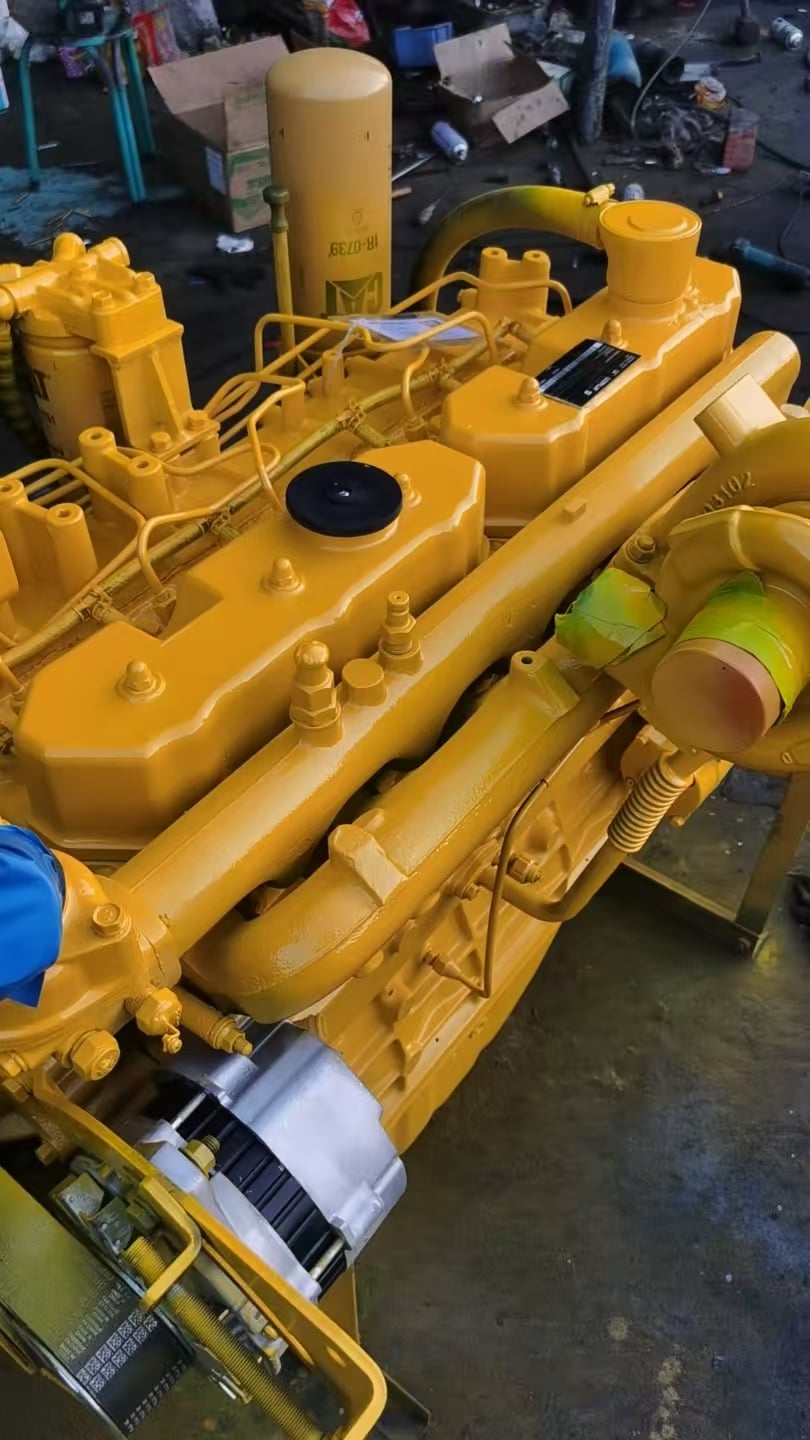
Proper maintenance of your caterpillar engine is essential for maximizing equipment performance, reducing downtime, and extending operational lifespan. Heavy machinery operators and construction professionals rely on these robust power units to deliver consistent performance under demanding conditions. Understanding the fundamental maintenance principles and implementing a systematic approach can significantly impact your equipment's reliability and cost-effectiveness. Regular maintenance not only prevents costly breakdowns but also ensures optimal fuel efficiency and compliance with environmental regulations.
Essential Maintenance Fundamentals
Understanding Engine Components
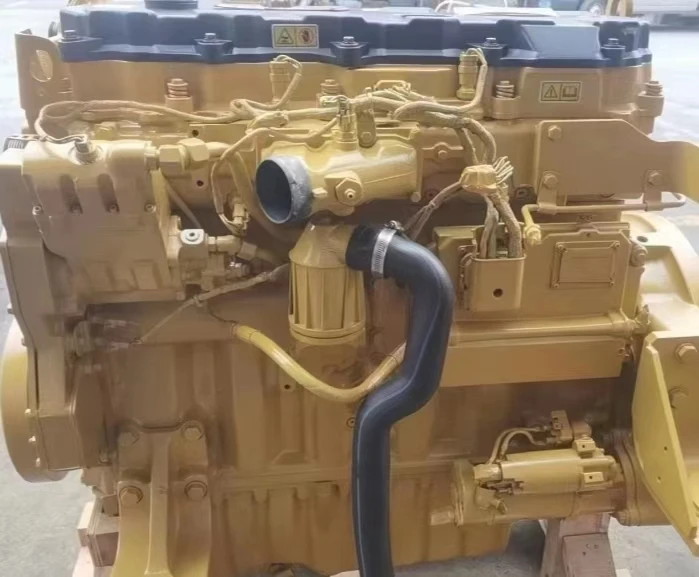
Every caterpillar engine consists of critical components that require specific attention during maintenance procedures. The engine block, cylinder heads, pistons, and connecting rods form the core mechanical assembly that converts fuel energy into mechanical power. Understanding how these components work together helps technicians identify potential issues before they become major problems. Regular inspection of these elements reveals wear patterns, contamination levels, and performance degradation indicators that guide maintenance decisions.
The fuel system components, including injectors, fuel pumps, and filtration systems, play a crucial role in engine performance and longevity. Contaminated fuel can cause significant damage to precision components, leading to expensive repairs and extended downtime. Modern caterpillar engines incorporate advanced fuel injection technology that requires specialized knowledge and proper maintenance procedures to function effectively.
Maintenance Schedule Development
Creating a comprehensive maintenance schedule based on operating hours, environmental conditions, and application requirements ensures consistent engine performance. Different operating environments demand varying maintenance intervals, with harsh conditions requiring more frequent service procedures. Construction sites with high dust levels, extreme temperatures, or contaminated fuel supplies need adjusted maintenance protocols to protect engine components effectively.
Documentation of maintenance activities, including service dates, component replacements, and performance observations, provides valuable insights for optimizing future maintenance schedules. This historical data helps identify trends, predict component failures, and adjust maintenance intervals based on actual operating experience rather than generic recommendations.
Critical Maintenance Procedures
Oil Analysis and Management
Engine oil serves multiple functions beyond lubrication, including heat transfer, contamination control, and component protection. Regular oil analysis provides detailed information about engine condition, contamination levels, and wear rates that cannot be obtained through visual inspection alone. Professional laboratories can detect microscopic metal particles, chemical contamination, and additive depletion that indicate developing problems.
Proper oil selection based on operating conditions, ambient temperatures, and manufacturer specifications ensures optimal protection and performance. Using incorrect oil viscosity or quality can reduce engine efficiency, accelerate component wear, and void warranty coverage. Regular oil changes at appropriate intervals remove contamination and replenish additives that protect against corrosion and oxidation.
Air Filtration System Maintenance
The air filtration system protects internal engine components from abrasive particles that can cause rapid wear and performance degradation. Regular inspection and replacement of air filters prevents contamination from reaching critical components while maintaining proper airflow for combustion efficiency. Restricted air filters can reduce engine power, increase fuel consumption, and create excessive exhaust emissions.
Modern filtration systems often include multiple stages and monitoring devices that indicate when service is required. Understanding these systems and their maintenance requirements helps operators maximize protection while minimizing unnecessary filter replacements. Proper installation techniques and quality replacement parts ensure effective filtration and prevent bypass conditions that allow contamination to enter the engine.
Advanced Diagnostic Techniques
Electronic System Monitoring
Contemporary caterpillar engine models incorporate sophisticated electronic control systems that monitor performance parameters and detect potential problems before they cause failures. These systems provide real-time data on engine temperature, pressure, flow rates, and emissions levels that help operators optimize performance and identify maintenance requirements.
Diagnostic tools and software enable technicians to access detailed information about engine operation, fault codes, and performance trends. Regular downloads and analysis of this data provide insights into engine health and help predict when maintenance will be required. Understanding how to interpret diagnostic information allows operators to make informed decisions about maintenance timing and procedures.
Performance Testing Methods
Comprehensive performance testing involves measuring engine output, fuel consumption, emissions levels, and operating temperatures under controlled conditions. These tests establish baseline performance metrics and identify gradual degradation that might not be apparent during normal operation. Regular performance testing helps verify that maintenance procedures are effective and that engine specifications are being maintained.
Specialized equipment and procedures are required for accurate performance testing, including dynamometers, flow meters, and emission analyzers. Professional testing facilities can provide detailed analysis of engine condition and recommendations for maintenance or repair procedures based on objective performance data.
Preventive Maintenance Strategies
Component Replacement Planning
Proactive replacement of wear components before failure occurs prevents unexpected downtime and reduces the risk of secondary damage to other engine parts. Developing replacement schedules based on operating hours, performance monitoring, and historical data helps optimize maintenance costs while maintaining reliable operation. Critical components like fuel injectors, turbochargers, and cooling system parts have predictable service lives that can guide replacement planning.
Inventory management for replacement parts ensures that necessary components are available when needed without excessive storage costs. Understanding part numbers, specifications, and compatibility requirements prevents delays and ensures that correct components are installed during maintenance procedures.
Environmental Considerations
Operating environment significantly impacts maintenance requirements and component longevity in heavy-duty applications. Dusty conditions accelerate filter contamination and increase abrasive wear, while high humidity can promote corrosion and fuel contamination. Cold weather operation requires special procedures for starting, warm-up, and component protection that differ from standard maintenance protocols.
Seasonal maintenance adjustments help prepare engines for changing operating conditions and prevent weather-related problems. This includes coolant system preparation for freezing conditions, fuel system winterization, and component protection during extended storage periods.
Troubleshooting Common Issues
Performance Problems
Reduced power output, excessive fuel consumption, and abnormal operating temperatures are common symptoms that indicate maintenance requirements or developing problems. Systematic troubleshooting procedures help identify root causes and determine appropriate corrective actions. Understanding the relationship between symptoms and potential causes enables efficient diagnosis and repair.
Documentation of symptoms, operating conditions, and repair actions provides valuable information for preventing similar problems in the future. Pattern recognition helps identify recurring issues that might indicate inadequate maintenance procedures or operating practices that accelerate component wear.
Starting and Charging System Issues
Starting system problems can prevent equipment operation and indicate developing issues with electrical components, fuel delivery, or compression levels. Regular testing of batteries, charging systems, and starting motors helps identify problems before they cause operational failures. Proper maintenance of electrical connections and protective devices prevents corrosion and ensures reliable operation.
Cold weather starting requires special attention to fuel quality, battery condition, and engine heating systems. Understanding these requirements and implementing appropriate procedures prevents starting problems and reduces component stress during initial operation periods.
FAQ
How often should I change the oil in my caterpillar engine
Oil change intervals depend on operating conditions, fuel quality, and engine model specifications. Typical intervals range from 250 to 500 operating hours, but severe conditions may require more frequent changes. Regular oil analysis provides the most accurate guidance for determining optimal change intervals based on actual contamination and additive depletion levels rather than arbitrary time periods.
What are the signs that my engine needs immediate maintenance
Warning signs include unusual noises, excessive smoke, temperature abnormalities, power loss, and increased fuel consumption. Electronic diagnostic codes and monitoring system alerts provide early indication of developing problems. Any combination of these symptoms requires immediate investigation to prevent major damage and costly repairs.
Can I perform maintenance procedures myself or do I need professional service
Basic maintenance like oil changes, filter replacements, and visual inspections can be performed by trained operators with proper tools and procedures. Complex repairs, electronic diagnostics, and precision adjustments require specialized equipment and professional expertise. Understanding your capabilities and limitations helps ensure that maintenance is performed correctly and safely.
How do environmental conditions affect maintenance requirements
Harsh environments accelerate component wear and increase maintenance frequency requirements. Dusty conditions require more frequent filter changes, high temperatures increase cooling system demands, and contaminated fuel supplies necessitate enhanced filtration and fuel system maintenance. Adjusting maintenance schedules based on actual operating conditions optimizes engine protection and performance.