
 EN
EN
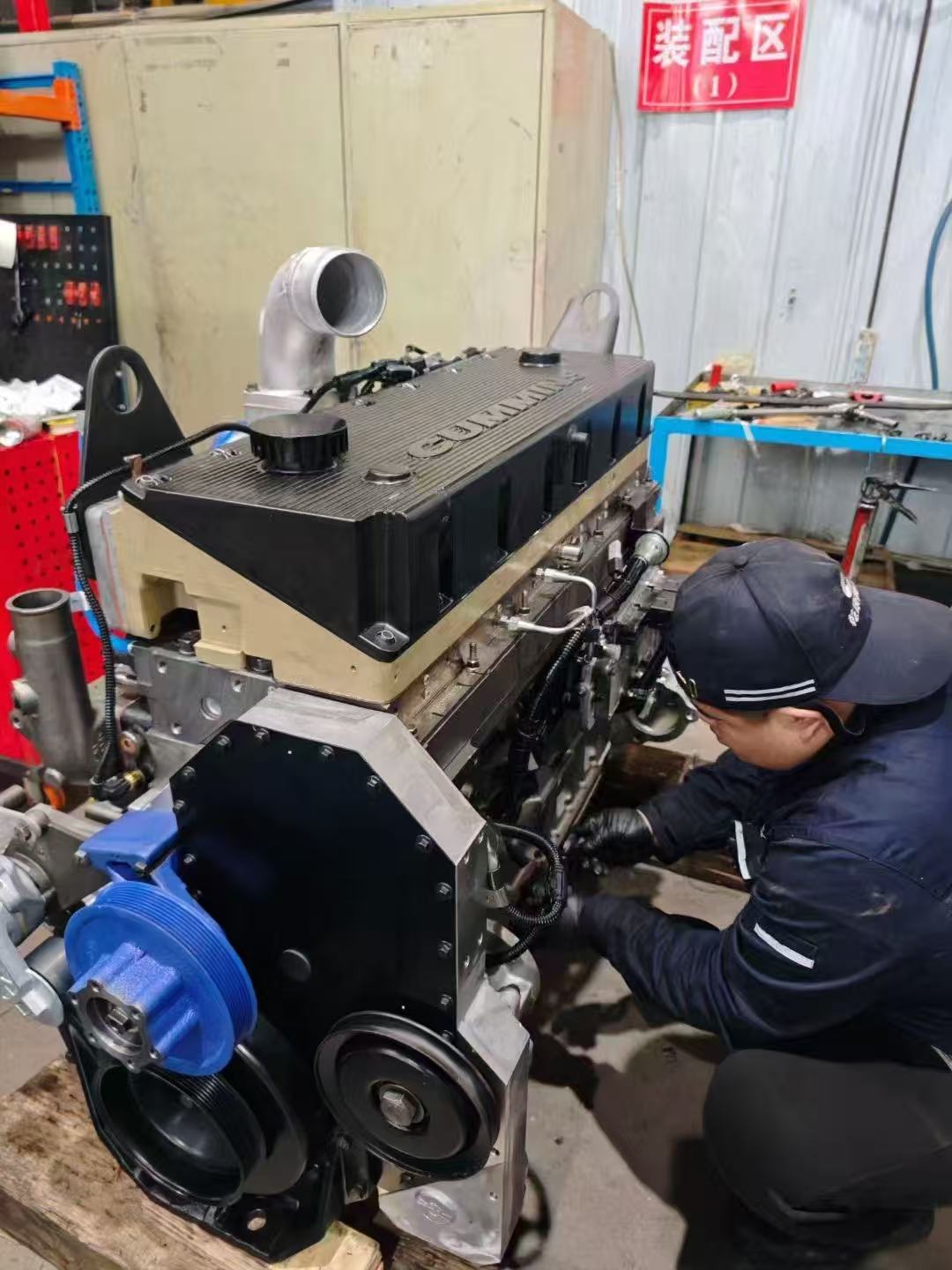
The construction industry stands at a pivotal crossroads as traditional diesel-powered machinery faces mounting pressure from emerging electric alternatives. This transformation is particularly evident in the realm of excavator engines, where decades of diesel dominance are being challenged by innovative electric powertrains. Understanding the fundamental differences between these technologies is crucial for contractors, equipment managers, and industry professionals who must navigate this evolving landscape while maintaining operational efficiency and meeting environmental mandates.
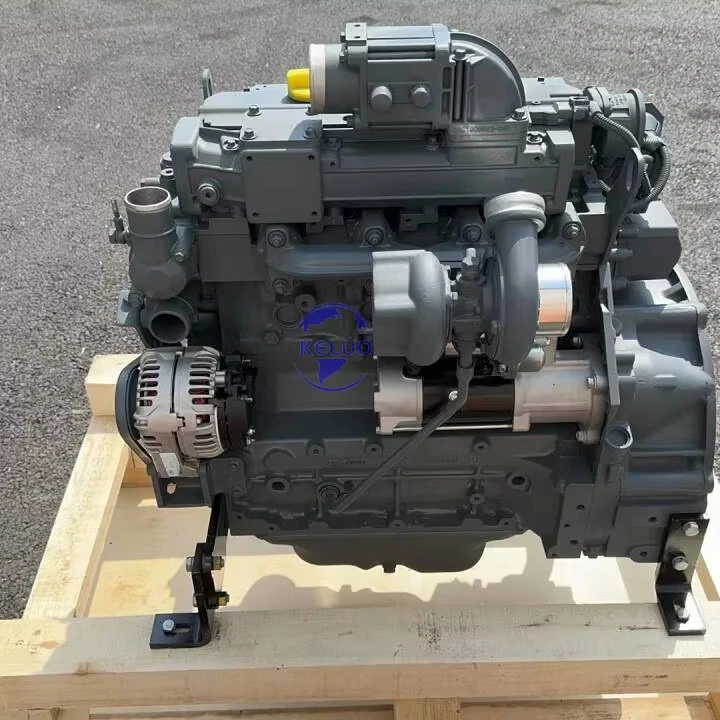
The debate surrounding diesel versus electric excavator engines encompasses multiple dimensions including performance capabilities, environmental impact, operational costs, and infrastructure requirements. Each technology presents distinct advantages and challenges that must be carefully evaluated within the context of specific operational needs and regulatory environments. As manufacturers continue advancing both diesel efficiency and electric battery technology, the choice between these power systems becomes increasingly complex yet critically important for long-term business success.
Technical Specifications and Performance Characteristics
Diesel Engine Power Delivery and Torque Characteristics
Traditional diesel excavator engines have dominated the construction equipment market for decades due to their exceptional power-to-weight ratio and robust torque delivery characteristics. Modern diesel engines typically generate peak torque at relatively low RPM ranges, making them ideally suited for the demanding hydraulic systems that power excavator operations. The combustion process in diesel engines provides consistent power output across varying load conditions, ensuring reliable performance during intensive digging, lifting, and material handling tasks.
Contemporary diesel excavator engines incorporate advanced technologies such as common rail fuel injection, variable geometry turbocharging, and sophisticated engine management systems. These innovations have significantly improved fuel efficiency while maintaining the high-torque characteristics essential for heavy-duty applications. The thermal efficiency of modern diesel engines often exceeds 40%, representing substantial improvements over previous generations while delivering the sustained power output required for extended operational periods.
Electric Motor Power Characteristics and Instant Torque Advantages
Electric excavator engines offer fundamentally different power delivery characteristics compared to their diesel counterparts, providing instant torque availability from zero RPM. This immediate power response translates to enhanced operational precision and improved responsiveness during delicate positioning tasks. Electric motors maintain consistent torque output across their entire operating range, eliminating the torque curve limitations inherent in internal combustion engines.
The efficiency characteristics of electric excavator engines typically exceed 90%, significantly surpassing diesel engine thermal efficiency. This superior efficiency translates to reduced energy consumption per unit of work performed, though the overall operational efficiency must account for battery charging losses and energy storage limitations. Electric motors also generate minimal heat compared to diesel engines, reducing cooling system requirements and improving overall energy utilization.
Environmental Impact and Regulatory Compliance
Emission Profiles and Air Quality Considerations
The environmental impact assessment of excavator engines extends beyond simple tailpipe emissions to encompass the entire lifecycle of energy production and consumption. Diesel excavator engines produce direct emissions including nitrogen oxides, particulate matter, and carbon dioxide at the point of operation. Despite significant improvements in diesel emission control technology, including selective catalytic reduction and diesel particulate filters, these engines continue to contribute to local air quality concerns and greenhouse gas emissions.
Modern diesel excavator engines must comply with increasingly stringent emission standards such as EPA Tier 4 Final and European Stage V regulations. These standards have driven substantial technological advancement in diesel engine design, resulting in cleaner combustion processes and more effective aftertreatment systems. However, the fundamental nature of combustion engines means that some level of emissions remains unavoidable, particularly in dense urban construction environments where air quality concerns are most acute.
Electric Power Source and Grid Impact Analysis
Electric excavator engines produce zero direct emissions during operation, offering significant advantages in enclosed spaces, urban environments, and areas with strict air quality requirements. However, the environmental benefits of electric power depend heavily on the electricity generation mix used for battery charging. In regions with high renewable energy penetration, electric excavators can achieve substantially lower lifecycle emissions compared to diesel alternatives.
The environmental assessment must also consider the manufacturing and disposal impacts of large-capacity batteries required for electric excavator engines. Advanced lithium-ion battery systems require significant resources for production and present recycling challenges at end-of-life. Nevertheless, battery recycling technologies continue improving, and the environmental impact per unit of energy storage decreases as battery technology advances and manufacturing scales increase.
Operational Cost Analysis and Economic Considerations
Initial Capital Investment and Equipment Costs
The initial capital investment for diesel excavator engines typically represents a lower upfront cost compared to electric alternatives, primarily due to the mature manufacturing base and established supply chains for diesel technology. Conventional diesel excavator engines benefit from decades of manufacturing optimization and competitive pricing across multiple suppliers. The supporting infrastructure for diesel operations, including fuel storage and maintenance facilities, is widely available and relatively inexpensive to establish.
Electric excavator engines currently command a premium price due to expensive battery systems and specialized electric drivetrain components. The cost differential between diesel and electric systems can range from 30% to 100% depending on the specific application and battery capacity requirements. However, government incentives and environmental regulations increasingly offset these initial cost differences, particularly in markets with aggressive emission reduction targets.
Operating Costs and Lifecycle Economics
Long-term operating costs present a complex comparison between diesel and electric excavator engines, with multiple variables affecting the economic equation. Diesel fuel costs fluctuate significantly based on global oil markets, while electricity prices tend to be more stable and predictable. Electric excavator engines typically require less maintenance due to fewer moving parts and the absence of oil changes, filter replacements, and emission system maintenance associated with diesel engines.
The operational cost analysis must account for productivity differences between the two technologies. Diesel excavator engines offer extended operating periods limited only by fuel capacity, while electric systems require charging downtime that can impact productivity in certain applications. However, electric excavators often provide superior precision and control, potentially improving productivity in applications requiring delicate manipulation or precise positioning.
Infrastructure Requirements and Practical Implementation
Fuel Infrastructure and Supply Chain Considerations
Diesel excavator engines benefit from extensive existing fuel infrastructure that spans virtually all geographic regions where construction equipment operates. Fuel delivery systems, storage facilities, and refueling equipment are standardized and readily available. The energy density of diesel fuel allows for extended operation between refueling events, making diesel excavator engines particularly suitable for remote locations or projects with limited infrastructure access.
The supply chain for diesel fuel and maintenance components is well-established and globally distributed, ensuring reliable parts availability and service support. This infrastructure advantage becomes particularly significant for contractors operating in multiple geographic regions or remote locations where specialized electric charging infrastructure may not be available or economically feasible to establish.
Charging Infrastructure and Grid Integration Challenges
Electric excavator engines require substantial charging infrastructure investments that extend beyond simple electrical connections. High-capacity charging systems necessary for rapid battery replenishment demand significant electrical service upgrades and may require utility coordination for adequate power supply. The charging infrastructure must accommodate the high power demands of large-capacity battery systems while maintaining compatibility with existing electrical grid infrastructure.
Construction sites utilizing electric excavator engines must carefully plan charging schedules to avoid peak demand charges and ensure adequate power availability for multiple machines. Smart charging systems and energy management technologies can optimize charging patterns, but these systems add complexity and cost to project planning. Remote or temporary construction sites face particular challenges in establishing adequate charging infrastructure for electric excavators.
Performance Applications and Suitability Analysis
Heavy-Duty Applications and Continuous Operation Requirements
Diesel excavator engines excel in applications requiring sustained high-power output over extended periods, such as large-scale earthmoving, quarrying, and industrial construction projects. The energy density of diesel fuel enables continuous operation for 8-12 hours without refueling, making diesel systems particularly suitable for projects with tight schedules or limited downtime opportunities. Heavy-duty applications benefit from the robust nature of diesel engines and their ability to maintain performance under extreme operating conditions.
The thermal management characteristics of diesel excavator engines allow for sustained operation in high ambient temperatures without significant performance degradation. Diesel engines can operate effectively in dusty, contaminated, or harsh environments where electric systems might face challenges with component protection and cooling requirements. These operational advantages make diesel excavator engines the preferred choice for many industrial and mining applications.
Precision Work and Urban Applications
Electric excavator engines demonstrate superior performance characteristics for applications requiring precise control and quiet operation. The instant torque response and variable speed capabilities of electric motors enable more accurate positioning and smoother operation compared to diesel alternatives. Urban construction projects benefit from the reduced noise levels and zero local emissions of electric excavators, addressing community concerns and regulatory requirements in dense urban environments.
Indoor construction applications, tunnel work, and enclosed space operations strongly favor electric excavator engines due to emission elimination and reduced ventilation requirements. The compact design and reduced cooling requirements of electric systems can provide advantages in space-constrained applications where traditional diesel exhaust and cooling systems present installation challenges.
Future Technology Trends and Market Evolution
Diesel Engine Advancement and Efficiency Improvements
Ongoing developments in diesel excavator engines focus on further efficiency improvements and emission reductions through advanced combustion technologies and alternative fuel integration. Manufacturers continue investing in research aimed at optimizing diesel engine performance while meeting increasingly stringent environmental regulations. Hybrid systems combining diesel engines with electric assistance represent an intermediate solution that leverages the advantages of both technologies.
Alternative diesel fuels including biodiesel, renewable diesel, and synthetic fuels offer pathways to reduce the carbon footprint of diesel excavator engines while maintaining existing infrastructure compatibility. These fuel alternatives can provide immediate emission reductions without requiring substantial equipment modifications or infrastructure investments, extending the viable lifespan of diesel technology in environmental-conscious markets.
Electric Technology Evolution and Battery Advancement
Rapid advancement in battery technology continues improving the viability of electric excavator engines through increased energy density, faster charging capabilities, and extended lifecycle performance. Next-generation battery chemistries promise to reduce cost, weight, and charging time while improving safety and environmental characteristics. Solid-state batteries and other emerging technologies may eliminate many current limitations of electric excavator engines.
Wireless charging technology and automated battery swapping systems represent potential solutions to charging infrastructure challenges faced by electric excavators. These technologies could enable continuous operation comparable to diesel systems while maintaining the environmental and operational advantages of electric power. Integration with renewable energy systems and smart grid technology further enhances the environmental benefits of electric excavator engines.
FAQ
What are the main performance differences between diesel and electric excavator engines
Diesel excavator engines provide sustained high-power output with proven reliability for extended operation periods, typically offering 8-12 hours of continuous operation between refueling. Electric excavator engines deliver instant torque response with superior precision control but currently face limitations in operating duration between charges. Electric systems offer 90% efficiency compared to 40% thermal efficiency in diesel engines, though overall productivity depends on specific application requirements and charging infrastructure availability.
How do operational costs compare between diesel and electric excavator engines
Initial purchase costs for electric excavator engines typically exceed diesel alternatives by 30-100% due to expensive battery systems, though government incentives can reduce this differential. Operating costs favor electric systems through lower energy costs per unit of work, reduced maintenance requirements, and elimination of oil changes and emission system servicing. However, the total cost of ownership depends on utilization patterns, local fuel and electricity prices, and the availability of charging infrastructure.
What infrastructure requirements are necessary for electric excavator engines
Electric excavator engines require substantial electrical infrastructure including high-capacity charging systems, adequate electrical service capacity, and potentially utility grid upgrades for multiple machine operations. Charging infrastructure costs can be significant for construction sites, particularly in remote locations where electrical service may be limited. Diesel excavator engines benefit from existing fuel infrastructure that is widely available and requires minimal site-specific investment for most applications.
Which technology is better suited for different types of construction applications
Diesel excavator engines excel in heavy-duty continuous operation applications such as large earthmoving projects, quarrying, and remote site work where refueling infrastructure is readily available. Electric excavator engines are particularly well-suited for urban construction, indoor applications, precision work, and environmentally sensitive areas where emissions and noise must be minimized. The choice depends on specific operational requirements, site conditions, environmental regulations, and available infrastructure support.
Table of Contents
- Technical Specifications and Performance Characteristics
- Environmental Impact and Regulatory Compliance
- Operational Cost Analysis and Economic Considerations
- Infrastructure Requirements and Practical Implementation
- Performance Applications and Suitability Analysis
- Future Technology Trends and Market Evolution
-
FAQ
- What are the main performance differences between diesel and electric excavator engines
- How do operational costs compare between diesel and electric excavator engines
- What infrastructure requirements are necessary for electric excavator engines
- Which technology is better suited for different types of construction applications