
 EN
EN
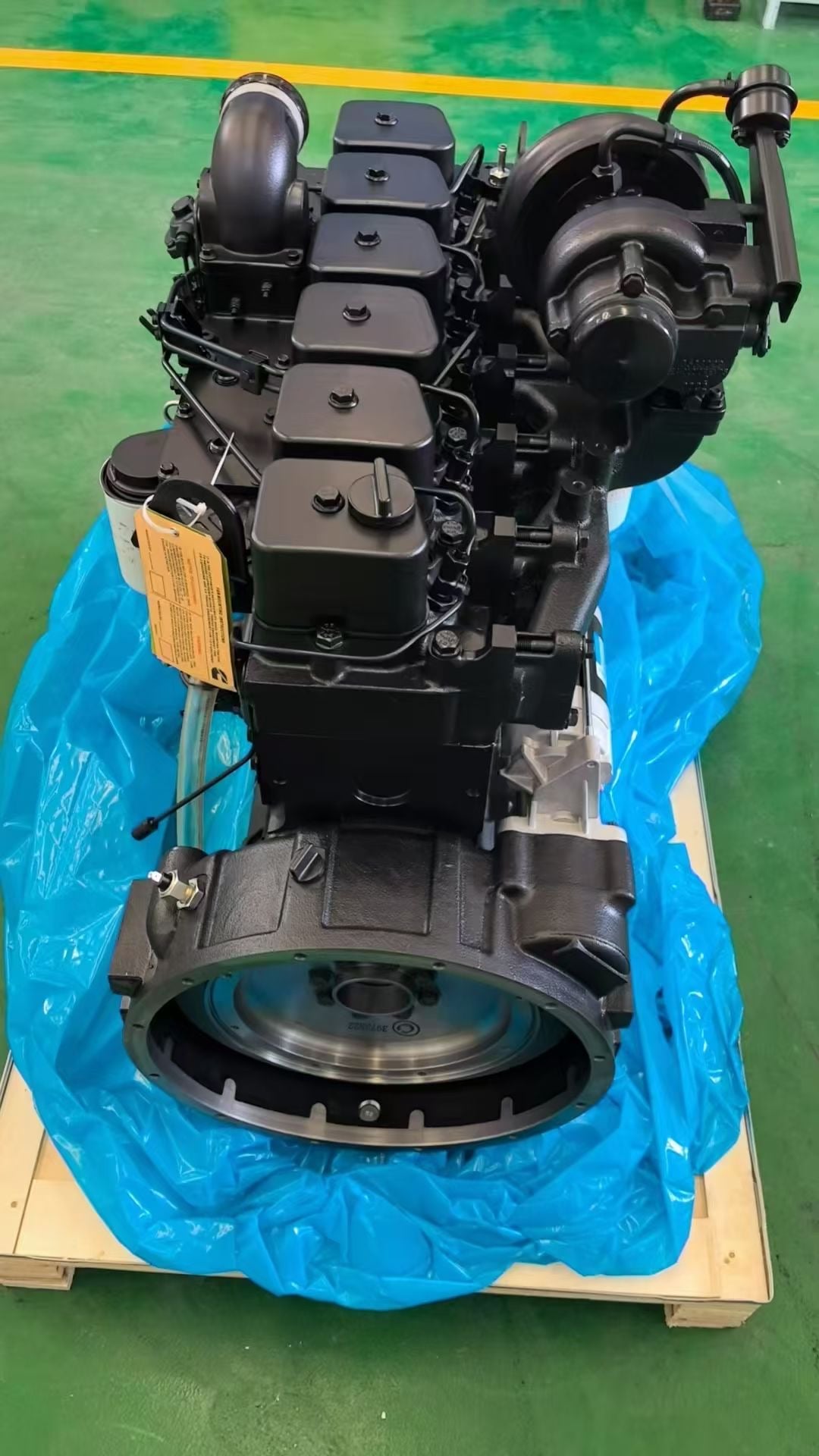
Agricultural operations today demand unprecedented power and reliability from farming equipment, particularly when tackling challenging field conditions. A high-torque tractor engine represents the pinnacle of agricultural engineering, delivering the substantial rotational force needed to overcome soil resistance, steep terrain, and heavy implement loads. These specialized powerplants combine advanced combustion technology with robust mechanical design to ensure consistent performance across diverse farming applications.

The agricultural machinery sector has witnessed remarkable evolution in engine technology, with manufacturers focusing on maximizing torque output while maintaining fuel efficiency. Modern farming operations require equipment capable of maintaining consistent power delivery under varying load conditions, from deep tillage operations to heavy harvest activities. Understanding how a high-torque tractor engine achieves this balance provides valuable insight into selecting the right power solution for specific agricultural applications.
Understanding High-Torque Engine Technology
Fundamental Principles of Torque Generation
Torque represents the rotational force generated by an engine, measured in foot-pounds or Newton-meters. In agricultural applications, a high-torque tractor engine must deliver substantial twisting force at relatively low rotational speeds to effectively power implements and overcome field resistance. This characteristic distinguishes agricultural engines from automotive powerplants, which typically prioritize high-speed performance over low-end torque delivery.
The combustion process within a high-torque tractor engine is optimized for maximum pressure generation during the power stroke. Engineers achieve this through careful design of combustion chamber geometry, fuel injection timing, and air-fuel mixture ratios. Advanced turbocharging systems further enhance torque output by increasing the density of air entering the combustion chamber, allowing for more complete fuel combustion and greater power generation.
Engine Architecture and Design Features
Modern high-torque tractor engines typically feature larger displacement designs with longer stroke lengths compared to their automotive counterparts. This configuration allows for greater leverage during the power stroke, resulting in increased torque multiplication. Heavy-duty crankshafts and connecting rods are engineered to withstand the substantial forces generated during high-torque operation, ensuring long-term durability under demanding agricultural conditions.
Water-cooled designs are prevalent in high-torque applications due to their superior heat dissipation capabilities. Maintaining optimal operating temperatures is crucial for preserving engine performance and longevity, particularly when operating under continuous heavy loads. Advanced cooling systems incorporate large-capacity radiators, efficient water pumps, and precisely controlled thermostats to maintain consistent temperatures across varying operating conditions.
Performance Advantages in Challenging Field Conditions
Soil Penetration and Tillage Operations
Deep tillage operations present some of the most demanding challenges for agricultural equipment, requiring consistent power delivery to break through compacted soil layers. A high-torque tractor engine excels in these applications by providing the necessary rotational force to maintain implement speed even when encountering varying soil densities and resistance levels. This capability ensures uniform soil preparation across the entire field, contributing to improved crop establishment and yield potential.
Variable soil conditions within a single field can significantly impact engine load requirements. Clay soils, for instance, present greater resistance than sandy soils, requiring engines capable of automatically adjusting power output to maintain consistent implement performance. High-torque engines feature sophisticated governor systems that monitor engine load and adjust fuel delivery accordingly, ensuring optimal performance regardless of soil conditions.
Heavy Implement Operation and Load Management
Modern agricultural implements continue to increase in size and complexity, requiring proportionally greater power input to maintain operational efficiency. A high-torque tractor engine provides the foundation for operating large-scale equipment such as wide planters, heavy cultivators, and high-capacity harvesting machinery. The substantial torque reserves available from these engines ensure that implement performance remains consistent even when encountering peak load conditions.
Power take-off applications represent another critical area where high-torque engines demonstrate their value. Operations such as hay baling, grain processing, and hydraulic system operation require consistent power delivery to maintain quality and productivity. The torque characteristics of agricultural engines ensure that auxiliary equipment receives adequate power even when the tractor is simultaneously performing other tasks such as forward propulsion or implement operation.
Water Cooling Systems and Thermal Management
Advanced Cooling Technology Integration
Effective thermal management is essential for maintaining the performance and longevity of a high-torque tractor engine operating under demanding agricultural conditions. Water cooling systems provide superior heat dissipation compared to air-cooled alternatives, enabling sustained high-power operation without thermal limitations. Modern cooling systems incorporate advanced materials and design features to maximize heat transfer efficiency while minimizing system complexity and maintenance requirements.
The water cooling design of contemporary agricultural engines includes precisely engineered coolant passages that ensure uniform temperature distribution throughout the engine block and cylinder head. This design approach prevents hot spots that could lead to component failure or reduced performance. High-capacity water pumps maintain optimal coolant flow rates even under varying engine speeds and load conditions, ensuring consistent thermal management across all operating scenarios.
Environmental Adaptation and Reliability
Agricultural operations frequently occur in environments with high ambient temperatures, dust exposure, and variable humidity levels. The high-torque tractor engine cooling system must accommodate these challenging conditions while maintaining optimal operating temperatures. Advanced filtration systems protect cooling circuits from contamination, while corrosion-resistant materials ensure long-term system integrity.
Seasonal temperature variations require cooling systems capable of functioning effectively across a wide temperature range. Cold weather operation demands rapid warm-up capabilities to minimize engine wear during startup, while hot weather conditions require maximum heat dissipation capacity to prevent overheating. Modern thermostat systems provide precise temperature control to optimize engine performance across all seasonal conditions.
Fuel Efficiency and Economic Considerations
Optimizing Power-to-Consumption Ratios
While a high-torque tractor engine prioritizes power output, modern designs also emphasize fuel efficiency to minimize operating costs. Advanced fuel injection systems provide precise control over fuel delivery timing and quantity, optimizing combustion efficiency across varying load conditions. Electronic engine management systems continuously monitor operating parameters and adjust fuel delivery to maintain optimal performance while minimizing consumption.
The torque characteristics of agricultural engines contribute to fuel efficiency by allowing operators to maintain lower engine speeds while still delivering adequate power to implements. This operating strategy reduces fuel consumption compared to higher-speed alternatives while providing the sustained power delivery required for agricultural applications. Variable geometry turbocharging further enhances efficiency by optimizing boost pressure across the engine's operating range.
Operational Cost Benefits
The durability and reliability of a high-torque tractor engine translate directly into reduced operational costs through decreased maintenance requirements and extended service intervals. Robust construction materials and conservative design margins ensure consistent performance over extended periods, minimizing unexpected downtime during critical agricultural operations. Regular maintenance procedures are simplified through accessible service points and extended service intervals.
Productivity improvements resulting from consistent power delivery contribute to overall economic benefits. The ability to maintain implement speeds regardless of field conditions enables operators to complete tasks more efficiently, reducing labor costs and improving equipment utilization rates. These productivity gains often offset higher initial equipment costs through improved operational efficiency and reduced time requirements for field operations.
Selection Criteria and Application Matching
Power Requirements Assessment
Selecting the appropriate high-torque tractor engine requires careful evaluation of specific application requirements and operating conditions. Farm size, implement types, and typical field conditions all influence power requirements and engine specifications. Larger operations with heavy implements require engines with greater torque reserves to maintain productivity, while smaller operations may prioritize fuel efficiency and lower initial costs.
Seasonal workload variations also impact engine selection decisions. Operations with concentrated seasonal demands, such as harvest activities, require engines capable of sustained high-power operation over extended periods. Year-round operations may prioritize versatility and efficiency across diverse applications rather than peak power output for specific tasks.
Integration with Modern Agricultural Systems
Contemporary agricultural equipment increasingly incorporates electronic control systems that communicate with engine management systems to optimize overall performance. A high-torque tractor engine must integrate seamlessly with these systems to provide coordinated control of power output, transmission operation, and implement functions. Advanced diagnostics capabilities enable proactive maintenance scheduling and performance optimization.
Precision agriculture technologies require consistent power delivery to maintain accurate application rates and positioning. GPS-guided systems and variable-rate application equipment depend on stable engine performance to achieve desired precision levels. The torque characteristics of agricultural engines ensure that these sophisticated systems receive the consistent power required for optimal operation.
Maintenance and Longevity Considerations
Service Requirements and Intervals
Proper maintenance is essential for maximizing the performance and longevity of a high-torque tractor engine. Regular oil changes using high-quality lubricants designed for agricultural applications help protect internal components from wear and contamination. Extended service intervals available with modern engines reduce maintenance frequency while maintaining protection levels, improving operational convenience for busy farming operations.
Cooling system maintenance requires particular attention in agricultural environments where dust and debris can compromise heat exchanger efficiency. Regular cleaning of radiators and cooling fans ensures optimal heat dissipation, while periodic coolant replacement maintains corrosion protection and heat transfer properties. Preventive maintenance schedules should account for operating environment severity and seasonal demands.
Component Durability and Replacement Strategies
The robust construction of a high-torque tractor engine provides extended service life even under demanding agricultural conditions. However, certain components may require periodic replacement as part of normal maintenance procedures. Air filtration systems require regular attention due to dusty field conditions, while fuel system components benefit from periodic inspection and cleaning to maintain optimal performance.
Planning for component replacement helps minimize operational disruptions during critical agricultural periods. Maintaining inventories of essential service parts and establishing relationships with qualified service providers ensures rapid resolution of any maintenance requirements. The widespread availability of parts and service support for popular engine models contributes to lower long-term ownership costs.
FAQ
What makes a high-torque tractor engine different from standard automotive engines
A high-torque tractor engine is specifically designed to deliver maximum rotational force at lower RPMs compared to automotive engines. These engines feature larger displacement, longer stroke designs, and robust construction materials to withstand continuous heavy-load operation. The combustion timing and turbocharging systems are optimized for torque production rather than high-speed performance, making them ideal for agricultural applications requiring sustained power delivery.
How does water cooling improve high-torque engine performance in agricultural applications
Water cooling systems provide superior heat dissipation compared to air-cooled alternatives, allowing high-torque tractor engines to maintain optimal operating temperatures during sustained heavy-load operation. The consistent temperature control prevents thermal stress on engine components, maintains combustion efficiency, and enables continuous high-power output without performance degradation. This cooling approach is essential for agricultural engines that must operate for extended periods under demanding conditions.
What factors should be considered when selecting a high-torque engine for agricultural use
Key selection factors include power requirements based on implement types and sizes, typical field conditions and soil types, seasonal workload patterns, and integration requirements with existing equipment. Consider the torque curve characteristics to ensure adequate power delivery across the operating range, fuel efficiency for cost control, and maintenance accessibility for operational convenience. Environmental factors such as altitude, temperature ranges, and dust exposure levels also influence engine selection decisions.
How can operators maximize fuel efficiency while maintaining high-torque performance
Maximizing fuel efficiency with a high-torque tractor engine involves operating at optimal engine speeds for the given load conditions, maintaining proper engine timing and calibration, and using appropriate gear selections to match engine output with implement requirements. Regular maintenance including clean air filters, proper fuel quality, and optimal engine temperature helps maintain efficiency. Electronic engine management systems can provide real-time feedback to help operators identify the most efficient operating parameters for specific applications.
Table of Contents
- Understanding High-Torque Engine Technology
- Performance Advantages in Challenging Field Conditions
- Water Cooling Systems and Thermal Management
- Fuel Efficiency and Economic Considerations
- Selection Criteria and Application Matching
- Maintenance and Longevity Considerations
-
FAQ
- What makes a high-torque tractor engine different from standard automotive engines
- How does water cooling improve high-torque engine performance in agricultural applications
- What factors should be considered when selecting a high-torque engine for agricultural use
- How can operators maximize fuel efficiency while maintaining high-torque performance