
 EN
EN
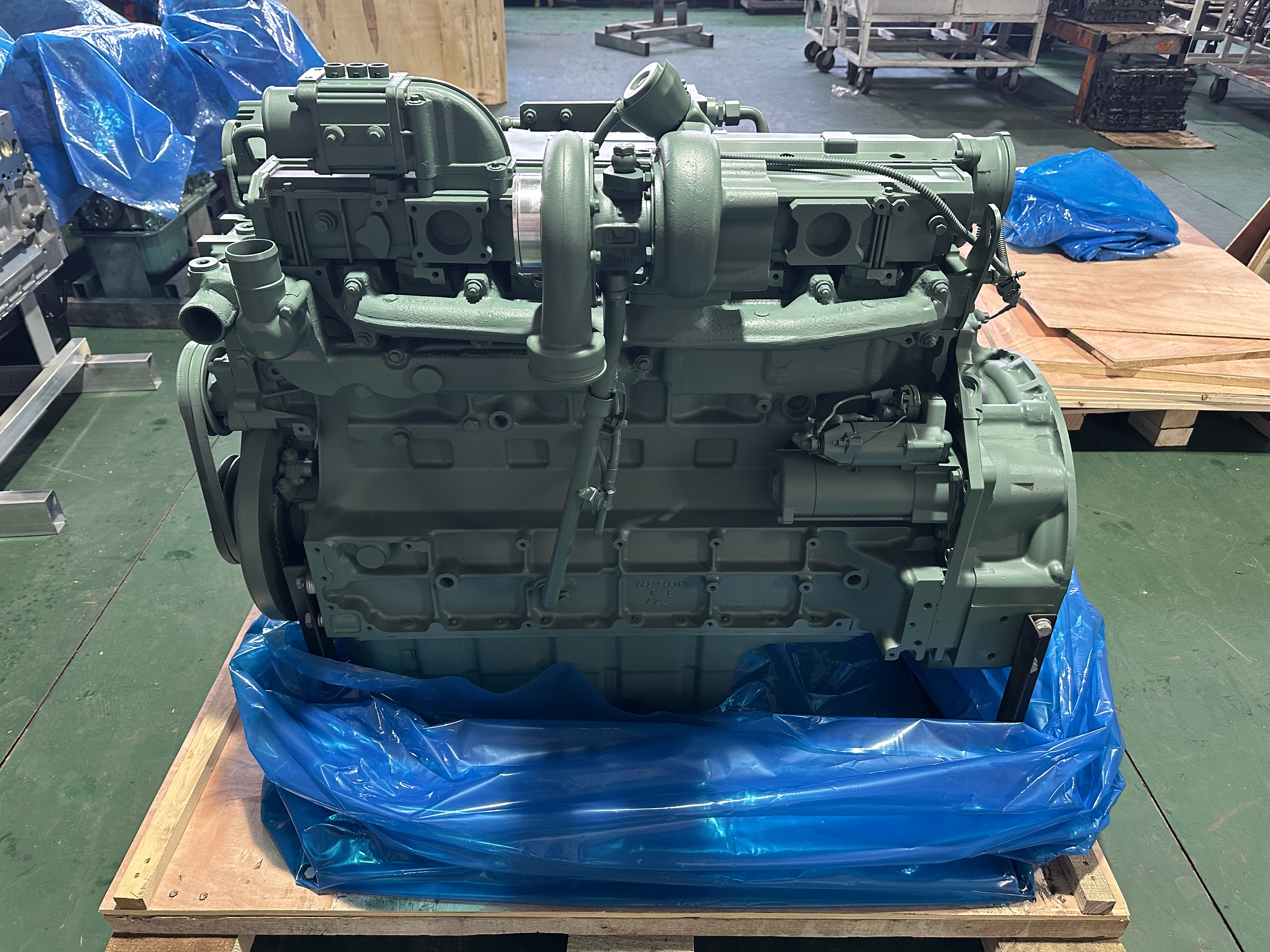
Winter operations in agricultural and industrial environments present unique challenges for heavy machinery, particularly when it comes to engine performance and reliability. The harsh conditions of freezing temperatures, snow, and ice demand robust engineering solutions that can withstand extreme weather while maintaining optimal functionality. Modern tractor engines equipped with advanced water cooling design of engine systems have revolutionized cold-weather operations, offering unprecedented reliability and performance even in the most demanding winter conditions.

The integration of sophisticated cooling systems with cold-start capabilities has transformed how agricultural equipment operates during winter months. These technological advances ensure that tractors and harvesters can start reliably in sub-zero temperatures while maintaining engine longevity and fuel efficiency. The water cooling design of engine technology plays a crucial role in managing thermal dynamics during both startup and continuous operation in freezing conditions.
Advanced Engine Cooling Technologies for Winter Performance
Thermal Management Systems in Cold Environments
Effective thermal management becomes critical when agricultural machinery operates in freezing temperatures. The water cooling design of engine systems incorporates specialized components that prevent coolant freezing while ensuring optimal heat distribution throughout the engine block. These systems utilize advanced antifreeze formulations and sophisticated circulation patterns that maintain consistent temperatures even during extended periods of inactivity in cold storage conditions.
Modern cooling systems feature thermostatic controls that automatically adjust coolant flow based on ambient temperature and engine load conditions. This intelligent approach to thermal management ensures that engines reach operating temperature quickly during cold starts while preventing overheating during intensive work cycles. The water cooling design of engine technology includes multiple temperature sensors and electronic control units that continuously monitor and optimize cooling performance.
Cold-Start Enhancement Features
Contemporary tractor engines incorporate numerous cold-start enhancement features designed to facilitate reliable ignition in freezing conditions. These include engine block heaters, coolant heating elements, and advanced fuel injection timing systems that adapt to low-temperature conditions. The water cooling design of engine systems works in conjunction with these features to ensure rapid heat distribution once the engine begins operation.
Pre-heating systems integrated into the cooling circuit allow operators to warm the engine before attempting cold starts, significantly reducing wear and improving reliability. These systems can be activated remotely or programmed to operate automatically before scheduled work periods, ensuring that machinery is ready for immediate use regardless of overnight temperatures.
Engineering Specifications for Winter-Ready Engines
Material Selection and Durability Considerations
The construction of winter-ready tractor engines requires careful material selection to withstand thermal cycling and potential freeze-thaw damage. Engine blocks manufactured from high-grade cast iron or aluminum alloys provide superior thermal conductivity while resisting cracking under extreme temperature variations. The water cooling design of engine components includes corrosion-resistant materials that maintain integrity despite exposure to road salt and de-icing chemicals commonly encountered in winter agricultural operations.
Gasket materials and sealing systems undergo rigorous testing to ensure they maintain flexibility and sealing capability across wide temperature ranges. Advanced polymer compounds and elastomers used in cooling system components resist brittleness at low temperatures while maintaining their sealing properties throughout the engine's operational life.
Coolant Circuit Design and Flow Dynamics
Sophisticated coolant circuit design ensures optimal heat transfer and prevents localized freezing within the engine block. The water cooling design of engine systems incorporates multiple circulation paths that promote even heat distribution while eliminating dead zones where coolant might stagnate and freeze. Variable-speed water pumps automatically adjust circulation rates based on engine temperature and external conditions.
Modern cooling circuits feature bypass valves and thermostatic controls that redirect coolant flow during warm-up phases, allowing engines to reach operating temperature more quickly in cold conditions. This water cooling design of engine approach reduces engine wear during cold starts while improving fuel efficiency during the critical warm-up period.
Performance Benefits in Agricultural Applications
Operational Reliability in Harsh Conditions
Agricultural operations cannot afford equipment downtime during critical periods such as winter harvesting or snow removal activities. Engines equipped with advanced water cooling design of engine systems demonstrate exceptional reliability in harsh winter conditions, maintaining consistent power output and fuel efficiency even when ambient temperatures drop well below freezing. This reliability translates directly into improved productivity and reduced operational costs for agricultural businesses.
The robust design of winter-ready cooling systems minimizes maintenance requirements during peak usage periods, allowing operators to focus on productive work rather than equipment repairs. Advanced diagnostic systems integrated into the cooling circuit provide early warning of potential issues, enabling proactive maintenance scheduling that prevents unexpected breakdowns.
Fuel Efficiency and Environmental Impact
Efficient thermal management provided by sophisticated water cooling design of engine systems contributes significantly to improved fuel economy during winter operations. Engines that reach optimal operating temperature quickly consume less fuel during warm-up phases, while maintaining consistent temperatures throughout work cycles reduces overall energy consumption. This efficiency improvement becomes particularly important during extended winter work periods when fuel costs represent a significant portion of operational expenses.
Reduced emissions during cold-start operations represent another important benefit of advanced cooling system design. Engines equipped with modern water cooling design of engine technology produce fewer harmful emissions during startup and warm-up phases, contributing to environmental protection goals while meeting increasingly stringent regulatory requirements.
Maintenance and Longevity Considerations
Preventive Maintenance Protocols
Proper maintenance of cooling systems becomes even more critical in winter operating conditions where system failures can result in costly repairs and extended downtime. Regular inspection of coolant levels, antifreeze concentration, and system integrity should be performed before each winter season. The water cooling design of engine systems requires specific maintenance procedures that differ from standard cooling system care, particularly regarding cold-weather preparations.
Coolant replacement intervals may need adjustment for equipment operating primarily in winter conditions, as antifreeze degrades more rapidly under extreme temperature cycling. System flushing and component inspection should include specific attention to cold-weather components such as block heaters, thermostatic controls, and freeze protection devices.
Component Lifespan and Replacement Planning
Winter operating conditions can accelerate wear on certain cooling system components, making proactive replacement planning essential for maintaining system reliability. Thermostats, water pumps, and electronic control components may require more frequent replacement when subjected to extreme temperature variations. The water cooling design of engine systems incorporates diagnostic capabilities that monitor component performance and provide advance warning of impending failures.
Planned component replacement based on operating hour intervals and condition monitoring helps prevent unexpected failures during critical work periods. Modern cooling systems include easily replaceable components and modular designs that simplify maintenance procedures and reduce service time requirements.
FAQ
How does water cooling design of engine technology prevent freezing damage
Advanced water cooling design of engine systems prevent freezing damage through multiple protective mechanisms including specialized antifreeze formulations, continuous circulation pumps, and thermostatic controls that maintain minimum operating temperatures. These systems also incorporate freeze protection devices that automatically circulate coolant when temperatures approach critical thresholds, preventing ice formation within the engine block.
What maintenance is required for winter-ready cooling systems
Winter-ready cooling systems require regular coolant testing to ensure proper antifreeze concentration, inspection of heating elements and thermostatic controls, and verification of circulation pump operation. The water cooling design of engine systems should undergo comprehensive pre-season inspection including coolant replacement, system pressure testing, and verification of all cold-weather protection devices.
Can standard tractor engines be upgraded for better winter performance
Many standard tractor engines can be upgraded with enhanced cooling system components including block heaters, improved thermostats, and upgraded coolant pumps. However, comprehensive winter readiness typically requires factory-integrated water cooling design of engine systems that incorporate all necessary components from initial manufacture rather than aftermarket modifications.
How do modern cooling systems improve fuel efficiency in cold weather
Modern water cooling design of engine systems improve cold-weather fuel efficiency by reducing warm-up time through rapid heat circulation, maintaining optimal operating temperatures during variable load conditions, and incorporating intelligent controls that optimize coolant flow based on actual thermal requirements. These improvements can result in fuel savings of ten to fifteen percent during winter operations compared to standard cooling systems.