
 EN
EN
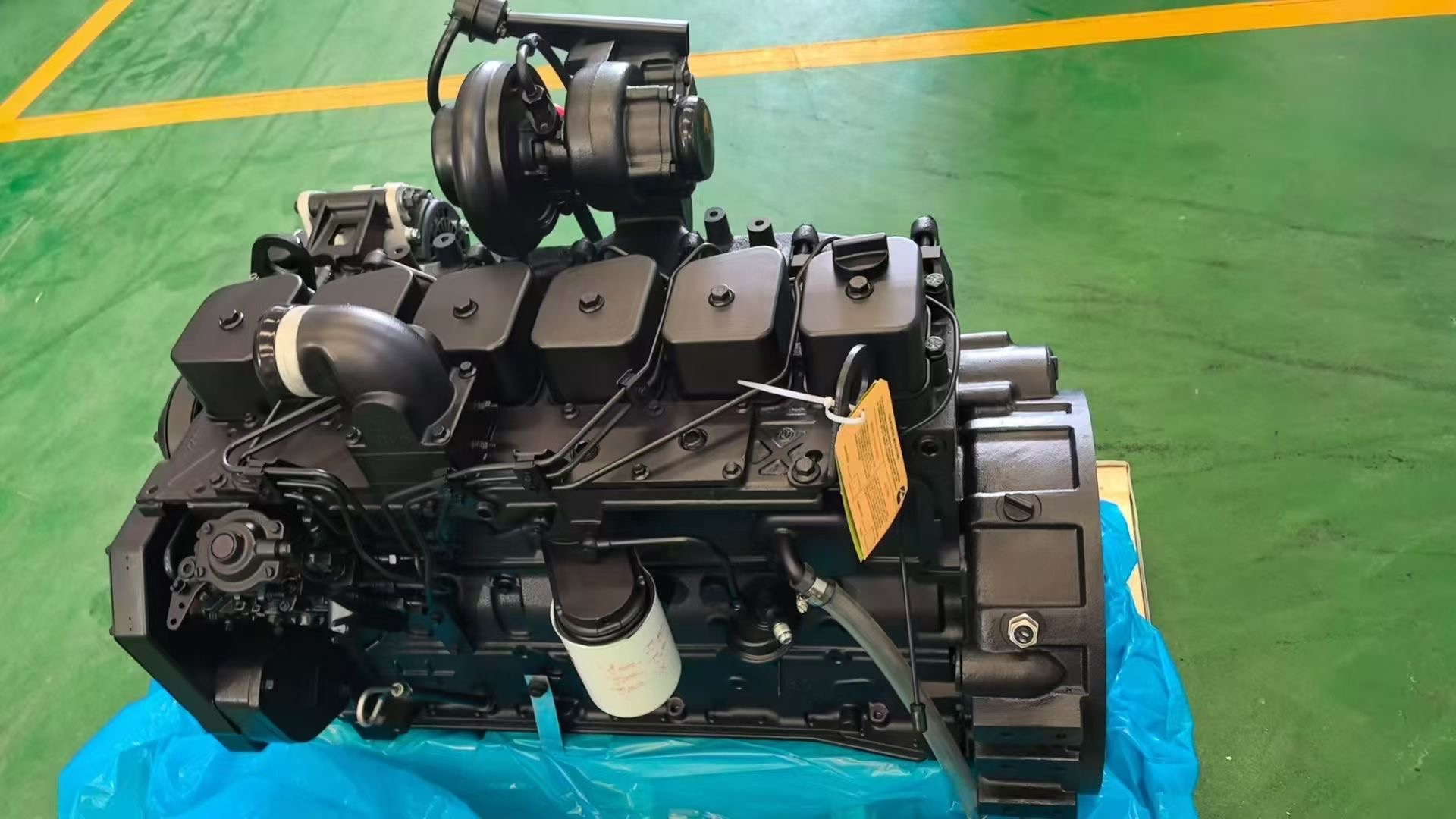
Marine diesel engines represent the backbone of commercial shipping, recreational boating, and offshore operations worldwide. These powerful propulsion systems demand rigorous maintenance protocols to ensure optimal performance, fuel efficiency, and longevity. Understanding the critical maintenance requirements for marine diesel engines helps vessel operators avoid costly breakdowns, reduce operating expenses, and maintain regulatory compliance. Proper fuel system maintenance stands as one of the most crucial aspects of marine diesel engines care, directly impacting engine reliability and operational safety.
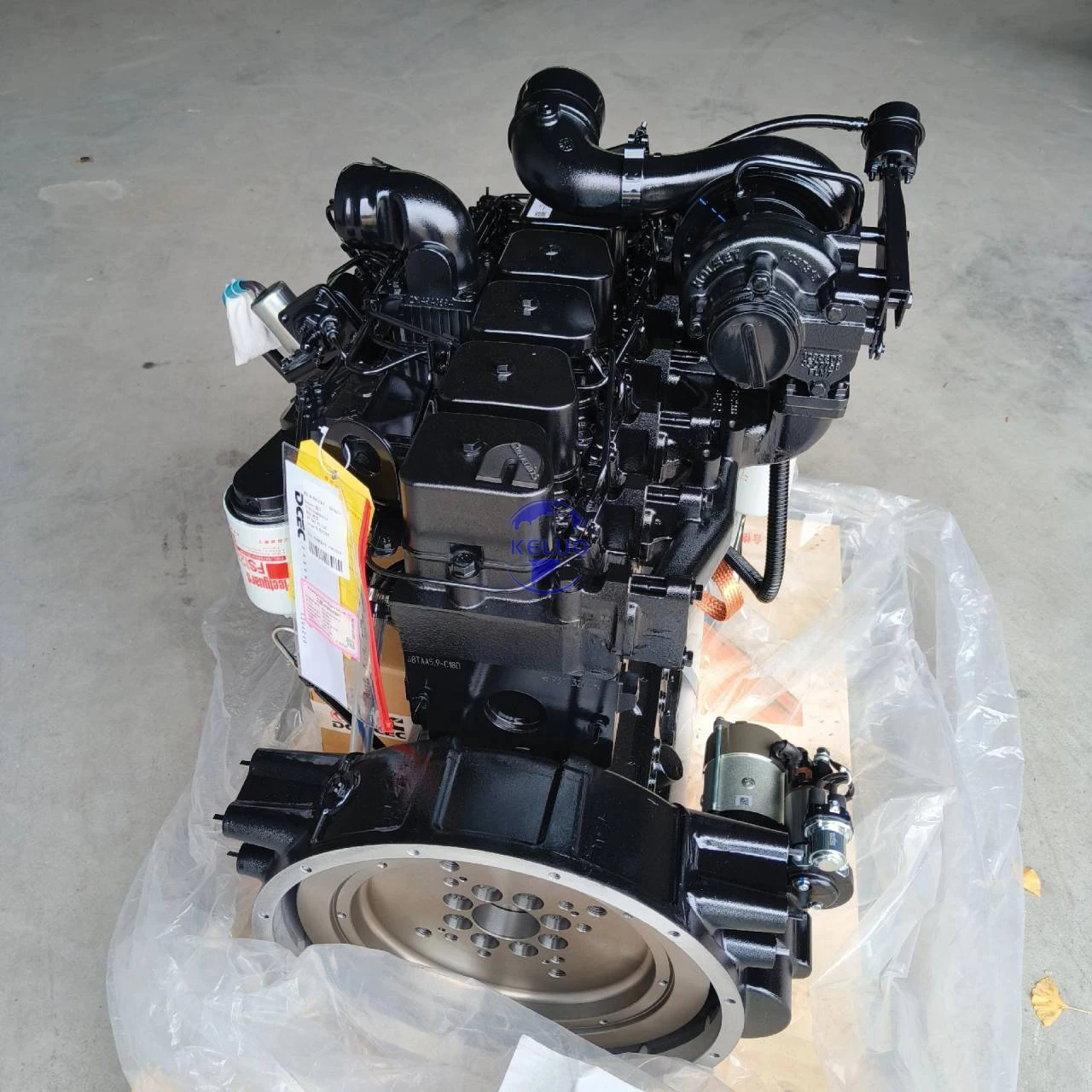
Essential Fuel System Components in Marine Diesel Engines
Primary Fuel Delivery Components
The fuel delivery system in marine diesel engines comprises several interconnected components that work together to supply clean, pressurized fuel to the combustion chambers. The primary fuel tank serves as the storage reservoir, typically constructed from corrosion-resistant materials to withstand marine environments. Fuel lines, made from reinforced rubber or stainless steel, transport diesel from the tank through various filtration stages before reaching the engine block.
Fuel pumps, both mechanical and electric variants, maintain proper pressure throughout the system while ensuring consistent flow rates. These pumps must operate reliably in challenging marine conditions, including rough seas and temperature fluctuations. The fuel injection system, consisting of high-pressure pumps, injectors, and control units, delivers precisely metered amounts of diesel to each cylinder at optimal timing intervals.
Critical Filtration and Separation Systems
Modern marine diesel engines incorporate multiple filtration stages to remove contaminants from fuel before combustion. Primary filters capture larger particles and water droplets, while secondary filters eliminate microscopic debris that could damage precision injection components. Water separators play a vital role in removing moisture from diesel fuel, preventing corrosion and combustion issues that commonly affect marine diesel engines in humid maritime environments.
Fuel polishing systems, increasingly common on larger vessels, continuously circulate and clean stored diesel through advanced filtration media. These systems remove biological growth, oxidation products, and accumulated sediments that develop during extended storage periods. Regular maintenance of these filtration components ensures marine diesel engines receive clean, dry fuel essential for optimal combustion efficiency and component longevity.
Preventive Maintenance Schedules for Optimal Performance
Daily and Weekly Inspection Protocols
Successful maintenance of marine diesel engines begins with consistent daily inspections that identify potential issues before they escalate into major problems. Operators should visually inspect fuel lines for leaks, cracks, or signs of deterioration, paying particular attention to connection points and areas subject to vibration. Checking fuel levels and monitoring consumption rates helps identify unusual patterns that might indicate developing problems within the fuel system.
Weekly maintenance routines should include examining fuel filters for contamination levels and replacing elements according to manufacturer specifications. Water separator bowls require regular draining to remove accumulated moisture, particularly in marine environments where condensation readily forms in fuel tanks. These routine checks help maintain the reliability that marine diesel engines require for safe navigation and efficient operation.
Monthly and Quarterly Service Requirements
Monthly maintenance schedules for marine diesel engines should encompass comprehensive fuel system inspections, including pressure testing of fuel lines and connections. Fuel injector performance testing helps identify worn or clogged components that could reduce engine efficiency or cause uneven combustion. Regular calibration of fuel delivery systems ensures marine diesel engines operate within optimal parameters for both performance and emissions compliance.
Quarterly maintenance intervals provide opportunities for more extensive fuel system servicing, including replacement of fuel pumps, comprehensive filter changes, and fuel tank cleaning procedures. These deeper maintenance activities help prevent the accumulation of contaminants that could compromise marine diesel engines performance over extended operating periods. Professional technicians should conduct these quarterly services to ensure proper procedures and component specifications are followed.
Common Fuel System Problems and Prevention Strategies
Water Contamination Issues
Water contamination represents one of the most persistent challenges facing marine diesel engines, stemming from condensation, fuel contamination during transfer, or damaged tank seals. Free water in fuel systems promotes bacterial and fungal growth, creating acidic compounds that corrode fuel system components and clog filters. This biological contamination can rapidly spread throughout fuel systems, requiring extensive cleaning and component replacement.
Prevention strategies include installing effective water separation equipment, maintaining proper fuel tank ventilation, and using fuel additives designed to prevent biological growth. Regular testing of fuel samples helps identify water contamination early, allowing operators to address issues before they impact marine diesel engines performance. Proper fuel storage procedures, including regular tank draining and cleaning, significantly reduce water contamination risks in marine applications.
Fuel Quality and Contamination Control
Poor fuel quality poses significant risks to marine diesel engines, including injector damage, reduced combustion efficiency, and increased emissions. Contaminants such as dirt, rust particles, and chemical additives can accumulate in fuel systems, causing premature wear of precision components. Marine environments expose fuel systems to additional contamination sources, including salt spray, atmospheric moisture, and temperature variations that accelerate fuel degradation.
Implementing comprehensive fuel quality control measures helps protect marine diesel engines from contamination-related damage. These measures include source verification of fuel supplies, proper fuel transfer procedures, and regular fuel analysis to monitor quality parameters. Installing high-efficiency filtration systems and maintaining proper fuel storage conditions significantly reduces contamination risks while extending the service life of fuel system components.
Advanced Maintenance Technologies and Techniques
Fuel System Monitoring and Diagnostics
Modern marine diesel engines benefit from advanced monitoring systems that continuously track fuel system performance parameters. Electronic fuel injection systems provide real-time data on injection timing, fuel pressure, and flow rates, enabling operators to identify developing problems before they cause significant damage. Automated monitoring systems can alert crew members to abnormal conditions, facilitating prompt corrective action to maintain engine reliability.
Diagnostic tools specifically designed for marine diesel engines help technicians pinpoint fuel system issues with greater precision than traditional methods. These tools can analyze injection patterns, measure fuel pressure variations, and identify worn components that require replacement. Regular diagnostic testing helps optimize marine diesel engines performance while reducing unexpected failures during critical operations.
Predictive Maintenance Approaches
Predictive maintenance strategies leverage data analysis and trend monitoring to anticipate fuel system maintenance needs before problems occur. By tracking key performance indicators such as fuel consumption rates, filter pressure differentials, and injection system parameters, operators can schedule maintenance activities at optimal intervals. This approach maximizes marine diesel engines reliability while minimizing downtime and maintenance costs.
Implementing predictive maintenance requires comprehensive record-keeping and analysis of historical performance data. Advanced software systems can identify patterns and trends that indicate developing problems, allowing maintenance teams to address issues proactively. This systematic approach helps extend the operational life of marine diesel engines while reducing the likelihood of unexpected failures in demanding marine environments.
Environmental Considerations and Regulatory Compliance
Emission Control and Fuel Quality Standards
Environmental regulations increasingly impact the operation and maintenance of marine diesel engines, requiring compliance with strict emission standards and fuel quality specifications. International Maritime Organization regulations mandate specific fuel sulfur content limits, necessitating careful fuel selection and system modifications to ensure compliance. These requirements directly influence maintenance procedures and component selection for marine diesel engines operating in regulated waters.
Maintaining compliance requires regular monitoring of exhaust emissions and fuel quality parameters, often necessitating specialized equipment and testing procedures. Fuel system maintenance must account for the use of low-sulfur fuels, which may have different storage and handling requirements compared to traditional marine diesel. Operators must ensure their maintenance procedures align with current environmental regulations to avoid penalties and operational restrictions.
Sustainable Maintenance Practices
Sustainable maintenance practices for marine diesel engines focus on reducing environmental impact while maintaining operational efficiency. Proper disposal of used filters, contaminated fuel, and cleaning solvents helps minimize marine pollution and comply with environmental regulations. Implementing fuel polishing systems and advanced filtration technologies reduces waste generation while extending fuel life and system component durability.
Energy-efficient maintenance procedures and equipment selections contribute to overall sustainability goals while maintaining marine diesel engines performance standards. Using biodegradable cleaning products and implementing waste reduction strategies helps marine operators minimize their environmental footprint while ensuring regulatory compliance. These practices often result in long-term cost savings through reduced waste disposal fees and improved fuel efficiency.
Cost-Effective Maintenance Planning and Implementation
Budget Optimization Strategies
Effective maintenance planning for marine diesel engines requires balancing maintenance costs with operational reliability requirements. Developing comprehensive maintenance budgets that account for routine servicing, unexpected repairs, and component replacements helps operators manage costs while ensuring adequate system care. Strategic procurement of maintenance supplies and spare parts can significantly reduce overall maintenance expenses through bulk purchasing and vendor negotiations.
Implementing condition-based maintenance approaches helps optimize maintenance spending by focusing resources on components that actually require service rather than following rigid schedules. This strategy requires investment in monitoring equipment but often results in significant cost savings through reduced unnecessary maintenance and extended component life. Marine diesel engines benefit from this targeted approach, which maximizes return on maintenance investment while maintaining high reliability standards.
Training and Personnel Development
Proper training of maintenance personnel significantly impacts the effectiveness and cost-efficiency of marine diesel engines maintenance programs. Well-trained technicians can identify problems early, perform maintenance procedures correctly, and avoid costly mistakes that could damage expensive components. Investing in ongoing training programs ensures maintenance teams stay current with evolving technology and best practices for marine diesel engines care.
Developing internal expertise reduces dependence on external service providers while improving maintenance quality and reducing costs. Training programs should cover fuel system theory, diagnostic procedures, and hands-on maintenance techniques specific to marine diesel engines applications. Regular skills assessment and continuing education help maintain high standards of maintenance quality while building organizational capability for complex maintenance tasks.
FAQ
How often should fuel filters be replaced in marine diesel engines?
Fuel filter replacement intervals for marine diesel engines depend on operating conditions, fuel quality, and manufacturer recommendations. Primary filters typically require replacement every 250-500 operating hours, while secondary filters may need changing every 500-1000 hours. However, contaminated fuel or harsh operating conditions may necessitate more frequent replacements to maintain optimal engine performance.
What are the signs of water contamination in marine diesel fuel systems?
Water contamination in marine diesel engines manifests through several warning signs including rough idling, reduced power output, white or gray exhaust smoke, and frequent filter clogging. Fuel samples may appear cloudy or show visible water separation, while biological growth can create dark, sludgy deposits in fuel tanks and lines. Regular fuel testing and visual inspections help detect contamination early.
Can poor fuel quality permanently damage marine diesel engines?
Poor fuel quality can cause significant and sometimes permanent damage to marine diesel engines, particularly affecting precision injection components, fuel pumps, and combustion chambers. Contaminated fuel can score cylinder walls, damage injector nozzles, and cause premature wear of high-pressure fuel system components. Prevention through proper filtration and fuel quality management is far more cost-effective than repairing contamination-related damage.
What maintenance records should be kept for marine diesel engines fuel systems?
Comprehensive maintenance records for marine diesel engines should include filter replacement dates, fuel quality test results, system pressure readings, and any repairs or component replacements. Documentation should also track fuel consumption patterns, operating hours, and any unusual symptoms or performance issues. These records help identify trends, support warranty claims, and demonstrate regulatory compliance during inspections.
Table of Contents
- Essential Fuel System Components in Marine Diesel Engines
- Preventive Maintenance Schedules for Optimal Performance
- Common Fuel System Problems and Prevention Strategies
- Advanced Maintenance Technologies and Techniques
- Environmental Considerations and Regulatory Compliance
- Cost-Effective Maintenance Planning and Implementation
- FAQ