
 EN
EN
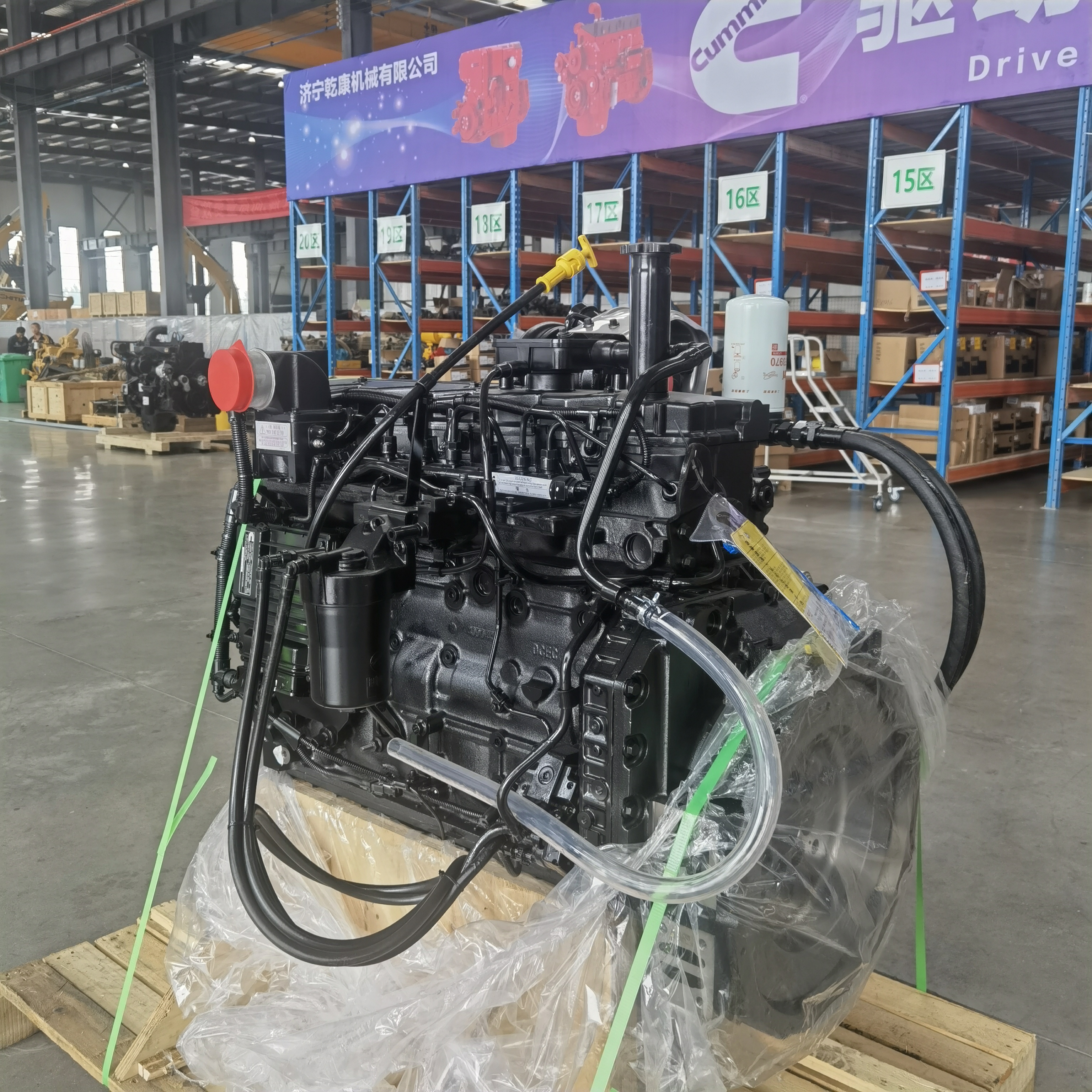
When faced with excavator downtime due to engine problems, operators must make a critical decision between attempting DIY repairs or seeking professional service. This choice significantly impacts operational costs, project timelines, and equipment longevity. Understanding the complexities involved in excavator engine repair helps determine the most appropriate approach for your specific situation and technical capabilities.
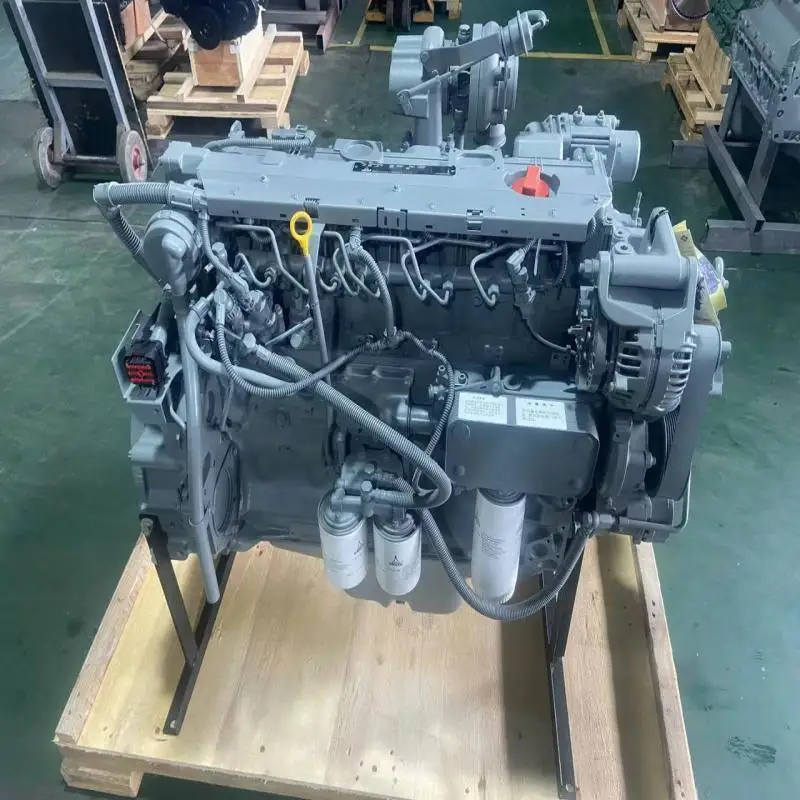
Modern excavators rely on sophisticated diesel engines that power hydraulic systems, track drives, and auxiliary equipment. These engines operate under extreme conditions including heavy loads, dusty environments, and extended operating hours. The complexity of contemporary excavator powerplants requires specialized knowledge and diagnostic equipment for effective troubleshooting and repair procedures.
Understanding Excavator Engine Complexity
Advanced Electronic Control Systems
Today's excavator engines incorporate advanced electronic control modules that manage fuel injection timing, turbocharger boost pressure, and emission control systems. These sophisticated components require specialized diagnostic tools and software to properly assess engine performance parameters. Professional technicians utilize manufacturer-specific scan tools to retrieve fault codes and monitor real-time engine data during excavator engine repair procedures.
The integration of common rail fuel injection systems adds another layer of complexity to modern excavator powerplants. These high-pressure fuel systems operate at pressures exceeding 2000 bar and require precise calibration for optimal performance. Attempting repairs without proper equipment and training can result in catastrophic engine damage and expensive component replacement costs.
Emissions Control Technology
Modern excavators incorporate sophisticated emissions control systems including diesel particulate filters, selective catalytic reduction, and exhaust gas recirculation components. These systems require specific regeneration procedures and fluid quality specifications that must be followed precisely during maintenance and repair operations. Improper handling of emissions components can trigger expensive warranty voiding and regulatory compliance issues.
The interconnected nature of emissions control systems means that seemingly simple repairs can affect multiple engine subsystems. Professional technicians understand these relationships and perform comprehensive system checks to ensure proper operation after completing excavator engine repair procedures.
DIY Repair Capabilities and Limitations
Basic Maintenance Tasks
Operators with mechanical aptitude can successfully perform routine maintenance tasks including oil changes, filter replacements, and basic cooling system service. These preventive maintenance procedures help extend engine life and prevent more serious mechanical failures. Having the proper tools, workspace, and genuine replacement parts enables successful completion of basic excavator engine repair tasks.
Simple diagnostic procedures such as checking fluid levels, inspecting belts and hoses, and monitoring engine warning lights provide valuable information about engine condition. Operators who maintain detailed service records and follow manufacturer maintenance schedules can often identify potential problems before they result in major engine failures requiring professional intervention.
Technical Skill Requirements
Successful DIY excavator engine repair requires understanding of diesel engine operating principles, hydraulic system interactions, and electrical troubleshooting procedures. Operators must possess the ability to interpret technical service manuals, wiring diagrams, and hydraulic schematics to effectively diagnose and repair engine problems. Without this foundational knowledge, DIY repair attempts often create additional problems and increase overall repair costs.
The physical demands of excavator engine repair work should not be underestimated. Engine components are heavy and require proper lifting equipment and techniques to prevent injury. Working in confined engine compartments requires flexibility and patience, especially when accessing components located behind other systems or in difficult positions.
Professional Service Advantages
Specialized Equipment and Tools
Professional repair facilities possess manufacturer-specific diagnostic equipment, hydraulic test stands, and precision measurement tools required for accurate troubleshooting and repair procedures. These specialized tools often cost thousands of dollars and require regular calibration to maintain accuracy. Professional technicians also have access to technical service bulletins and updated repair procedures that may not be available to individual operators.
The availability of proper lifting equipment, engine hoists, and component cleaning systems enables professional shops to perform excavator engine repair work safely and efficiently. These facilities maintain adequate parts inventory and can source genuine replacement components quickly to minimize equipment downtime.
Technical Expertise and Training
Certified technicians receive ongoing factory training on new engine technologies, diagnostic procedures, and repair techniques. This continuous education ensures they remain current with evolving engine management systems and emission control requirements. Professional technicians also have experience with common failure patterns and can quickly identify root causes of engine problems.
The warranty protection provided by professional repair facilities offers valuable peace of mind for operators. Quality repair shops stand behind their work and will address any problems that arise after completing excavator engine repair services, providing additional protection against unexpected failures.
Cost Analysis and Decision Factors
Initial Investment Considerations
DIY excavator engine repair requires significant upfront investment in tools, diagnostic equipment, and training materials. While this investment may pay off over multiple repair cycles, the initial costs can be substantial for operators with limited mechanical experience. Professional service eliminates these upfront costs but typically charges higher hourly labor rates for completed work.
The hidden costs of DIY repairs include potential mistakes that create additional damage, extended downtime while learning procedures, and the opportunity cost of time spent on repairs instead of productive work. These factors must be considered when evaluating the true cost of DIY versus professional excavator engine repair approaches.
Long-term Economic Impact
Professional repairs often include comprehensive inspections that identify potential problems before they cause failures. This preventive approach can reduce long-term operating costs and extend equipment life significantly. Professional technicians also ensure that repairs meet manufacturer specifications and warranty requirements, protecting the equipment's resale value.
The reliability of professional repairs reduces the risk of unexpected failures during critical project phases. This reliability factor is particularly important for contractors working under tight deadlines or in remote locations where equipment failures create significant project delays and additional costs.
Safety and Risk Management
Workshop Safety Requirements
Excavator engine repair work involves exposure to hot surfaces, pressurized fluids, and heavy components that require proper safety protocols and protective equipment. Professional repair facilities maintain comprehensive safety programs, emergency procedures, and insurance coverage that protect both technicians and equipment owners from liability exposure.
The use of proper ventilation systems, fire suppression equipment, and hazardous material handling procedures ensures safe working conditions during excavator engine repair operations. DIY operators must invest in similar safety equipment and training to protect themselves and comply with workplace safety regulations.
Environmental Compliance
Professional repair facilities maintain proper waste oil collection systems, coolant recycling equipment, and hazardous material disposal procedures required by environmental regulations. These compliance requirements can be complex and costly for individual operators to implement properly. Improper disposal of engine fluids and contaminated parts can result in significant environmental penalties and cleanup costs.
The documentation requirements for environmental compliance include detailed records of fluid disposal, parts recycling, and emission control system modifications. Professional facilities maintain these records as part of their standard operating procedures, ensuring compliance with all applicable environmental regulations.
Making the Right Choice
Evaluating Your Capabilities
Honest assessment of technical skills, available tools, and time constraints helps determine the most appropriate approach for excavator engine repair needs. Operators with extensive mechanical backgrounds and well-equipped workshops may successfully handle many repair procedures, while those with limited experience should focus on basic maintenance tasks and rely on professionals for complex repairs.
The frequency of repairs and variety of equipment in a fleet also influences the DIY versus professional service decision. Large fleets with dedicated maintenance staff may justify investment in specialized tools and training, while small operators typically benefit more from establishing relationships with qualified professional service providers.
Strategic Service Planning
Developing a comprehensive maintenance strategy that combines DIY capabilities with professional service relationships provides optimal cost control and equipment reliability. This hybrid approach allows operators to handle routine maintenance while ensuring complex excavator engine repair procedures are performed by qualified technicians with appropriate equipment and expertise.
Regular communication with professional service providers helps operators stay informed about emerging engine technologies, maintenance best practices, and potential problem areas specific to their equipment models. This ongoing relationship provides valuable support for making informed decisions about repair approaches and timing.
FAQ
What types of excavator engine repairs should always be left to professionals
Complex engine rebuilds, fuel injection system repairs, turbocharger replacement, and emission control system diagnostics should always be performed by qualified professionals. These procedures require specialized tools, calibration equipment, and extensive technical knowledge that most operators do not possess. Attempting these repairs without proper expertise often results in additional damage and higher overall costs.
How can I determine if my excavator engine problem requires professional attention
Warning signs that indicate the need for professional excavator engine repair include persistent fault codes, unusual engine noises, excessive smoke production, and significant power loss. If basic troubleshooting procedures do not resolve the problem or if multiple symptoms occur simultaneously, professional diagnosis is recommended to prevent further damage and ensure proper repair procedures.
What should I look for when selecting a professional excavator repair service
Choose repair facilities with certified technicians, manufacturer-specific diagnostic equipment, and experience with your equipment brand and model. Verify that the facility maintains proper environmental compliance, offers warranty protection on completed work, and can provide references from other excavator operators. Additionally, ensure they maintain adequate parts inventory and can complete repairs within acceptable timeframes.
Can DIY repairs void my excavator warranty coverage
Improper DIY repairs can potentially void warranty coverage if they cause additional damage or if non-genuine parts are used. Always consult your warranty documentation and manufacturer guidelines before attempting any excavator engine repair procedures. When warranty coverage is still active, professional service through authorized dealers is typically the safest approach to maintain protection and ensure proper repair procedures are followed.