
 EN
EN
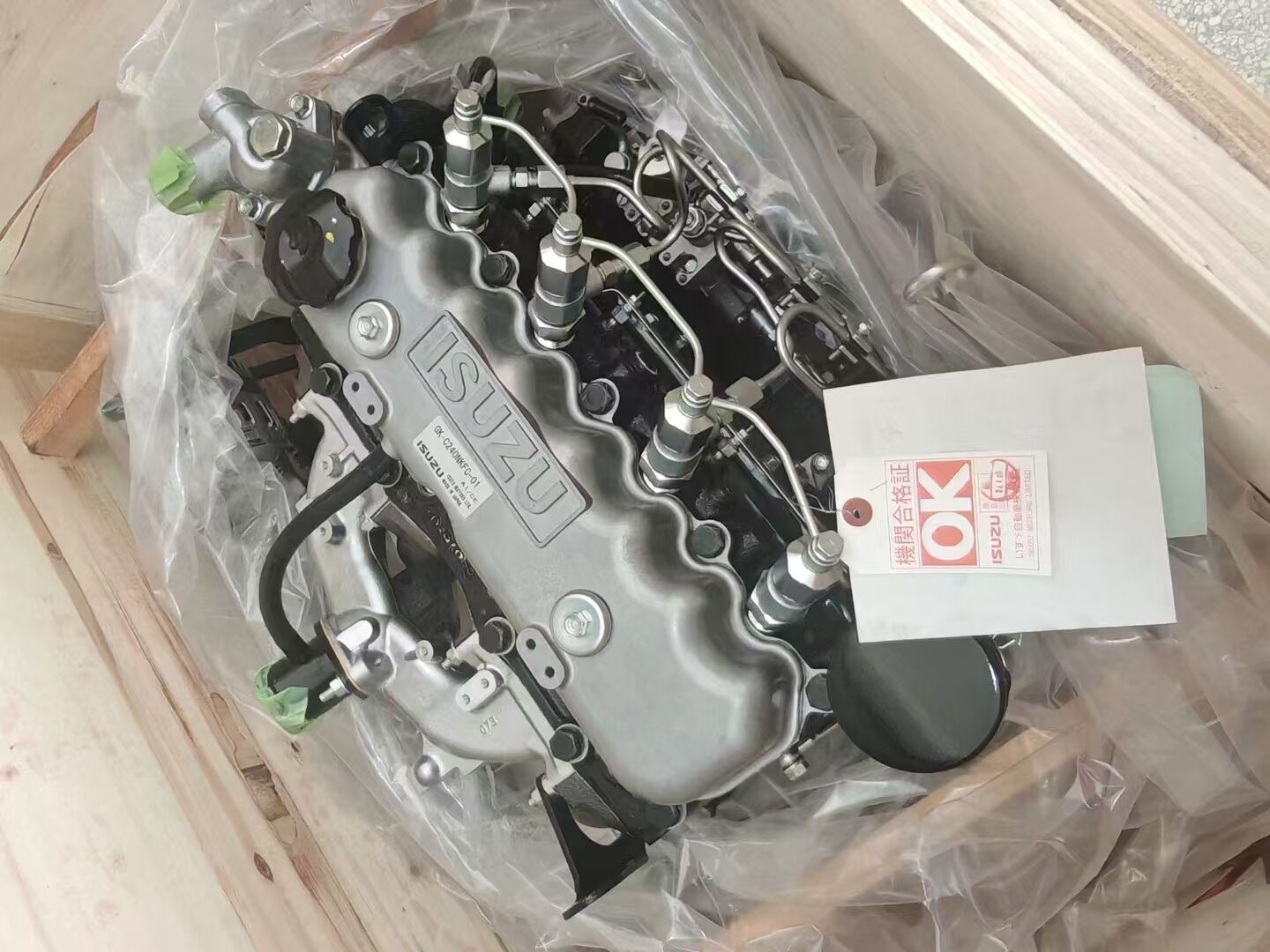
The industrial machinery sector continues to evolve rapidly, with diesel engine assembly systems becoming increasingly sophisticated and efficient. As we approach 2026, manufacturers are demanding more reliable, fuel-efficient, and environmentally compliant power solutions for their heavy equipment applications. Modern diesel engine assembly units are engineered to meet stringent emission standards while delivering exceptional performance across diverse operating conditions. Understanding the latest specifications and model variations is crucial for equipment manufacturers, fleet operators, and maintenance professionals who rely on these robust powertrains.

Evolution of Modern Diesel Engine Technology
Advanced Fuel Injection Systems
Contemporary diesel engine assembly designs incorporate cutting-edge common rail fuel injection technology that optimizes combustion efficiency. These systems deliver precise fuel metering at pressures exceeding 2,000 bar, resulting in improved power output and reduced emissions. The electronic control units monitor multiple parameters simultaneously, adjusting injection timing and duration based on real-time operating conditions. This technological advancement has revolutionized how diesel engine assembly units perform under varying load demands.
Modern fuel injection systems also feature multiple injection events per combustion cycle, including pilot injections that reduce noise and main injections that maximize power delivery. The integration of piezoelectric injectors enables faster response times and more accurate fuel delivery compared to traditional solenoid-based systems. These improvements contribute significantly to the overall efficiency and longevity of diesel engine assembly applications across industrial sectors.
Emission Control Integration
The latest diesel engine assembly configurations incorporate comprehensive aftertreatment systems designed to meet Tier 4 Final and Stage V emission regulations. Selective Catalytic Reduction technology, combined with Diesel Particulate Filters, reduces nitrogen oxide and particulate matter emissions by over 95 percent compared to earlier generations. These systems require precise calibration and integration with engine management systems to maintain optimal performance.
Exhaust Gas Recirculation systems have also evolved to include cooled EGR circuits that reduce combustion temperatures while maintaining power output. The sophisticated control algorithms manage the balance between emission reduction and fuel efficiency, ensuring that diesel engine assembly units comply with environmental regulations without compromising operational effectiveness. Regular maintenance of these emission control components is essential for sustained performance and regulatory compliance.
Leading Manufacturer Specifications and Models
Heavy-Duty Industrial Applications
Industrial diesel engine assembly units designed for heavy-duty applications typically feature displacement ranges from 4.0 to 15.0 liters, delivering power outputs between 130 and 600 horsepower. These engines incorporate reinforced cylinder blocks, forged steel crankshafts, and advanced cooling systems to withstand continuous operation under extreme conditions. The robust construction ensures reliable performance in construction equipment, agricultural machinery, and stationary power generation applications.
Manufacturers have focused on developing modular diesel engine assembly designs that allow for easier maintenance and component replacement. Accessible service points, extended service intervals, and diagnostic capabilities reduce downtime and operational costs. The integration of electronic monitoring systems provides real-time data on engine performance, enabling predictive maintenance strategies that maximize equipment availability and minimize unexpected failures.
Compact and Mid-Range Solutions
Smaller displacement diesel engine assembly options, ranging from 2.0 to 6.0 liters, serve applications requiring portability and space efficiency while maintaining substantial power delivery. These engines often feature turbocharging and intercooling to maximize power density, achieving specific power outputs exceeding 60 horsepower per liter. The compact design allows integration into smaller machinery platforms without sacrificing performance capabilities.
Advanced materials and manufacturing techniques have enabled weight reduction in compact diesel engine assembly units while maintaining structural integrity. Aluminum cylinder heads, composite intake manifolds, and optimized casting processes contribute to improved power-to-weight ratios. These developments benefit mobile equipment applications where weight distribution and fuel efficiency are critical performance factors.
Performance Optimization and Efficiency
Thermal Management Systems
Effective thermal management is crucial for maximizing diesel engine assembly performance and longevity. Modern cooling systems incorporate variable-speed fans, electronically controlled thermostats, and optimized coolant flow paths to maintain consistent operating temperatures. Advanced radiator designs with improved heat transfer coefficients ensure adequate cooling capacity even in high ambient temperature conditions.
Oil cooling systems have evolved to include dedicated circuits that maintain optimal lubricant temperatures under varying load conditions. The integration of oil-to-coolant heat exchangers provides precise temperature control while reducing warm-up times and improving fuel efficiency during cold starts. These thermal management improvements contribute significantly to reduced maintenance requirements and extended service intervals for diesel engine assembly units.
Electronic Control and Monitoring
Contemporary diesel engine assembly systems feature sophisticated Engine Control Modules that manage all aspects of engine operation through real-time sensor feedback. These systems monitor parameters including boost pressure, exhaust gas temperature, fuel rail pressure, and emission system performance. The electronic controls optimize engine operation for specific applications, adjusting parameters to maximize efficiency or power output based on operating requirements.
Diagnostic capabilities integrated into modern diesel engine assembly units enable comprehensive fault detection and troubleshooting. CAN bus communication protocols allow integration with machine control systems, providing operators with detailed performance data and maintenance alerts. These electronic systems significantly reduce diagnostic time and improve overall equipment reliability through proactive maintenance scheduling and fault prevention.
Maintenance and Service Considerations
Preventive Maintenance Protocols
Establishing comprehensive preventive maintenance schedules is essential for maximizing diesel engine assembly service life and maintaining optimal performance. Regular oil and filter changes, cooling system maintenance, and air intake system cleaning prevent premature wear and ensure consistent power delivery. Modern engines feature extended service intervals, with some applications requiring major maintenance only every 500 to 1,000 operating hours.
Fuel system maintenance has become increasingly important with the complexity of modern injection systems. High-pressure fuel pumps, injectors, and common rail components require clean, high-quality fuel to prevent damage and maintain performance. Regular fuel filter replacement and fuel system cleaning help prevent costly repairs and maintain the precision required for optimal diesel engine assembly operation.
Troubleshooting Common Issues
Understanding common failure modes in diesel engine assembly systems enables faster diagnosis and repair. Turbocharger-related issues, such as bearing wear or compressor blade damage, often manifest as reduced power output or excessive exhaust smoke. Regular inspection of turbocharger components and maintaining proper oil supply prevents most turbocharger failures and extends component life significantly.
Emission system components require specialized attention due to their sensitivity to fuel quality and operating conditions. Diesel Particulate Filter regeneration cycles, SCR catalyst efficiency, and DEF system functionality must be monitored regularly to ensure continued compliance with emission regulations. Proper diagnostic procedures and specialized tools are essential for maintaining these sophisticated diesel engine assembly emission control systems.
Future Trends and Developments
Hybrid and Alternative Fuel Integration
The evolution toward hybrid powertrains is influencing diesel engine assembly design, with manufacturers developing engines optimized for integration with electric motor systems. These hybrid configurations require precise coordination between diesel and electric power sources to maximize efficiency and reduce emissions. The diesel engine assembly components in hybrid systems are often designed to operate at optimal efficiency points rather than across broad power ranges.
Alternative fuel compatibility is becoming increasingly important, with diesel engine assembly units designed to operate on biodiesel blends, renewable diesel, and other sustainable fuel options. These fuels require careful consideration of fuel system materials, injection system calibration, and emission control system compatibility. Manufacturers are developing flexible fuel systems that can adapt to various fuel compositions while maintaining performance and reliability standards.
Connected Technology and IoT Integration
Internet of Things integration is transforming how diesel engine assembly systems are monitored and maintained. Remote monitoring capabilities enable predictive maintenance strategies based on actual operating conditions rather than predetermined schedules. These connected systems can identify developing issues before they result in failures, reducing downtime and maintenance costs significantly.
Machine learning algorithms analyze vast amounts of operational data from diesel engine assembly units to optimize performance parameters and predict component life. This data-driven approach enables manufacturers to continuously improve engine designs and maintenance protocols based on real-world performance feedback. The integration of artificial intelligence in engine management systems represents the next frontier in diesel engine assembly technology development.
FAQ
What are the key factors to consider when selecting a diesel engine assembly for industrial applications
When choosing a diesel engine assembly for industrial use, consider power requirements, duty cycle, emission compliance needs, and maintenance accessibility. Evaluate the engine's power curve to ensure it matches your application's load profile, and verify that the cooling and lubrication systems are adequate for your operating environment. Additionally, assess the availability of service support and replacement parts in your geographic area to ensure long-term operational viability.
How do modern emission control systems affect diesel engine assembly maintenance requirements
Contemporary emission control systems significantly impact maintenance procedures for diesel engine assembly units, requiring specialized diagnostic tools and procedures. Diesel Exhaust Fluid consumption monitoring, Diesel Particulate Filter regeneration cycles, and SCR catalyst performance must be regularly assessed. These systems are sensitive to fuel quality and require adherence to specific maintenance intervals to prevent costly repairs and ensure continued emission compliance.
What performance improvements can be expected from the latest diesel engine assembly technology
Modern diesel engine assembly designs typically deliver 15-25 percent better fuel efficiency compared to previous generations while meeting stringent emission standards. Advanced turbocharging, optimized combustion chamber designs, and sophisticated fuel injection systems contribute to improved power density and reduced specific fuel consumption. Additionally, extended service intervals and enhanced diagnostic capabilities reduce overall operating costs and improve equipment availability.
How important is fuel quality for modern diesel engine assembly performance
Fuel quality is critically important for modern diesel engine assembly systems, particularly those equipped with high-pressure common rail injection systems. Contaminated or poor-quality fuel can damage precision injection components, clog fuel filters, and reduce emission control system effectiveness. Using fuel that meets or exceeds manufacturer specifications, implementing proper fuel storage practices, and maintaining clean fuel systems are essential for optimal performance and longevity of diesel engine assembly units.
Table of Contents
- Evolution of Modern Diesel Engine Technology
- Leading Manufacturer Specifications and Models
- Performance Optimization and Efficiency
- Maintenance and Service Considerations
- Future Trends and Developments
-
FAQ
- What are the key factors to consider when selecting a diesel engine assembly for industrial applications
- How do modern emission control systems affect diesel engine assembly maintenance requirements
- What performance improvements can be expected from the latest diesel engine assembly technology
- How important is fuel quality for modern diesel engine assembly performance