
 EN
EN
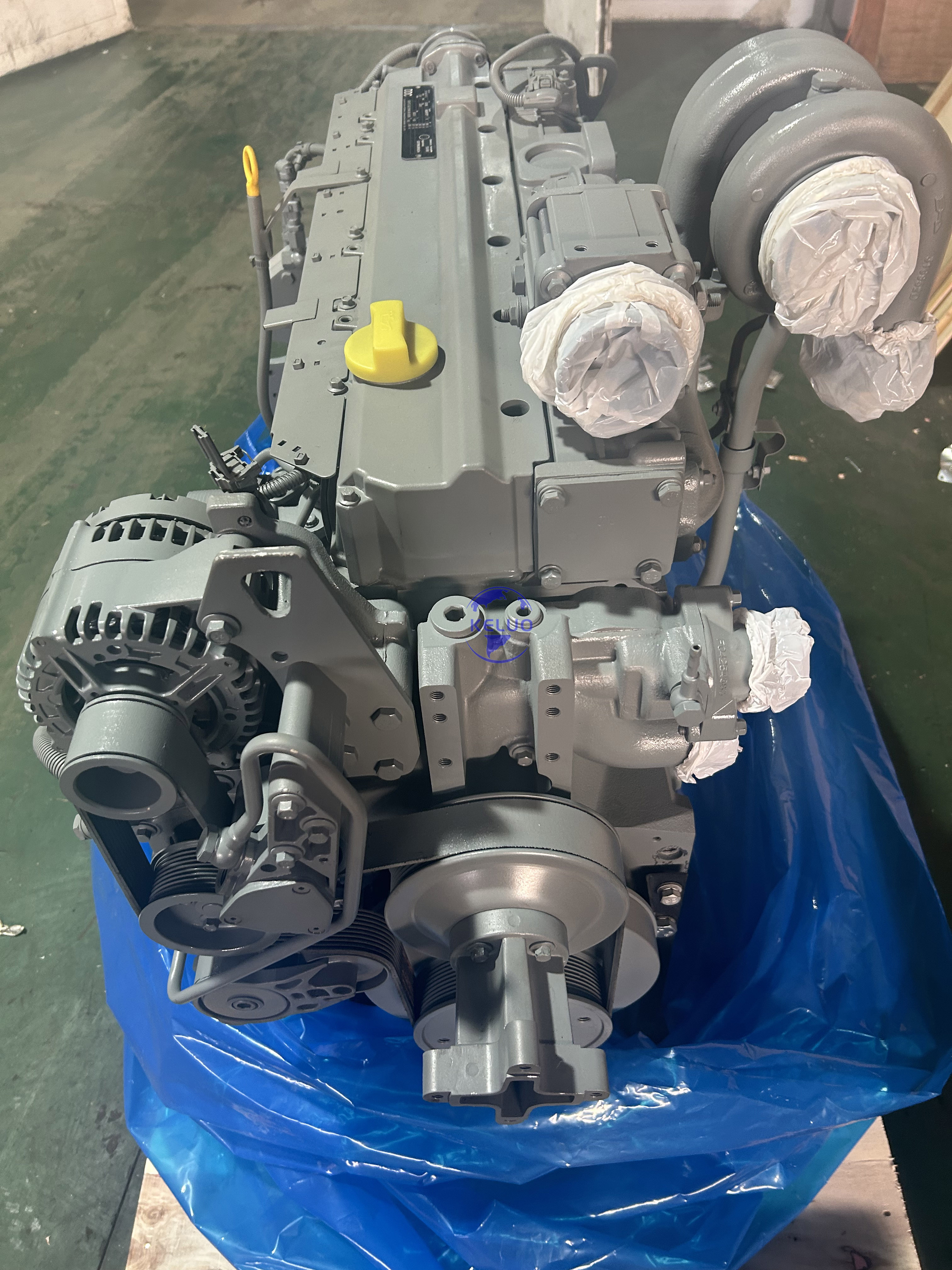
Marine environments present unique challenges for engine cooling systems, particularly when dealing with the corrosive nature of saltwater. A freshwater-cooled marine engine offers a sophisticated solution that protects critical internal components while maintaining optimal operating temperatures. This innovative cooling approach creates a closed-loop system that isolates the engine's primary cooling circuit from direct contact with seawater, significantly extending engine life and reducing maintenance requirements.
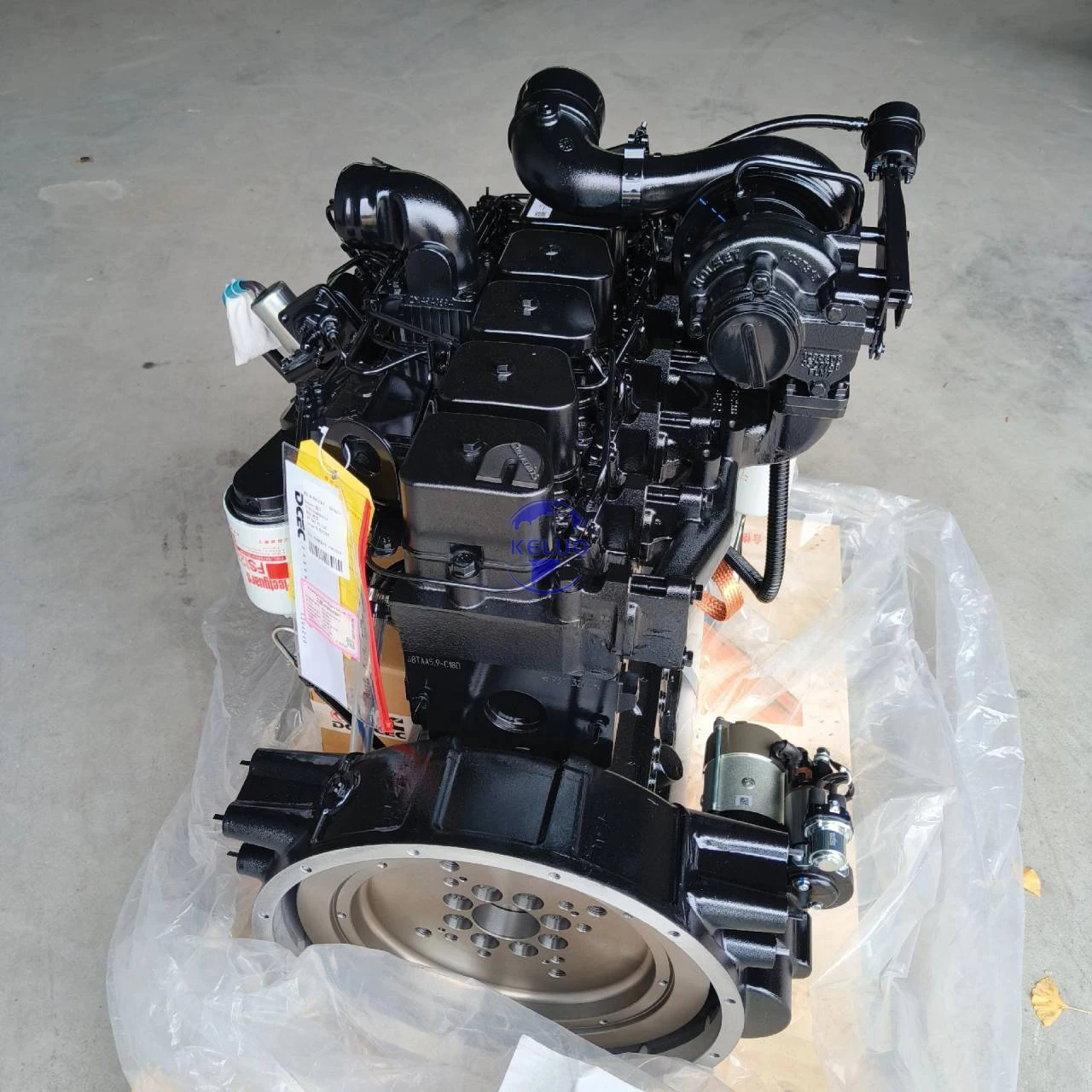
The fundamental principle behind a freshwater-cooled marine engine involves using treated freshwater or coolant mixture within the engine block while employing seawater as the secondary cooling medium. This dual-circuit design prevents direct contact between corrosive saltwater and sensitive engine components, including cylinder walls, valve seats, and cooling passages. Modern marine vessels increasingly rely on this technology to ensure reliable operation in harsh oceanic conditions.
Understanding the mechanics of corrosion resistance becomes crucial when evaluating marine propulsion systems. Traditional raw water cooling systems expose engine internals to continuous saltwater flow, leading to accelerated wear and frequent component replacement. The freshwater-cooled marine engine eliminates this exposure while maintaining efficient heat transfer through carefully engineered heat exchangers and thermostat-controlled circulation systems.
Core Components of Freshwater Cooling Systems
Primary Cooling Circuit Design
The primary cooling circuit in a freshwater-cooled marine engine operates as a sealed system containing treated coolant that circulates through the engine block, cylinder head, and associated components. This circuit maintains consistent coolant chemistry, preventing the formation of scale deposits and corrosive reactions that plague raw water systems. The coolant mixture typically contains antifreeze compounds, corrosion inhibitors, and pH stabilizers specifically formulated for marine applications.
Temperature regulation within the primary circuit relies on precision thermostats that control coolant flow based on engine operating conditions. These thermostats ensure optimal operating temperatures while preventing overcooling during startup phases. The freshwater-cooled marine engine benefits from consistent thermal management that enhances fuel efficiency and reduces emissions compared to traditional cooling methods.
Pressure maintenance systems within the primary circuit prevent coolant boiling at elevated temperatures while accommodating thermal expansion. Expansion tanks and pressure relief valves work together to maintain system integrity during varying operational loads. This controlled environment protects sensitive engine components from thermal stress and extends overall service life significantly.
Heat Exchanger Technology
Heat exchangers serve as the critical interface between the freshwater cooling circuit and seawater in a freshwater-cooled marine engine. These components transfer thermal energy from the primary coolant to seawater while maintaining complete separation between the two fluids. Advanced heat exchanger designs utilize corrosion-resistant materials such as cupro-nickel alloys or titanium to withstand prolonged saltwater exposure.
Tube-and-shell configurations represent the most common heat exchanger design for marine applications. The primary coolant flows through internal tubes while seawater circulates around the exterior surfaces within the shell housing. This arrangement maximizes heat transfer efficiency while minimizing the risk of cross-contamination between cooling circuits.
Regular maintenance of heat exchangers ensures optimal performance throughout the engine's operational life. Periodic cleaning removes marine growth and salt deposits that can impede heat transfer effectiveness. The freshwater-cooled marine engine requires less frequent heat exchanger maintenance compared to systems with direct seawater contact, reducing operational costs and downtime.
Corrosion Prevention Mechanisms
Material Selection and Treatment
Effective corrosion resistance in a freshwater-cooled marine engine begins with careful material selection for all components exposed to the cooling system. Engine blocks and cylinder heads typically utilize cast iron or aluminum alloys with specialized coatings that resist oxidation and galvanic corrosion. These materials undergo surface treatments that create protective barriers against moisture infiltration and chemical attack.
Sacrificial anode systems provide additional protection by creating controlled galvanic reactions that protect more valuable engine components. Zinc or aluminum anodes installed within the cooling system preferentially corrode, preserving the integrity of engine blocks and heat exchanger components. Regular anode replacement maintains effective galvanic protection throughout the engine's service life.
Protective coatings applied to internal cooling passages create additional barriers against corrosion initiation. These specialized paints and sealers resist chemical degradation while maintaining thermal conductivity necessary for effective heat transfer. The freshwater-cooled marine engine benefits significantly from these advanced protective technologies.
Chemical Treatment Programs
Coolant chemistry management plays a vital role in preventing corrosion within freshwater-cooled marine engine systems. Specialized marine coolants contain corrosion inhibitor packages that form protective films on metal surfaces while neutralizing acidic compounds that accelerate degradation. These inhibitors target specific corrosion mechanisms including pitting, crevice corrosion, and stress corrosion cracking.
pH control represents another critical aspect of chemical treatment programs. Marine coolants maintain slightly alkaline conditions that minimize acid-induced corrosion while preventing scale formation from excessive alkalinity. Regular monitoring and adjustment of coolant pH ensures optimal protection levels throughout varying operational conditions.
Biocide treatments prevent microbial growth within the cooling system that can accelerate corrosion through biological processes. Marine environments contain numerous microorganisms that can establish colonies within cooling circuits, producing corrosive metabolic byproducts. Periodic biocide application maintains system cleanliness and prevents biologically induced corrosion in freshwater-cooled marine engine installations.
Operational Advantages and Performance Benefits
Extended Engine Life and Reliability
The implementation of freshwater cooling technology dramatically extends marine engine operational life by eliminating direct saltwater contact with critical components. Engines equipped with freshwater-cooled marine engine systems typically achieve service intervals two to three times longer than raw water-cooled alternatives. This extended life cycle translates to reduced replacement costs and improved return on investment for vessel operators.
Reliability improvements stem from consistent operating conditions maintained by the closed-loop cooling system. Temperature fluctuations become more predictable and manageable, reducing thermal stress on engine components. The freshwater-cooled marine engine experiences fewer unexpected failures related to cooling system blockages or corrosion-induced component degradation.
Maintenance scheduling becomes more predictable with freshwater cooling systems due to reduced variability in component wear rates. Planned maintenance intervals can be extended safely, reducing operational disruptions and maintenance costs. This predictability particularly benefits commercial marine operations where unscheduled downtime directly impacts profitability and operational efficiency.
Improved Fuel Efficiency and Performance
Optimal temperature control achieved by freshwater-cooled marine engine systems enhances fuel combustion efficiency and reduces harmful emissions. Consistent coolant temperatures allow engines to operate within designed thermal parameters more effectively than variable temperature raw water systems. This thermal stability optimizes fuel injection timing and combustion chamber conditions for maximum efficiency.
Power output consistency represents another significant advantage of freshwater cooling technology. Engine performance remains stable across varying seawater temperatures and conditions, unlike raw water systems that experience power fluctuations based on ambient water temperature. The freshwater-cooled marine engine maintains rated power output more consistently throughout diverse operational environments.
Reduced maintenance requirements translate to improved operational availability and lower lifecycle costs. Less frequent cooling system service intervals allow vessels to remain in service longer between maintenance periods. This enhanced availability particularly benefits commercial operations where vessel utilization directly correlates to revenue generation and operational success.
Installation and Maintenance Considerations
System Integration Requirements
Proper installation of a freshwater-cooled marine engine requires careful attention to system integration and component compatibility. Seawater intake systems must provide adequate flow rates to support heat exchanger operation while incorporating appropriate filtration to prevent debris accumulation. Raw water pumps require sizing based on heat rejection requirements and system pressure losses throughout the secondary cooling circuit.
Electrical system integration includes temperature monitoring sensors, alarm systems, and automatic shutdown protection for overheating conditions. These safety systems prevent catastrophic engine damage from cooling system failures while providing operators with real-time performance data. The freshwater-cooled marine engine benefits from sophisticated monitoring systems that enhance operational safety and reliability.
Piping and component layout requires consideration of thermal expansion, vibration isolation, and accessibility for maintenance procedures. Proper support systems prevent stress concentration that could lead to connection failures or component damage. Strategic placement of service points ensures technicians can perform routine maintenance safely and efficiently.
Preventive Maintenance Protocols
Effective maintenance programs for freshwater-cooled marine engine systems focus on coolant condition monitoring, heat exchanger cleaning, and component inspection schedules. Coolant analysis provides early warning of system problems including contamination, additive depletion, and corrosion activity. Regular sampling and testing ensure optimal coolant chemistry throughout the service interval.
Heat exchanger maintenance involves periodic cleaning to remove marine growth and sediment accumulation that impedes heat transfer effectiveness. Chemical cleaning procedures dissolve mineral deposits while mechanical cleaning removes biological fouling. The freshwater-cooled marine engine requires systematic heat exchanger maintenance to preserve cooling system efficiency and prevent overheating conditions.
Component replacement schedules address wear items including thermostats, water pumps, and sacrificial anodes based on manufacturer recommendations and operational experience. Proactive replacement prevents unexpected failures that could result in costly engine damage or operational disruptions. Maintaining detailed maintenance records helps optimize replacement intervals and identify potential system improvements.
Troubleshooting Common Issues
Temperature Control Problems
Temperature regulation issues in freshwater-cooled marine engine systems often stem from thermostat malfunctions, coolant circulation problems, or heat exchanger fouling. Diagnostic procedures begin with temperature monitoring at multiple system points to identify where thermal management breaks down. Systematic troubleshooting isolates the root cause and directs appropriate corrective actions.
Coolant flow restrictions can result from air pockets, clogged passages, or pump impeller damage. Flow testing procedures verify circulation rates throughout the system while pressure testing identifies blockages or leakage points. The freshwater-cooled marine engine requires unobstructed coolant flow to maintain proper temperature control and prevent localized overheating.
Heat exchanger performance degradation typically manifests as gradually increasing engine temperatures despite normal coolant circulation. Cleaning procedures restore heat transfer effectiveness while inspection reveals whether component replacement becomes necessary. Regular performance monitoring helps detect heat exchanger problems before they impact engine operation significantly.
Coolant System Contamination
Contamination sources in freshwater cooling systems include seawater infiltration through heat exchanger leaks, atmospheric moisture, and degraded coolant additives. Contamination detection relies on regular coolant testing for chloride content, pH levels, and additive concentrations. Early detection prevents extensive system damage and costly repairs.
Seawater contamination requires immediate attention due to the corrosive nature of salt solutions within the primary cooling circuit. Leak detection procedures locate heat exchanger failures while system flushing removes contaminated coolant completely. The freshwater-cooled marine engine requires prompt contamination response to prevent permanent damage to internal components.
System restoration following contamination events involves complete coolant replacement, thorough flushing, and component inspection for corrosion damage. Neutralizing treatments may be necessary to remove residual contaminants from system surfaces. Proper restoration procedures ensure long-term system reliability and prevent recurring contamination problems.
FAQ
How often should coolant be changed in a freshwater-cooled marine engine?
Coolant replacement intervals for freshwater-cooled marine engine systems typically range from 2,000 to 4,000 operating hours, depending on coolant type and operating conditions. Extended-life coolants may achieve longer intervals with proper maintenance and monitoring. Regular coolant analysis determines optimal replacement timing based on additive depletion and contamination levels rather than arbitrary time schedules.
What are the signs that a heat exchanger needs cleaning or replacement?
Heat exchanger problems typically manifest as gradually increasing engine operating temperatures, reduced cooling efficiency, or visible corrosion on external surfaces. Internal fouling reduces heat transfer effectiveness while external marine growth impedes seawater flow. Regular temperature monitoring and visual inspection help identify when cleaning becomes necessary to maintain optimal freshwater-cooled marine engine performance.
Can a raw water cooling system be converted to freshwater cooling?
Converting raw water cooling systems to freshwater cooling requires significant modifications including heat exchanger installation, coolant circulation system addition, and control system upgrades. While technically feasible, conversion costs often approach new engine pricing when considering necessary modifications and installation complexity. The freshwater-cooled marine engine provides optimal performance when designed as an integrated system from initial manufacturing.
What maintenance tools are essential for freshwater cooling system service?
Essential maintenance tools include coolant test strips or electronic analyzers, pressure testing equipment, temperature measurement devices, and appropriate flushing equipment. Specialized tools for heat exchanger cleaning and component removal facilitate routine service procedures. Professional marine technicians should maintain comprehensive tool sets specifically designed for freshwater-cooled marine engine maintenance to ensure proper service procedures and system reliability.