
 EN
EN
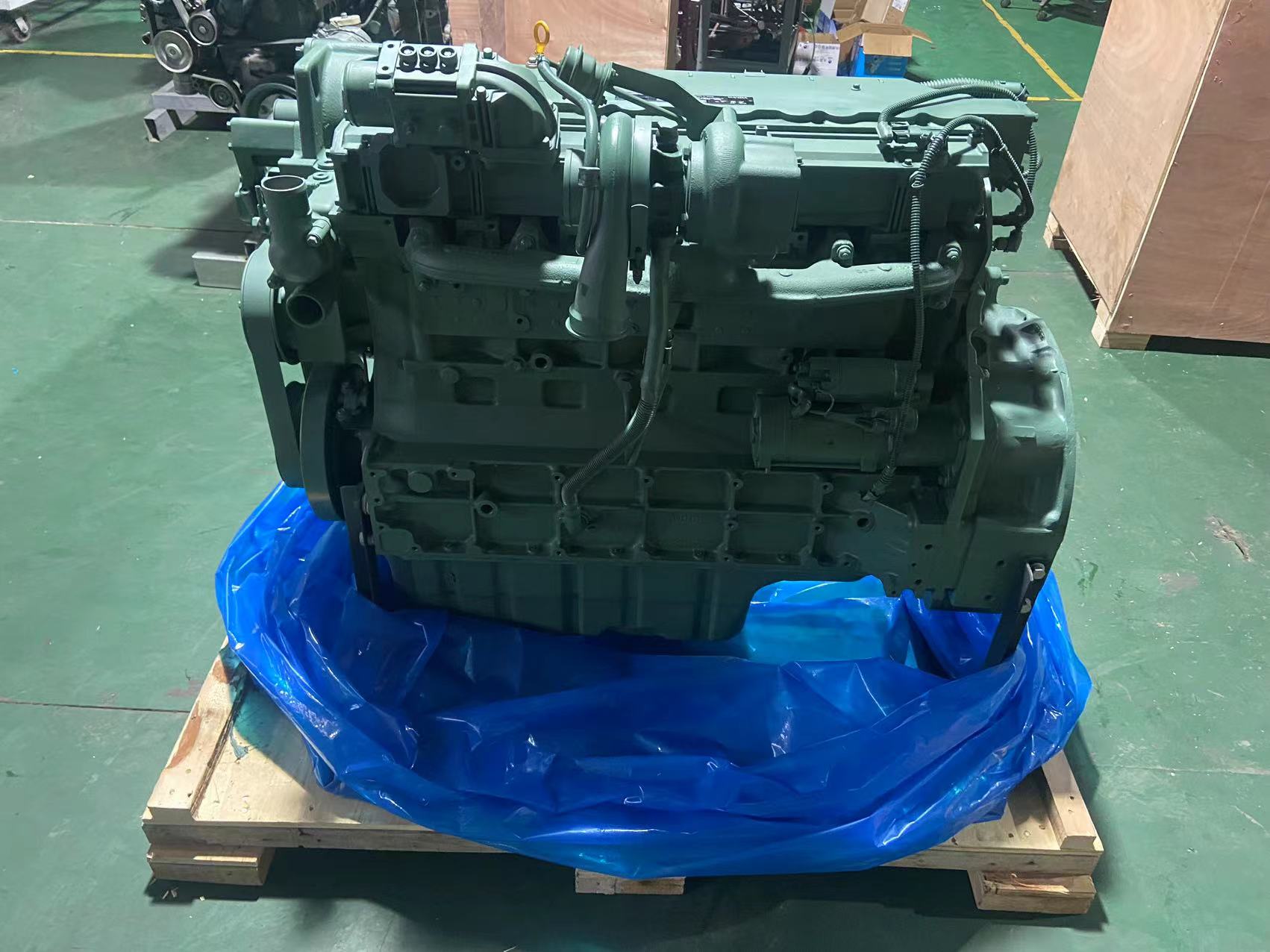
Renkant tinkamą jūrinį variklį savo laivui reikia atidžiai įvertinti daugybę saugos bruožų, kurie gali būti sprendžiamasis veiksnys tarp sėkmingos kelionės ir pavojingos jūrų avarinės situacijos. Patikimas jūrinis variklis yra jūsų valties varomosios sistemos širdis, o supratimas, kuriuos saugos bruožus reikia pirmiausia įvertinti, užtikrina tiek įgulos apsaugą, tiek laivo vientisumą eksploatacijos metu. Šiuolaikinė jūrinių variklių technologija žymiai pažengė į priekį, kad būtų įtraukti pažangūs saugos mechanizmai, kurie išsprendžia dažnai pasitaikančius rizikos veiksnius, susijusius su jūrų varomosiomis sistemomis.
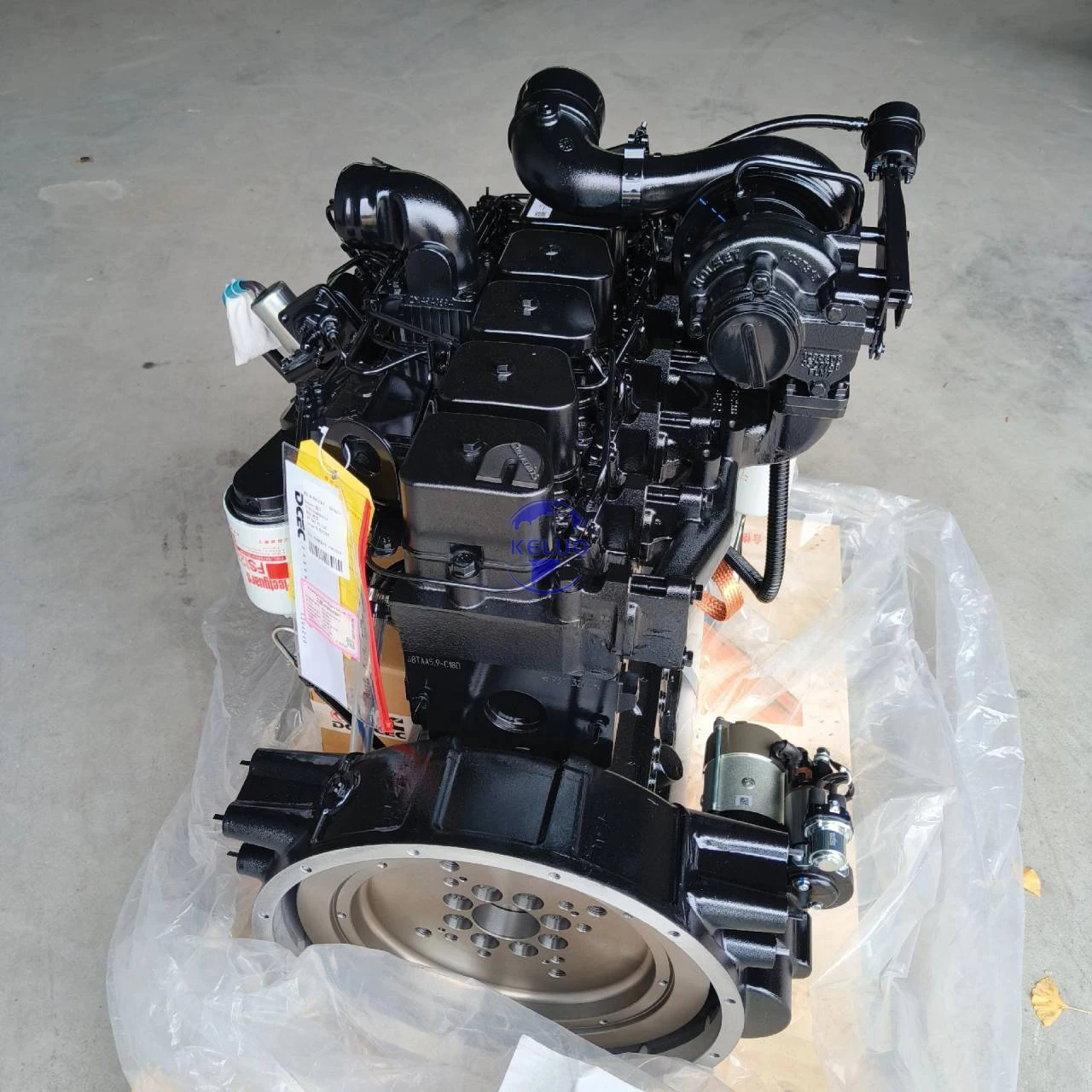
Vertindami potencialius jūrų variklių variantus, laivų savininkai privalo suprasti, kad saugos funkcijos tiesiogiai veikia eksploatacinį patikimumą, techninės priežiūros reikalavimus ir ilgalaikę laivo našumą. Jūrinė aplinka kelia unikalius iššūkius, įskaitant druskos vandens poveikį, temperatūros svyravimus bei būtinybę nuolat tiekti galią potencialiai pavojingomis sąlygomis. Todėl pasirinkimo procese svarbu pirmiausia dėti akcentą į konkrečias saugos funkcijas, kad būtų užtikrintas atsakingas laivų valdymas ir laikomasi jūrų saugos reikalavimų.
Kritinės variklio apsaugos sistemos
Perkarčio apsaugos mechanizmai
Temperatūros reguliavimas yra vienas svarbiausių bet kurios jūrų variklio konfigūracijos saugos aspektų. Veiksmingos perkaitymo apsaugos sistemos nuolat stebi aušinimo skysčio temperatūrą ir automatiškai sumažina variklio galia arba inicijuoja išjungimo procedūras, kai temperatūra viršija leistinus eksploatacijos parametrus. Šiuolaikiniai jūrų variklių dizainai įtraukia kelis temperatūros daviklius visoje aušinimo sistemoje, kad būtų užtikrintas išsamus šiluminis stebėjimas ir būtų užkirstas kelias katastrofiškam variklio pažeidimui dėl perkaitymo sąlygų.
Pažangūs jūrų variklių modeliai turi programuojamas temperatūros ribas, kurios leidžia operatoriams pritaikyti apsaugos parametrus pagal konkrečias eksploatacijos sąlygas ir laivo reikalavimus. Šiuose sistemose paprastai įtraukti vizualiniai ir garso signalai, kurie ankstyvai įspėja apie galimus perkaitymo problemas dar prieš pasiekiant kritines temperatūras. Skaitmeninės rodymo sistemos integracija leidžia tikrojo laiko temperatūros stebėjimą, todėl operatoriai gali imtis prevencinių veiksmų ir užtikrinti optimalų variklio našumą visą kelionės trukmę.
Alyvos slėgio stebėjimas
Alyvos tiekimo sistemos vientisumas tiesiogiai veikia jūrų variklių ilgaamžiškumą ir eksploatacijos saugą, todėl alyvos slėgio stebėjimas yra būtina saugos funkcija laivų operatoriams. Išsamios alyvos slėgio stebėjimo sistemos stebi alyvos slėgį visame variklio bloke ir automatiškai įspėja operatorius, kai slėgis nukrenta žemiau minimalių saugių eksploatacijos ribų. Ši ankstyvo įspėjimo galimybė neleidžia rimtai pažeisti variklio dėl nepakankamos tepimo per kritines eksploatacijos periodus.
Moderni jūrų variklis konfigūracijos apima atsarginius alyvos slėgio daviklius, įrengtus strateginėse vietose visoje tepimo grandinėje, kad būtų užtikrintas išsamus stebėjimas. Šios sistemos dažnai turi programuojamas sustabdymo sekas, kurios apsaugo variklio komponentus, kai alyvos slėgis nukrenta žemiau kritinių ribų, taip užkertant kelią brangiai remontui ir užtikrinant įgulos saugą avarinėmis situacijomis.
Kuro sistemos saugos funkcijos
Kuro užterštumo prevencija
Jūros aplinkos kelia unikalių iššūkių kurui tiekiančios sistemos vientisumui, todėl užterštumo prevencijos sistemos yra būtinos saugos funkcijos patikimam jūros variklių veikimui. Vandens prasiskverbimas, šiukšlių kaupimasis ir kurio susidėjimas gali žymiai pabloginti variklio našumą ir sukurti pavojingas eksploatacijos sąlygas. Pažangios kuro filtravimo sistemos įtraukia kelis filtravimo etapus, skirtus pašalinti teršalus dar prieš tai, kai jie pasiekia kritinius variklio komponentus, užtikrindamos nuolatinę kuro kokybę visą ilgą plaukiojimą.
Aukštos kokybės jūrų variklių įrenginiai turi vandens atskyrimo sistemas, kurios automatiškai aptinka ir pašalina vandenį iš kuro tiekimo, neleisdamos kilti degimo problemoms ir apsaugodamos įpurškinimo sistemos komponentus nuo korozijos žalos. Šios sistemos paprastai apima nuleidimo vožtuvus ir kaupimo kameras, kurios leidžia operatoriams pašalinti susikaupusį vandenį vykdant planines techninės priežiūros procedūras, taip užtikrinant kuro sistemos vientisumą ir neleidžiant netikėtoms variklio gedimams veikimo metu.
Avarinio kuro išjungimo galimybės
Avarinės kuro išjungimo sistemos suteikia esminę saugos apsaugą jūrų variklių užsiliepsnojimų, mechaninių gedimų ar kitų pavojingų situacijų metu, kai reikia nedelsiant nutraukti energijos tiekimą. Šiuolaikiniai jūrų variklių projektavimai įtraukia kelias kuro išjungimo priemones, įskaitant rankines avarines sustabdymo sistemas, automatinio gaisro gesinimo sistemų integravimą ir nuotolinio išjungimo galimybes, prieinamas iš įvairių laivo vietų. Šios sistemos užtikrina, kad operatoriai galėtų greitai nutraukti kuro padavimą, kad būtų užkirstas kelias gaisro plitimui arba papildomai žalai avarinėmis situacijomis.
Papildomos kuro išjungimo sistemos dažnai turi tiek mechaninius, tiek elektroninius aktyvinimo būdus, kad užtikrintų patikimą veikimą net tada, kai pagrindinės elektrinės sistemos yra pažeistos. Avarinio išjungimo valdymo įtaisai paprastai įrengiami strateginėse vietose visame laive, įskaitant variklių skyrių, pilotų kabiną ir išorines denio zonas, kad būtų galima lengvai išjungti sistemą nepriklausomai nuo avarinės situacijos pobūdžio ar operatoriaus vietos kritinėmis aplinkybėmis.
Elektrinės sistemos saugos integracija
Grandinės apsauga ir stebėjimas
Elektros sistemos saugumas yra pagrindinis jūrų variklių veikimo aspektas, nes elektros gedimai gali sukelti gaisro pavojų, pažeisti navigacinę įrangą ir išjungti kritinės svarbos saugos įrangą. Išsamios grandinės apsaugos sistemos apima jūrų klasės pertraukiklius, saugiklius ir stebėjimo įrenginius, kurie skirti elektros perkrovoms užkirsti kelią ir galimiems laidynės gedimams aptikti dar prieš jiems sukeliant pavojingas sąlygas. Šios sistemos turi atlaikyti korozinę jūrinę aplinką, tuo pat metu užtikrindamos patikimą visų elektros komponentų apsaugą.
Pažangios jūrų variklių elektros sistemos turi žemės nuotėkio apsaugos grandines, kurios aptinka elektros nuotėkį ir automatiškai atjungia paveiktas grandines, kad būtų išvengta elektros smūgio pavojų ir elektros gaisrų. Skaitmeninės stebėjimo sistemos pateikia realiuoju laiku elektros sistemos būklės informaciją, įskaitant įtampą, srovės suvartojimą ir grandinių vientisumą visoje jūrų variklio montavimo vietoje, leisdamos atlikti veiksmingą profilaktinę priežiūrą ir neleisdamos elektros sistemos gedimams kritiniais eksploatacijos laikotarpiais.
Akumuliatorių valdymo ir rezervinės sistemos
Patikima elektros energija išlieka būtina jūrų variklių veikimui, navigacinėms sistemoms ir saugos įrangai, todėl akumuliatorių valdymo sistemos yra esminės saugos funkcijos laivų operatoriams. Šiuolaikinės akumuliatorių valdymo sistemos stebi įkrovos lygį, temperatūrą ir bendrą akumuliatorių būklę, taip pat užtikrina automatinę įkrovos reguliaciją, kad būtų išvengta perįkrovimo pažeidimų ir padėtų pratęsti akumuliatorių tarnavimo trukmę. Šios sistemos dažnai apima kelis akumuliatorių bankus su automatinio perjungimo galimybėmis, kad būtų užtikrinta nuolatinė maitinimo prieinamumas ilgose reisų trukmėse.
Avarinės rezervinės energijos tiekimo sistemos užtikrina esminę saugos atsarginę funkciją svarbioms jūrų variklių sistemoms, įskaitant kuro įpurškimą, uždegimą ir stebėjimo įrangą, kai sugenda pagrindinė elektros sistema. Šios rezervinės sistemos dažniausiai apima nepriklausomas akumuliatorių baterijas, įkrovimo sistemas ir automatinio perjungimo jungiklius, kurie aktyvuojami, kai sugenda pagrindiniai energijos šaltiniai, užtikrindamos kritinių saugos sistemų nuolatinį veikimą ir neleisdamos susidaryti pavojingoms situacijoms avarinėmis sąlygomis.
Išmetamųjų dujų kontrolė ir aplinkos sauga
Išmetimo sistemos projektavimas
Tinkamas išmetamosios sistemos projektavimas turi dvigubą paskirtį – aplinkos apsaugą ir įgulos saugą, veiksmingai tvarkydami degimo produktus ir neleisdami pavojingų dujų kaupimuisi užimtuose laivo plotuose. Šiuolaikinėse jūrų variklių išmetamosios sistemose naudojami sudėtingi maršrutų nustatymo ir ventiliacijos sprendimai, kurie nukreipia išmetamąsias dujas nuo įgulos darbo zonų, tuo pat metu užtikrindami optimalų variklio veikimą ir atitikimą reglamentams. Šios sistemos turi atlaikyti jūrų aplinkos sąlygas ir užtikrinti patikimą išmetamųjų dujų valdymą visą variklio eksploatacijos laikotarpį.
Pažangūs išmetimo sistemų valdymo sistemos įrenginiai apima temperatūros stebėseną ir karščiui atsparius apsaugos elementus, kad būtų užkirstas kelias atsitiktinėms nudegimų rizikai dėl aukštos temperatūros išmetimo komponentų ir sumažinta gaisro rizika. Teisingas išmetimo sistemos montavimas apima strateginį išmetimo angų išdėstymą, pakankamą vėdinimą ir apsauginius barjerus, kad būtų užtikrinta įgulos sauga, tuo pat metu užtikrinant efektyvų išmetamųjų dujų pašalinimą iš variklių skyriaus ir aplinkinių laivo sričių.
Anglies monoksido aptikimas
Anglies monoksidas yra viena rimčiausių saugos grėsmių, susijusių su jūrų variklių veikimu, nes šis be spalvos ir bekvapis dujų mišinys gali kauptis uždarose laivo patalpose ir kurti gyvybei pavojingas sąlygas įgulos nariams. Išsamios anglies monoksido aptikimo sistemos apima kelis jutiklius, įrengtus visame laive, kurie stebi dujų koncentraciją ir ankstyvai įspėja apie pavojingą kaupimąsi. Šios sistemos paprastai apima tiek vaizdinius, tiek garso signalus, kurie įspėja laivo keleivius apie galimą anglies monoksido poveikį dar prieš pasiekiant pavojingas koncentracijos ribas.
Šiuolaikinėse jūrų variklių įrengimo sistemose dažnai integruojamos anglies monoksido aptikimo sistemos su automatiniais vėdinimo valdymo įtaisais, kurie padidina oro cirkuliaciją, kai aptinkamos padidėjusios dujų koncentracijos. Šios integruotos saugos sistemos taip pat gali sąveikauti su variklių valdymo sistemomis, kad pakeistų veikimo parametrus arba inicijuotų išjungimo procedūras, kai anglies monoksido lygiai viršija saugius ribos rodiklius, užtikrindamos visapusišką laivo keleivių apsaugą visomis eksploatacinėmis sąlygomis.
Techninio aptarnavimo ir apžiūros saugos funkcijos
Pasiekiamas Aptarnavimas Taškai
Saugūs techninės priežiūros veiksmai reikalauja jūrų variklių konstrukcijų, kurios užtikrina pakankamą prieigą prie svarbiausių techninės priežiūros taškų, tuo pačiu mažindamos pavojingų komponentų veikimo riziką įprastinės techninės priežiūros metu. Gerai suprojektuotose jūrų variklių montavimo sistemose techninės priežiūros prieigos taškai yra strategiškai išdėstyti taip, kad technikai galėtų atlikti būtinus techninės priežiūros darbus, nepažeisdami savo asmeninės saugos ar nepatenkdami į pavojingas mechanines ar elektrines rizikos zonas. Šios konstrukcinės sąlygos apima pakankamą laisvą erdvę aplink judančius komponentus, apsaugotas elektros jungtis ir aiškiai pažymėtus techninės priežiūros taškus.
Šiuolaikinėse jūrų variklių konfigūracijose naudojami nuimami skydeliai, šarnyriniai dangčiai ir pratęsti techninės priežiūros intervalai, kad būtų sumažinta techninės priežiūros dažnuma ir pagerinta prieiga prie saugių reikiamų techninės priežiūros procedūrų. Saugos orientuoti jūrų variklių projektavimai taip pat apima integruotus pakėlimo taškus didžiųjų komponentų nuėmimui, užtikrintas įrankių saugojimo vietas ir aiškią techninės priežiūros dokumentaciją, kuri vedama technikus per saugias techninės priežiūros procedūras, tuo pačiu mažinant rizikos veiksnių poveikį vykdant techninę priežiūrą.
Diagnostikos ir stebėjimo sistemos
Išsamios diagnostikos galimybės leidžia ankstyvai aptikti potencialius saugumo problemas dar prieš tai, kai jos virstų pavojingomis sąlygomis, todėl pažangūs stebėjimo sistemos yra būtinos saugos funkcijos jūrų variklių taikymuose. Šiuolaikinės diagnostikos sistemos nuolat stebi kelis variklio parametrus, įskaitant temperatūrą, slėgį, virpesius ir našumo rodiklius, o taip pat per skaitmeninius ekranų sąsajos langus pateikia išsamią klaidų kodų informaciją ir techninės priežiūros rekomendacijas. Šios sistemos leidžia planuoti veiksmingą techninę priežiūrą ir neleidžia netikėtoms gedimo situacijoms, kurios gali padaryti žalą laivo saugumui.
Integruotos diagnostikos sistemos dažnai turi nuotolinio stebėjimo galimybes, kurios leidžia kranto pagalbos komandoms įvertinti jūrų variklių būklę ir teikti techninę pagalbą kelionės metu. Šios sistemos gali perduoti svarbius variklio duomenis, įskaitant veiklos parametrus, gedimo būsenas ir techninės priežiūros reikalavimus, naudodamos palydovines ar mobiliąsias ryšio sistemas, todėl galima laiku teikti techninę pagalbą ir planuoti profilaktinę priežiūrą, kas padeda padidinti bendrą laivo saugumą ir eksploatacinį patikimumą.
DUK
Kokios yra svarbiausios saugos funkcijos, į kurias reikėtų atkreipti dėmesį renkantis jūrų variklį?
Svarbiausios saugos funkcijos apima perkaistamumo apsaugos sistemas su automatinio išjungimo galimybėmis, alyvos slėgio stebėjimą su žemo slėgio signaliniais įspėjimais, išsamų kuro sistemos užterštumo prevenciją, avarinio kuro išjungimo valdymą, elektros grandinių apsaugą su žemės nuotėkio aptikimu bei anglies monoksido stebėjimo sistemas. Šios funkcijos veikia kartu, kad būtų užkirstas kelias katastrofiškoms variklio gedimams, apsaugoti įgulos narius nuo pavojingų sąlygų ir užtikrinti patikimą veikimą avarinėmis situacijomis, kai variklio našumas tampa esminis laivo ir įgulos saugai.
Kaip jūrų variklių saugos sistemos skiriasi nuo automobilių variklių saugos funkcijų
Jūrų variklių saugos sistemos turi spręsti unikalius iššūkius, įskaitant druskos vandens koroziją, ribotą prieigą prie techninės priežiūros kelionės metu, ilgalaikį veikimą be galimybės sustabdyti ir kritinę reikmę užtikrinti patikimumą skubios evakuacijos situacijose. Skirtingai nuo automobilių taikymo sričių, jūrų varikliai reikalauja gerintos sandarinimo apsaugos nuo drėgmės prasiskverbimo, dubliuotų saugos sistemų ilgalaikiams jūrinėms operacijoms, specializuoto išmetamųjų dujų maršruto planavimo, kad būtų išvengta dujų kaupimosi uždarose patalpose, bei tvaresnės elektros įrangos apsaugos nuo jūrų aplinkos sąlygų.
Kokie techninės priežiūros veiksmai yra būtini jūrų variklių saugos sistemų patikimumui užtikrinti?
Būtini techninės priežiūros veiksmai apima visų signalizacijos ir išjungimo sistemų reguliarų tikrinimą, temperatūros ir slėgio daviklių patikrinimą ir valymą, avarinio kuro išjungimo veikimo patvirtinimą, anglies monoksido aptikimo sistemų bandymus, elektros jungčių patikrinimą dėl korozijos ar pažeidimų bei visų saugos sistemų bandymų rezultatų dokumentavimą. Šiuos veiksmus reikia atlikti pagal gamintojo rekomendacijas ir teisės aktų reikalavimus, ypač dėmesio kreipiant į sistemas, kurios užtikrina automatinę apsaugą nekontroliuojamo veikimo laikotarpiu.
Kaip laivų savininkai gali užtikrinti, kad jų jūrų variklių saugos sistemos atitiktų jūrų transporto taisykles
Laivų savininkai turėtų vesti išsamią visų saugos sistemų techninės priežiūros dokumentaciją, reguliariai planuoti patikrinimus kvalifikuotų jūrų technikų, stebėti galiojančius jūrų saugos reikalavimus ir standartus, užtikrinti, kad visos saugos sistemų modifikacijos atitiktų taikomus kodeksus, taip pat dalyvauti reguliariose saugos mokymo programose, kad suprastų tinkamą sistemų veikimą ir avarines procedūras. Dirbant su sertifikuotais jūrų variklių prekių tiekėjais ir aptarnavimo teikėjais užtikrinama nuolatinė atitiktis reikalavimams bei optimalus saugos sistemų našumas visą variklio eksploatacijos laikotarpį.
Turinys
- Kritinės variklio apsaugos sistemos
- Kuro sistemos saugos funkcijos
- Elektrinės sistemos saugos integracija
- Išmetamųjų dujų kontrolė ir aplinkos sauga
- Techninio aptarnavimo ir apžiūros saugos funkcijos
-
DUK
- Kokios yra svarbiausios saugos funkcijos, į kurias reikėtų atkreipti dėmesį renkantis jūrų variklį?
- Kaip jūrų variklių saugos sistemos skiriasi nuo automobilių variklių saugos funkcijų
- Kokie techninės priežiūros veiksmai yra būtini jūrų variklių saugos sistemų patikimumui užtikrinti?
- Kaip laivų savininkai gali užtikrinti, kad jų jūrų variklių saugos sistemos atitiktų jūrų transporto taisykles