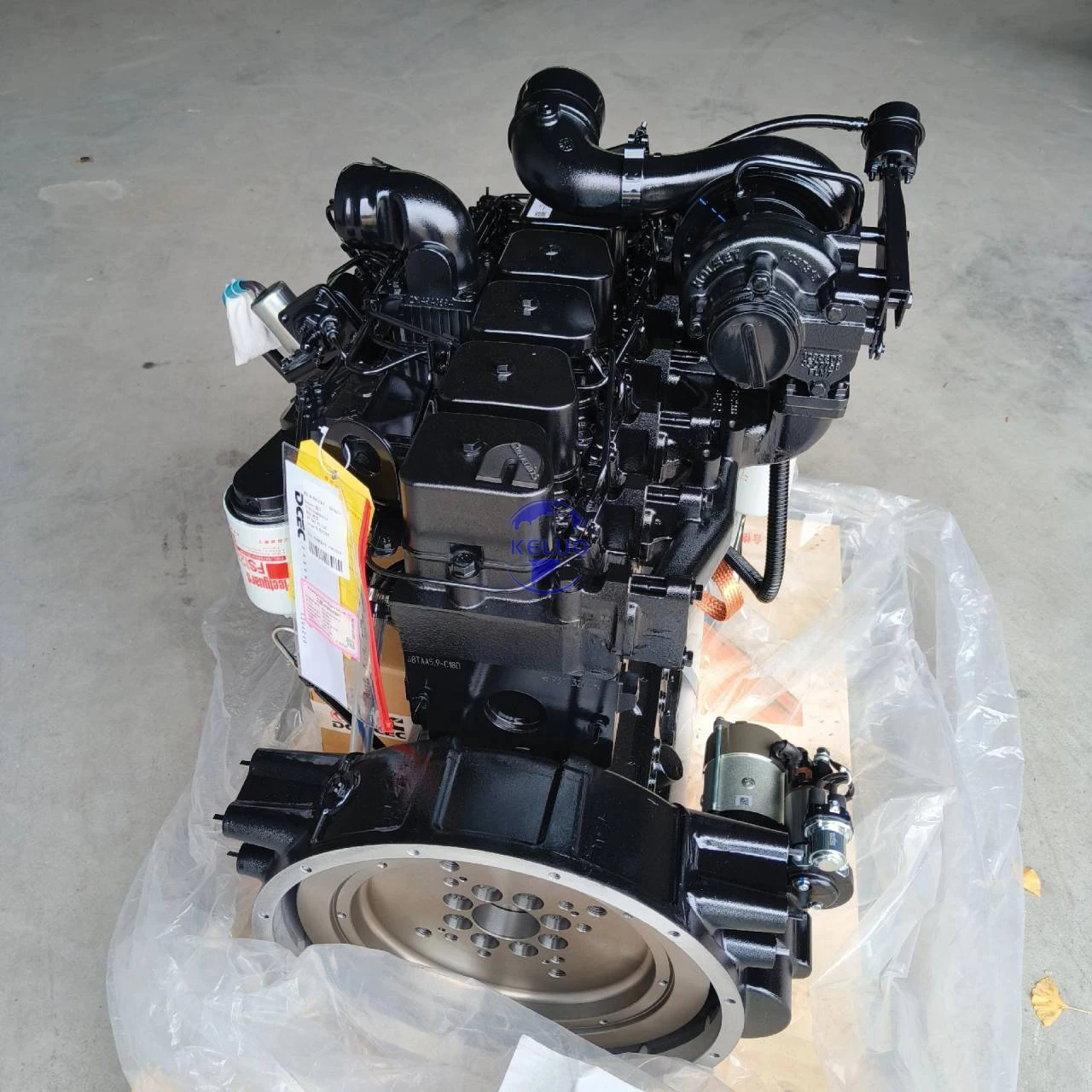
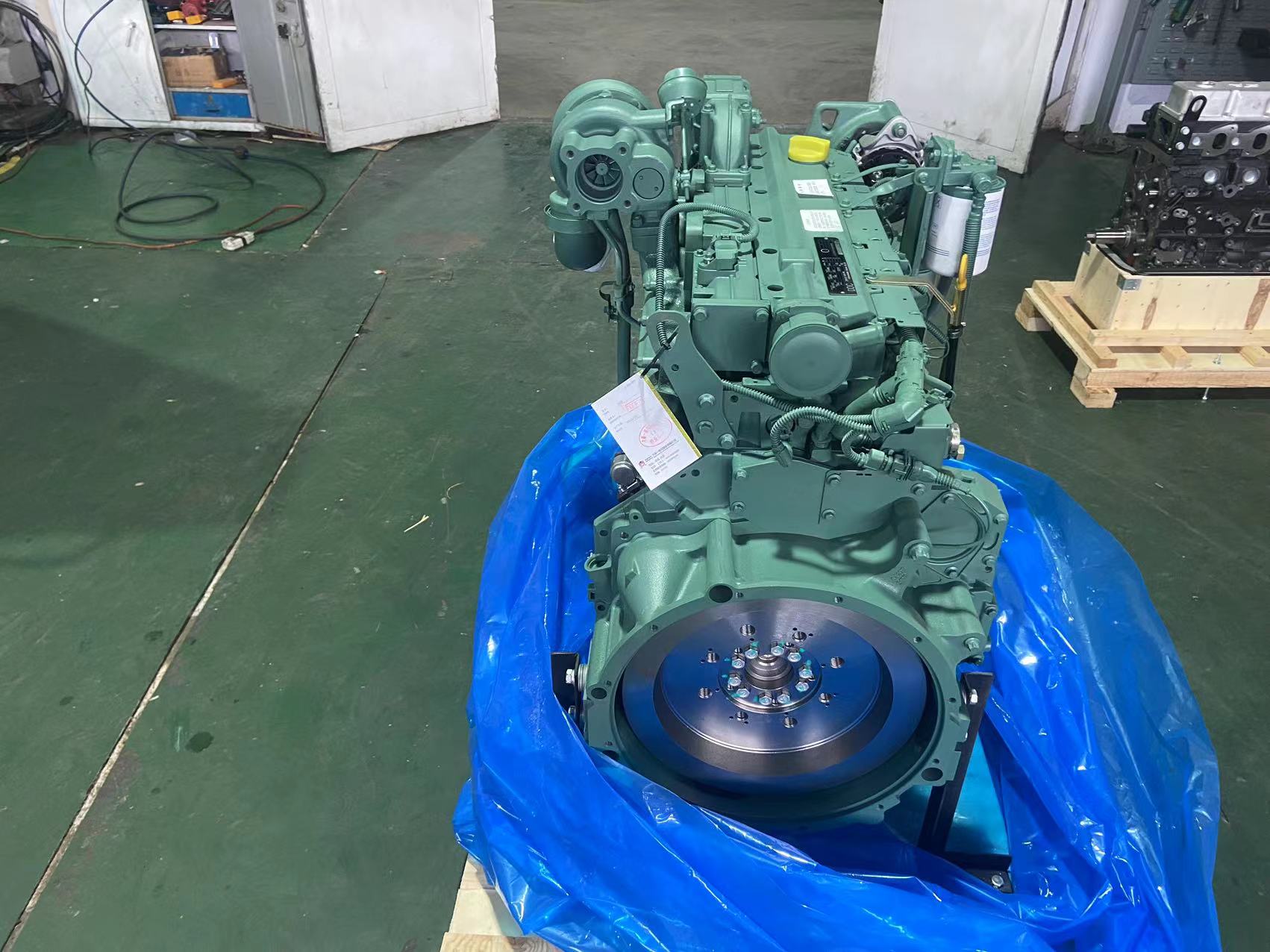
Long-distance marine operations demand exceptional fuel efficiency and reliable performance from vessel propulsion systems. Modern marine engines have revolutionized maritime transportation through advanced direct fuel injection technology that significantly improves fuel economy during extended voyages. The evolution from traditional carburetor systems to sophisticated direct injection has transformed how commercial vessels, recreational boats, and maritime fleets approach fuel consumption challenges.

Direct fuel injection technology represents a paradigm shift in marine propulsion engineering. Unlike conventional fuel delivery systems that mix fuel and air before entering the combustion chamber, direct injection systems precisely deliver fuel directly into each cylinder at optimal timing and pressure. This technological advancement enables marine engines to achieve unprecedented levels of efficiency while maintaining the durability required for maritime applications.
The maritime industry increasingly relies on fuel-efficient propulsion solutions as operating costs continue to rise and environmental regulations become more stringent. Modern marine engines equipped with direct injection technology offer vessel operators substantial advantages in fuel consumption, emissions control, and overall operational efficiency during long-distance cruising scenarios.
Understanding Direct Fuel Injection Technology in Marine Applications
Precision Fuel Delivery Systems
Direct fuel injection systems in marine engines utilize high-pressure fuel rails and electronically controlled injectors to deliver precise amounts of fuel directly into each combustion chamber. This precise control allows marine engines to optimize the fuel-air mixture for various operating conditions, from idle speeds in harbors to full throttle during open water navigation. The electronic control unit continuously monitors engine parameters such as RPM, load, temperature, and throttle position to calculate the optimal fuel injection timing and duration.
The injection pressure in modern marine engines typically ranges from 1,500 to 2,500 bar, enabling fine fuel atomization that promotes complete combustion. This high-pressure delivery system ensures that fuel particles are uniformly distributed throughout the combustion chamber, resulting in more efficient energy conversion and reduced fuel waste. Advanced marine engines incorporate multiple injection events per combustion cycle, including pilot injection for smoother ignition and post-injection for emissions control.
Electronic Engine Management Integration
Contemporary marine engines feature sophisticated engine management systems that coordinate fuel injection with other critical engine functions. These integrated systems monitor real-time operating conditions and adjust fuel delivery parameters accordingly, ensuring optimal performance across varying sea conditions and vessel loads. The electronic control unit processes data from numerous sensors to maintain ideal air-fuel ratios while compensating for factors such as altitude changes, ambient temperature variations, and fuel quality differences.
Marine engine management systems also incorporate adaptive learning capabilities that optimize fuel injection strategies based on operational history and usage patterns. This intelligent adaptation allows marine engines to continuously improve efficiency over time, particularly during long cruises where consistent operating patterns emerge. The integration of GPS data and voyage planning information enables predictive fuel management that anticipates changing power requirements throughout extended maritime journeys.
Fuel Efficiency Advantages During Extended Voyages
Optimized Combustion Characteristics
The superior combustion characteristics achieved through direct injection technology translate into substantial fuel savings during long-distance marine operations. Marine engines equipped with this technology demonstrate fuel consumption reductions of 15-25% compared to conventional indirect injection systems. The precise fuel metering capability ensures that each combustion event receives exactly the required amount of fuel, eliminating the waste associated with overly rich or lean fuel mixtures.
Direct injection marine engines achieve more complete fuel combustion through improved fuel-air mixing and optimized flame propagation patterns. The stratified charge combustion process enables these engines to operate efficiently across a wide range of power outputs, which is particularly beneficial during long cruises where power demands fluctuate based on sea conditions, weather patterns, and navigation requirements. This combustion efficiency directly translates to extended range capabilities and reduced fuel costs for commercial and recreational vessel operators.
Load-Responsive Performance Optimization
Long-distance maritime operations involve varying load conditions as vessels encounter different sea states, wind patterns, and cargo configurations. Modern marine engines with direct injection technology excel in these dynamic environments through their ability to instantly adjust fuel delivery based on real-time power demands. The rapid response capability of electronic fuel injection systems enables marine engines to maintain optimal efficiency whether operating at cruise speeds in calm waters or powering through challenging weather conditions.
The load-responsive characteristics of direct injection marine engines prove particularly valuable during extended voyages where fuel efficiency directly impacts operational range and cost-effectiveness. These engines automatically optimize fuel consumption for partial load conditions, which are common during long cruises when vessels operate at economical speeds to maximize range. The ability to maintain high combustion efficiency at reduced power outputs represents a significant advantage over traditional marine propulsion systems.
Environmental Benefits and Emissions Control
Reduced Harmful Emissions Output
Environmental regulations increasingly influence marine engine design and operation, making emissions control a critical consideration for modern maritime operations. Direct injection marine engines produce significantly lower emissions of nitrogen oxides, particulate matter, and unburned hydrocarbons compared to conventional fuel delivery systems. The precise fuel metering and optimized combustion timing achievable through direct injection technology enable marine engines to meet stringent international maritime emissions standards while maintaining superior performance.
The environmental advantages of direct injection marine engines extend beyond regulatory compliance to encompass broader sustainability objectives. Reduced fuel consumption directly correlates with lower carbon dioxide emissions, contributing to the maritime industry's efforts to minimize its environmental footprint. Advanced marine engines incorporate exhaust gas recirculation and selective catalytic reduction systems that work synergistically with direct injection technology to achieve unprecedented levels of emissions control.
Sustainable Maritime Operations
The sustainability benefits of modern marine engines with direct injection technology align with global initiatives to reduce maritime transportation's environmental impact. These advanced propulsion systems enable vessel operators to achieve operational objectives while minimizing fuel consumption and emissions output. The improved efficiency characteristics of direct injection marine engines support longer operational ranges with reduced environmental impact, making them ideal for eco-conscious maritime operations.
Sustainable marine operations increasingly depend on propulsion technologies that balance performance requirements with environmental responsibility. Direct injection marine engines provide the technological foundation for sustainable maritime transportation by delivering the power and reliability required for commercial operations while significantly reducing the environmental footprint associated with fuel consumption and emissions generation.
Maintenance and Reliability Considerations
Enhanced Component Durability
The reliability requirements for marine engines operating in harsh maritime environments demand robust construction and proven durability characteristics. Modern marine engines with direct injection technology incorporate advanced materials and manufacturing techniques that enhance component longevity while maintaining precise fuel delivery capabilities. The elimination of carburetor systems and associated mechanical fuel metering components reduces maintenance requirements and improves overall system reliability.
Direct injection marine engines feature fewer moving parts in the fuel delivery system compared to traditional mechanical injection pumps, resulting in reduced wear and extended service intervals. The electronic control systems monitoring fuel injection parameters provide early detection of potential issues, enabling predictive maintenance strategies that minimize unexpected downtime during critical maritime operations. This enhanced reliability proves particularly valuable during long-distance voyages where maintenance opportunities may be limited.
Service Interval Optimization
The maintenance advantages of direct injection marine engines include extended service intervals and simplified maintenance procedures. The precise fuel metering capability reduces engine deposits and contamination, extending the effective life of engine oil and filtration systems. Marine engines equipped with direct injection technology typically demonstrate longer intervals between major maintenance events, reducing operational costs and improving vessel availability for revenue-generating activities.
Advanced diagnostic capabilities integrated into modern marine engines provide real-time monitoring of critical engine parameters and fuel system performance. These diagnostic systems enable condition-based maintenance strategies that optimize maintenance timing based on actual engine condition rather than arbitrary time or hour intervals. The result is improved maintenance efficiency and reduced lifecycle costs for marine engine operations.
Economic Impact on Maritime Operations
Fuel Cost Reduction Strategies
The economic benefits of direct injection marine engines extend beyond simple fuel savings to encompass comprehensive operational cost reductions. Vessel operators report fuel cost savings of 20-30% when upgrading to modern marine engines with direct injection technology, particularly during long-distance operations where fuel efficiency gains compound over extended operational periods. These savings directly improve the economic viability of maritime transportation and recreational boating activities.
Fuel cost reductions achieved through direct injection marine engines become increasingly significant as fuel prices fluctuate and environmental regulations drive demand for cleaner-burning propulsion systems. The improved fuel efficiency enables vessel operators to extend operational ranges without proportional increases in fuel costs, opening new operational opportunities and improving competitive positioning in the maritime transportation market.
Return on Investment Analysis
The investment in modern marine engines with direct injection technology generates measurable returns through reduced fuel consumption, lower maintenance costs, and improved operational flexibility. Commercial vessel operators typically recover the additional investment cost within 2-3 years of operation, depending on usage patterns and fuel prices. The economic benefits become more pronounced during long-distance operations where fuel efficiency improvements have the greatest impact on operational costs.
Long-term economic analysis of direct injection marine engines reveals substantial lifecycle cost advantages compared to conventional propulsion systems. The combination of fuel savings, reduced maintenance requirements, and enhanced reliability contributes to lower total cost of ownership for marine vessels. These economic advantages make direct injection marine engines an attractive investment for commercial operators and recreational boaters seeking to optimize operational economics.
FAQ
How much fuel can direct injection marine engines save during long cruises
Direct injection marine engines typically achieve fuel savings of 15-25% compared to conventional carburetor or indirect injection systems during long-distance cruising. The exact savings depend on factors such as vessel size, operating conditions, and cruise duration. Extended voyages at steady cruise speeds provide optimal conditions for maximizing these fuel efficiency gains, with some operators reporting savings exceeding 30% under ideal conditions.
What maintenance advantages do direct injection marine engines offer
Modern marine engines with direct injection technology require less frequent maintenance due to cleaner combustion and reduced engine deposits. The elimination of mechanical fuel injection components reduces wear points and extends service intervals. Electronic diagnostic systems provide early warning of potential issues, enabling predictive maintenance that minimizes unexpected downtime and reduces overall maintenance costs throughout the engine's operational life.
Are direct injection marine engines suitable for all types of vessels
Direct injection marine engines are available in various configurations suitable for different vessel types, from small recreational boats to large commercial ships. The technology scales effectively across different power ranges and applications, though the economic benefits are most pronounced in vessels that operate for extended periods or cover long distances. Consultation with marine engine specialists helps determine the optimal configuration for specific vessel requirements and operating profiles.
How do environmental regulations affect marine engine selection
Increasingly stringent environmental regulations favor marine engines with advanced emissions control capabilities, making direct injection technology essential for regulatory compliance. These engines meet current and anticipated future emissions standards while delivering superior fuel efficiency. Vessel operators investing in direct injection marine engines position themselves advantageously for evolving environmental regulations while achieving immediate operational benefits through improved fuel economy and reduced environmental impact.